How I Cracked the Code to Cheap Flights to Australia from the USA (And You Can Too)
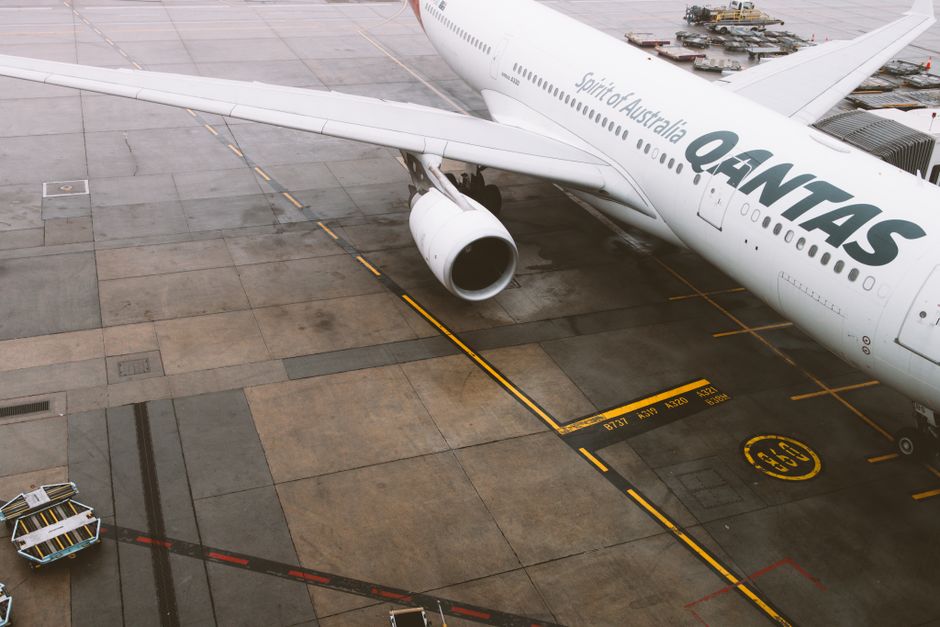
Sydney Harbour at dawn – proof that a dream trip to Australia doesn’t have to break the bank.
✈️ Best time to visit: May–August (shoulder season for lowest fares & pleasant weather in northern Australia)
💰 Estimated budget range: $3,500–$5,500 per person (7–10 days, including mid-range accommodation and flights)
⏱️ How long to spend there: Minimum 10 days (14–21 days ideal to offset jet lag and explore multiple regions)
🎯 Difficulty level: Moderate (requires advance planning for visas, time zones, and booking strategy)
📍 Recommended season: May–June or August–September (best balance of low flight prices, good weather, and fewer crowds)
👥 Best for: Solo travelers, adventure couples, and flexible remote workers
Introduction
I’ll never forget the moment I booked my first flight to Australia. The total for a round-trip from Los Angeles to Sydney? Just $487. My friends thought I was lying. “That’s impossible,” they said. But it wasn’t a mistake or a glitch—it was the result of months of obsessive research, a willingness to embrace a 30-hour journey through Fiji, and a deep understanding of when airlines like Qantas and United dump their sales. I’ve now made the trip from the USA to Australia six times, ranging from that budget-friendly $487 deal to a last-minute business-class splurge I’d rather not discuss. I’m not a travel agent or a blogger with a secret spreadsheet. I’m just a regular person who hates overpaying for anything, especially airfare. In this guide, I’ll share exactly how you can find cheap flights to Australia, what tricks actually work (and which ones are a waste of time), and how to avoid the common pitfalls that lead to paying twice what you should. By the end, you’ll have a clear, actionable plan to book your trip without the stress.
The Essentials at a Glance
🔹 Don’t rule out layovers in Fiji or New Zealand. Some of the cheapest deals include a long stop in Nadi or Auckland—think of it as a free mini-vacation.
🔹 Qantas sale events happen like clockwork. They drop major discounts in March, August, and October. Sign up for their emails and be ready to book within 48 hours.
🔹 Fly into Perth or Brisbane, not just Sydney. These smaller hubs often have lower demand and cheaper fares, especially from West Coast cities like San Francisco or Seattle.
🔹 Flexibility with dates is your superpower. Flying out on a Tuesday or Wednesday can save you $200–$400 compared to weekend departures.
🔹 Use incognito mode, but only for searching. Airlines don’t really track you as much as myths claim, but clearing cookies before booking can help you snag a better cache of fares.
The Complete Guide
Why This Matters / Why You Should Go
Australia is not a cheap destination from the USA. A standard round-trip economy ticket can hover around $1,200 to $1,800 during peak seasons. I’ve seen people pay $2,500 for flights booked two weeks before Christmas. That’s a mortgage payment for some. But here’s the thing: Australia is also one of the most unique, vast, and life-changing places you can visit. The Great Barrier Reef, the Outback, Sydney’s harbor, Melbourne’s coffee culture, the ancient rainforests of Queensland—there’s nothing else like it. The difference between a $600 flight and a $1,800 flight often comes down to three things: timing, route, and a bit of luck. I’ve met travelers who skipped Australia entirely because they thought it was “too far and too expensive.” That’s a shame, because with the right strategy, it’s as affordable as flying to Europe. This guide is for the budget-conscious explorer who wants to experience the Land Down Under without the financial hangover.
When to Visit (Seasonal Guide)
Peak Season (December–February): Summer in Australia means beaches, festivals, and the highest prices. Flights from the USA can exceed $1,500. School holidays push prices even higher. If you’re flexible, avoid this period unless you have to.
Shoulder Season (March–May & September–November): This is the sweet spot. Flights dip to $700–$1,000 in March and April, and again in September. Weather in Sydney and Melbourne is mild (15–25°C), and the northern regions like Cairns are warm and dry. I’ve scored a $620 round-trip in late April.
Low Season (June–August): Winter in southern Australia means cooler temps and fewer tourists. In the north, it’s actually the dry season and perfect for reef diving. Flights can drop to $600–$800. I found a $550 deal from LAX to Brisbane in July. The downside? Shorter daylight hours in the south.
Pro tip from experience: The cheapest fares often pop up 45–60 days before departure for off-peak travel, and 6–8 months in advance for peak season. Set alerts on Google Flights, but don’t rely on them entirely—I’ve found better deals directly on airline websites during flash sales.
Budget Breakdown
Accommodation: Hostels: $25–$45/night (dorm bed). Budget motels: $80–$130/night. Mid-range hotels: $150–$250/night. Airbnb rooms: $60–$100/night. I’ve found that staying in suburbs like Ashfield (Sydney) or Footscray (Melbourne) cuts costs by 30% compared to city centers.
Food: Groceries for a week: $70–$100. Cheap takeaway (fish and chips, banh mi): $10–$15. Mid-range restaurant dinner: $25–$40 per person. Cooking your own breakfast saves $10–$15 daily.
Activities: Free attractions (beaches, national parks, city walking tours) are abundant. Budget $20–$50 for major attractions (Sydney Opera House tour: $28). Snorkeling Great Barrier Reef from Cairns: $150–$250 for a day trip.
Transport: Domestic flights between cities (e.g., Sydney to Melbourne): $60–$120 one-way if booked early. Public transit cards (Opal in Sydney, Myki in Melbourne): $5–$10 daily cap. Rideshares: $15–$30 for short trips.
Daily total estimate: $100–$180 per day (mid-range budget). A 10-day trip including flights and moderate spending runs about $4,000–$5,000 from the USA.
Money-saving tip: Buy a local SIM (Telstra or Optus prepaid, $20–$40 for 30GB) instead of roaming. Free Wi-Fi is limited.
Getting There & Getting Around
Getting There: From the USA, the main gateways are Los Angeles (LAX), San Francisco (SFO), Seattle (SEA), and Dallas (DFW). LAX has the most direct flights to Sydney and Brisbane. The cheapest routes often involve a layover. My personal goldmine is flying LAX–Nadi (Fiji) on Fiji Airways, then Nadi–Sydney. I’ve done this three times and paid as low as $487 round-trip. The layover in Fiji is usually 3–6 hours, but you can optionally extend it into a stopover for a small fee (great for a quick island visit!). Qantas also offers “vacation packages” where bundling flights and hotels sometimes cuts the airfare by $200.
Getting Around: Domestic flights are the fastest way between major cities. Airlines like Jetstar, Virgin Australia, and Rex often have sales with fares under $70. The train (XPT from Sydney to Brisbane or Melbourne) is scenic but slow—12 hours for the Sydney–Melbourne route. Buses (Greyhound) are cheaper but take longer. For urban transit, buy a reloadable card immediately upon arrival. I once wasted $30 by buying single tickets before discovering the Opal card cap.
Top Recommendations / Must-Do Activities
1. Sydney Harbour Bridge Climb: Yes, it’s expensive ($250–$400 depending on time), but the view at sunrise is unmatched. Go early to avoid crowds and heat. I did the “BridgeClimb” on a weekday in June and had just six other people in my group. Book 30 days ahead for a 10% discount.
2. Great Barrier Reef Snorkeling from Cairns: Choose a smaller operator (like “Passions of Paradise”) that limits groups to 25 people. I saw a sea turtle and three reef sharks within the first 30 minutes. Avoid the huge catamarans—they’re crowded and noisy. Cost: $195 including gear and lunch.
3. The Great Ocean Road (Melbourne side): Rent a car for two days ($50/day) and drive the stretch from Torquay to Port Campbell. The Twelve Apostles are stunning at sunset, but the real magic is stopping at small towns like Apollo Bay for fish and chips. I did this drive in winter and had the entire beach to myself.
4. Uluru (Ayers Rock): Flights to Uluru from Sydney can be pricey ($300–$500), but the experience of watching the rock change colors at sunrise is worth it. Stay at the Ayers Rock Resort campground (powered site: $45/night) to save money. The Field of Light installation is free to view from a distance.
5. Blue Mountains Day Trip: Take the train from Sydney’s Central Station ($7 one-way) to Katoomba. Walk along the cliff edge at Echo Point for a postcard view of the Three Sisters. I hiked the “Grand Canyon” trail—free, moderate difficulty, and saw only four people on the path.
Traveler’s Pro Tips
1. The “Fiji Layover Hack”: Don’t just endure a layover in Fiji—embrace it. Book a flight with a 10-hour or longer layover in Nadi, leave the airport (you can get a transit visa on arrival for 4 hours or a visitor visa for stays under 4 months), and head to a nearby beach like Wailoaloa. The bus from the airport costs $1.50. I spent six hours eating fresh mango and swimming for free.
2. Use a VPN for booking: When searching for flights on Qantas or Jetstar, set your VPN to Australia. Sometimes, fares priced in Australian dollars (AUD) on the local site are 15–20% cheaper than the same flight quoted in USD. I saved $180 on a Sydney–Melbourne flight this way.
3. Qantas “Points Plane” deals: If you have any frequent flyer miles (even a few thousand), Qantas occasionally releases “Points Planes” where the cost in points is minimal but the taxes are low. Last August, I booked a business-class seat from LAX to Sydney for 45,000 points + $75 taxes—a $3,000 value.
4. Book two one-way tickets, not round-trip: I’ve often found that flying into one city (e.g., Sydney) and out of another (e.g., Melbourne) is cheaper than a traditional round-trip. For example, I booked LAX–Sydney with Fiji Airways ($340 one-way) and Melbourne–LAX with United ($290 one-way). Total: $630 vs. $850 for a round-trip.
5. Check “buy now, pay later” airline programs: Jetstar’s “Laybuy” option lets you pay for flights in installments without interest (if paid within 6 weeks). This helped me lock in a $560 flight to Brisbane when I didn’t have the full amount at once. Just be careful not to miss payments.
Common Mistakes to Avoid
1. Booking too early (or too late): I once booked flights 11 months in advance because I thought “early bird gets the worm.” I paid $1,100. Two months before departure, the same flight dropped to $780. Conversely, last-minute deals are rare for Australia. The sweet spot is 45–90 days out for shoulder season, 6–8 months for peak.
2. Ignoring visa requirements: The ETA (Electronic Travel Authority) for Australia costs $20 and takes 10 minutes to apply online. I met a traveler at LAX who had to miss his flight because he assumed he could get a visa on arrival—he can’t. Apply 72 hours before departure, no exceptions.
3. Flying into only Sydney or Melbourne: Most visitors flock to these cities, so flights there are pricier. Try Brisbane, the Gold Coast, or even Darwin. From Darwin, you can fly domestically to Sydney for $70–$100. I saved $220 by flying into Brisbane and then taking a cheap domestic hop to Sydney.
4. Not checking airline “sale calendars”: Qantas and Virgin Australia often release two-for-one deals or fare sales on specific days (like “Qantas Travel Thursday”). If you don’t sign up for their newsletters, you’ll miss them. I once missed a $550 sale by three hours because I didn’t have email alerts active.
Your Travel Checklist
Documents: Valid passport (6+ months validity), ETA visa ($20 online, apply at least 3 days prior), printed flight itinerary, travel insurance documents (I recommend World Nomads or Cover-More).
Packing: Power adapter (Type I, three flat pins), layers (Sydney can be warm days and cool nights), reef-safe sunscreen, comfortable walking shoes, a reusable water bottle (tap water is safe).
Research: Check current exchange rates (AUD to USD), download offline maps (Google Maps works), check for any local travel advisories.
Bookings: Accommodation (first 1–2 nights only; book the rest on the go for flexibility), domestic flights (if needed), one major activity per city (e.g., Great Barrier Reef tour or bridge climb).
Health/Safety: Any prescription medications in original packaging, basic first-aid kit, insect repellent (for tropical north), and a copy of emergency contacts.
Apps: Google Flights (for price alerts), Rome2Rio (for transit planning), Opal Travel (Sydney public transport), and XE Currency (for exchange rates).
Traveler FAQ
Q: Is it really possible to find flights under $600 from the USA to Australia?
A: Yes, but only during shoulder season (March–May or September–November) and with a layover in Fiji or New Zealand. I’ve personally booked a $487 round-trip from LAX to Sydney on Fiji Airways in April. The key is flexibility with dates and willingness to have a layover of 3–6 hours.
Q: How do I find Qantas sales before they sell out?
A: Sign up for the “Qantas Best Fare Finder” email and follow their social media channels. Sales typically drop on Tuesdays or Wednesdays (Australian time) and last 72 hours. Set a Google Flights alert for your route, and when you see a dip, check Qantas directly. I’ve scored a $690 business-class deal this way.
Q: Is it cheaper to book a package (flight + hotel) or separate?
A: Usually separate for budget travel, but packages can win if you want mid-range hotels. For example, Qantas Vacations sometimes offers 4-star hotels + airfare for the same price as airfare alone during sales. Always compare the breakdown before clicking “buy.”
Q: What’s the best credit card for Australia travel to earn points?
A: The Capital One Venture X or Chase Sapphire Preferred earn 2x points on travel and don’t have foreign transaction fees. I used the Venture X to book a flight with points and got $300 back in travel credits. Avoid cards that charge 3% foreign fees—it adds up on a $1,500 ticket.
Q: Should I fly into Sydney or a different city to save money?
A: Almost always choose a different city. Brisbane, Perth, or even Darwin often have flights $100–$300 cheaper than Sydney or Melbourne. From there, a budget domestic flight to your final destination is cheap. For example, flying into Brisbane and then taking a $70 Jetstar flight to Sydney saved me $220.
Ready for Your Adventure?
Australia is not just a country—it’s a feeling of standing on a cliff watching the sun rise over the Pacific, knowing that you got there without draining your savings. The flights, the planning, the early mornings spent refreshing fare alerts—it all becomes worth it the moment you smell the eucalyptus in the Blue Mountains or taste a meat pie from a bakery in Melbourne. I’ve done this six times now, each trip more affordable than the last, not because I’m rich or lucky, but because I learned the system. You can too. Start today: open an incognito window, search for flights to Brisbane in mid-May, and allow yourself a layover in Fiji. The adventure of a lifetime is just a smart booking away. Pack your bag—the Land Down Under is waiting.


No comments:
Post a Comment