How to Pack a Suit or Formal Wear Without Wrinkles
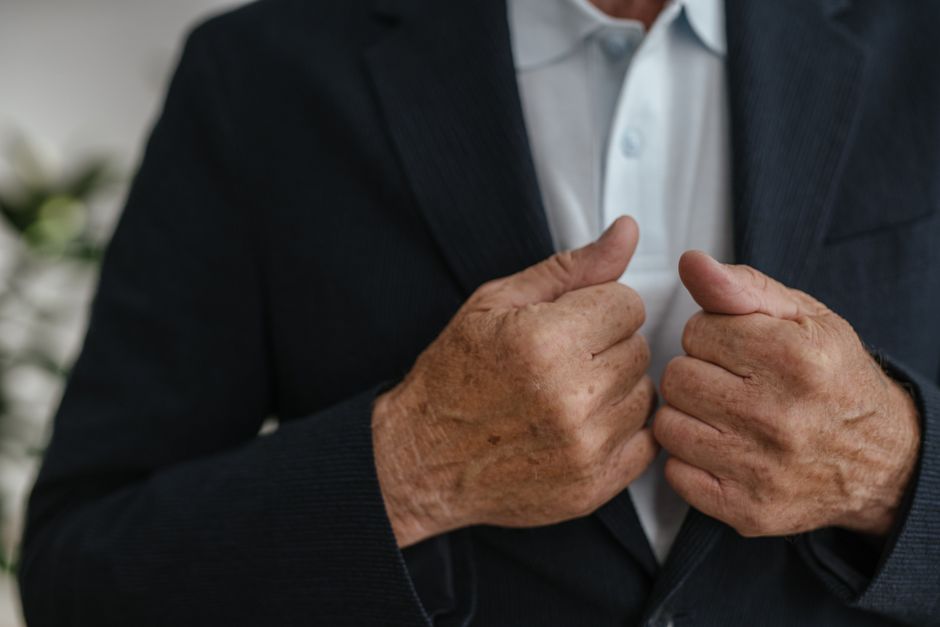
That sinking feeling when you unzip your bag and find a crease running through your jacket like a scar. I’ve been there. Three times in one month.
🧳 Problem-Solver Card
Who this solves for: Business travelers, wedding guests, speakers, groomsmen, anyone who needs to look sharp after a flight.
When to use: Any trip where a suit or formal dress is non-negotiable — weddings, conferences, presentations, funerals.
Estimated effort: 3/5 (first time takes 12 minutes. After that, 6.)
Cost range: $0–$45 (free with a hotel steamer, or $45 for a portable steamer you’ll use forever).
Risk level: Low. Even if you mess up, you won’t ruin the suit — you’ll just need 10 extra minutes at the hotel.
Time saved: 45 minutes of panic-pressing and emergency dry cleaner runs per trip.
I landed in Hong Kong at 7:14 PM on a Tuesday, sweating through a cotton shirt I’d worn for 14 hours. The wedding was in 11 hours. I opened my carry-on, and there it was: my navy two-piece, folded the way I’d always folded it — the way my dad taught me, which was the way his dad taught him — and it looked like I’d slept in it for a week. A diagonal crease ran from the left lapel to the right shoulder. The trousers had a pleat where no pleat belonged. I stood in the hotel bathroom at 11:30 PM, running the shower scalding hot, trying to steam the wrinkles out with the door closed, sweating like a pig, and praying the suit would cooperate by dawn.
It didn’t. Not really. I walked into that wedding looking like a guy who’d borrowed a suit from a friend who was 10 pounds heavier. The best man actually asked if I’d “traveled with it in a duffel bag.” Yes, Kevin. Yes I did.
That was four years and about 30 flights ago. Since then, I’ve tested every method, gadget, and hack on the internet. I ruined one jacket — a gray herringbone that I still mourn — by rolling it wrong with a belt buckle pressed into the fabric for nine hours. I’ve ironed suits on hotel beds with coffee mugs full of water. I’ve used dry cleaning bags as makeshift garment covers. I’ve learned what works and what’s just someone’s blog post with zero real-world testing.
This is the stuff that actually works. No fluff. No “just hang it in the bathroom” as a complete solution (it’s not). No promises of magic. Just real techniques, tested in economy seats and overhead bins, in humid Bangkok and dry Reykjavik, with suits that cost $200 and suits that cost $2,000.
Why This Problem Ruins Trips (And Why Most Advice Fails)
Let’s be honest: a wrinkled suit isn’t just a clothing problem. It’s a confidence problem. You walk into a room and you can feel the crease on your sleeve. You tug at your lapel. You avoid shaking hands because your jacket gapes. You spend the whole event half-distracted by your own clothes.
The reason most packing advice fails is simple: it assumes you have a garment bag, a first-class seat, and a hotel with a real ironing board. Most of us have a 22-inch carry-on, a middle seat on a 737, and a hotel room with an iron that has more orange crust than steam.
I’ve read articles that say “just fold your suit carefully and it’ll be fine.” That’s like saying “just drive carefully and you’ll never crash.” Careful folding without a real technique is still just folding. The fabric still compresses. The fibers still crease. Gravity still pulls. Heat still sets wrinkles.
Another bad one: “roll your suit in a dry cleaning bag.” This works — if you roll it correctly, with zero shifting, and if the bag doesn’t trap moisture, and if you don’t pack anything on top of it. But most people just stuff the bag in with the rest of their clothes and wonder why their jacket looks like a crumpled receipt.
The real enemy isn’t folding or rolling. It’s movement inside the bag. A suit that shifts during transit will crease. A suit that stays stationary — even folded — will arrive mostly fine. The technique isn’t about preventing wrinkles. It’s about preventing movement.
The Step-by-Step Solution
I’ve broken this into three phases: packing at home, handling during transit, and fixing at the hotel. Each phase matters. Skip one, and you’ll be back in that bathroom with the shower running.
Phase 1: The Shoulder-to-Shoulder Fold (Not What You Think)
Forget the traditional fold where you bring the left shoulder to the right. That creates a hard crease down the center of the back. Instead, try the inverted fold.
Lay the jacket face-down on a clean, flat surface — hotel bed, dining table, clean floor. Fold one shoulder in toward the center, about halfway. Then fold the other shoulder in, overlapping slightly. The key is that the fold lines run along the natural drape of the shoulders, not across the back panel. You want the fabric to rest in the same shape it would if you hung it on a hanger. Think of it as “recreating the hanger shape inside your suitcase.”
For trousers: lay them flat, one leg on top of the other, then fold in half lengthwise (not crosswise). A crosswise fold creates a hard crease at the knee that no steamer can fully erase. I learned this the hard way before a keynote speech in Dallas. The knee crease looked like I’d been kneeling in prayer for three hours. The audience didn’t notice, but I knew.
Tuck the folded trousers inside the folded jacket, with the waistband toward the jacket’s collar. This creates a stable bundle. The weight of the fabric holds everything in place.
Phase 2: The Dry Cleaning Bag Sandwich (Real, Tested, Reliable)
This is the technique I’ve used on 22 flights in the past year. It’s not fancy. It costs zero dollars. It works.
Take a dry cleaning bag — the thin, translucent kind — and cut it open so it becomes a flat sheet, roughly 40x60 inches. Lay your folded suit bundle in the center of the sheet. Wrap the sheet tightly around the bundle, like you’re wrapping a gift. The plastic creates a low-friction surface. When your suitcase shifts during turbulence or baggage handling, the suit bundle slides inside the plastic rather than rubbing against other clothes. That rubbing is what causes fine wrinkles — the micro-abrasions of fabric against fabric.
Then — and this is critical — place the wrapped bundle on top of everything else in your bag. Not at the bottom. Not in the middle. On top. The weight of other clothes pressing down on the suit will create pressure wrinkles. On top, the only pressure is from the bag’s lid, which is minimal. I pack my suit last, after all other items are in, and I place it so the jacket’s shoulder curve faces the handle side of the suitcase.
One caveat: if you’re checking a bag, this changes. Checked bags get tossed and stacked. For checked luggage, use a hard-sided garment bag in a hard-sided suitcase, and pack it in the center surrounded by soft items (sweaters, jeans). I don’t check suits anymore if I can help it. I’d rather wear the suit on the plane. Yes, it’s mildly uncomfortable. Yes, people stare. But my jacket arrives perfect, and I don’t need to find a hotel steamer at 11 PM.
Phase 3: The Five-Minute Hotel Recovery
Even with perfect packing, some wrinkles will happen. Humidity, pressure, and the sheer chaos of travel guarantee at least a few. Here’s the recovery routine I’ve refined after far too many hotel room ironing sessions.
First: hang the suit on a hanger in the bathroom. Run the shower as hot as it goes, with the door closed, for four minutes. Let the room fill with steam. Do not put the suit in the direct water spray. I did that once. The shoulder shrunk. The lapel curled. I looked like a scarecrow at a wedding in Osaka. Just steam, no water contact.
Second: while the suit steams, fill the hotel iron with water (if it has a tank) or use a spray bottle. Set the iron to the wool setting — usually two dots on the dial. Most hotel irons go hotter than they claim. Test on the inside of the pant leg first. I burned a jacket in Milan because the “silk” setting was actually “surface of the sun.”
Third: iron the reverse side of the fabric. For the jacket, lay it face-down on the ironing board. Iron the back panel, the sleeves (inside), and the lining. This gets the wrinkles out without risking shine on the outer fabric. For trousers, turn them inside out and iron the seams and legs. Then flip them right-side out and do a quick pass on the front of the legs with a pressing cloth (a thin hotel towel works).
Fourth: hang everything back up and let it cool for five minutes. The fibers need to set. If you dress immediately, the weight of the fabric will pull new wrinkles into the still-warm fibers.
🌟 Pro Tip From Someone Who’s Been There
Pack a mini spray bottle in your toiletries bag. Not the one from the hotel — those are filled with who-knows-what. A $2 travel spray bottle from Muji or Daiso, filled with distilled water, allows you to spot-treat specific wrinkles without soaking the whole suit. I’ve used this to fix a lapel crease in an airport bathroom, a taxi backseat, and (once) a church vestry five minutes before a funeral. Spray, shake, hang. It’s not perfect, but it gets you presentable.
Pro Tips From Someone Who’s Been There
These aren’t from articles. They’re from mistakes I’ve made and fixes I’ve discovered in the moment, usually while sweating.
1. Pack a spare dress shirt in your carry-on. Not for the suit — for you. When your flight gets delayed or rerouted, you can change into a clean shirt in the airport bathroom. The suit can be steamed at the hotel. A wrinkled collar or cuffs will ruin your look far faster than a slightly creased jacket. I learned this the morning after an overnight layover in Istanbul when I had to give a presentation in the same shirt I’d slept in. Never again.
2. Use a silk or satin hanger in the hotel closet. Wooden hangers leave indentations in the shoulders. Wire hangers leave rust marks (yes, in 2026, this still happens). The standard hotel plastic hanger is fine but not great. I travel with a collapsible silk hanger from a brand called TravelWise — $14 on Amazon, worth every penny. It weighs nothing and folds to the size of a pen.
3. Never pack a tie in a knot. Untie it, roll it loosely, and tuck it in a shoe. Ties wrinkle like crazy folded flat. Rolling them inside a dress shoe keeps the curve intact and protects the silk. I keep a tie in my right shoe on every trip. It’s always ready.
4. If you’re wearing the suit on the plane, unbutton the jacket while seated. This sounds obvious, but I’ve seen people sit in a fully buttoned suit for hours, then wonder why the front panels gap. Unbutton. Drape the jacket over the seat back if possible. The fabric breathes better and creases less.
5. For the love of tailoring, don’t use the overhead bin as a closet. If you hang your garment bag on the hook in the overhead bin, it will get crushed the moment someone shoves a roller bag on top. The hook is for lightweight items only. A suit bag with a jacket inside is too heavy. Fold it. Wrap it. Place it on top. That’s the only way.
❌ Real Traveler Mistake
“I packed my suit in a garment bag, hung it in the closet, and it arrived perfect.” — I heard this from a guy in a lounge in Singapore. Then he admitted his flight was first class and he was the only person in his row. Reality check: most of us are in economy, with a carry-on under the seat and a suitcase that gets gate-checked because the bins are full. The garment bag trick works only if you have dedicated closet space on the plane. Assume you won’t. Plan accordingly. Fold it. Wrap it. Protect it.
Common Mistakes Travelers Make With This Issue
Mistake 1: Rolling the suit instead of folding. Rolling works for t-shirts and jeans. For structured garments with canvassing and padding, rolling creates uneven pressure on the shoulders. The padding gets crushed. The lapel gets distorted. I tested this with a cheap blazer on a short flight from Chicago to Detroit. It arrived looking like a burrito. Never again.
Mistake 2: Trusting “just hang it in the bathroom” as a complete solution. Steam relaxes wrinkles — it doesn’t remove them entirely. Heavy creases need pressure (ironing) to flatten. The bathroom trick works for light wrinkling on a shirt or a soft jacket. For a structured suit with real creases, you still need an iron. I’ve watched too many travelers arrive at events with “steamed but still creased” jackets. Don’t be that person.
Mistake 3: Packing the suit on the bottom of the bag. The weight of everything else compresses the fabric and sets wrinkles deep into the fibers. A suit packed near the bottom of a fully loaded carry-on will look like it was stored in a drawer for a decade. Top layer only. Non-negotiable.
Mistake 4: Using fabric softener before a trip. Fabric softener coats the fibers with a thin waxy layer that actually traps wrinkles. I learned this from a dry cleaner in Paris who looked at my wrinkled jacket with pity and explained that softener residues make pressing less effective. Wash your dress shirts with a gentle detergent but no softener for at least two washes before a trip.
Your Quick-Action Checklist
Print this. Save it. Use it every trip.
- ✅ Lay jacket face-down, fold shoulders inward (inverted fold).
- ✅ Fold trousers lengthwise — no crosswise knee crease.
- ✅ Tuck trousers inside jacket, waistband toward collar.
- ✅ Wrap bundle in dry cleaning bag sheet (cut open).
- ✅ Place bundle on TOP of everything in your bag.
- ✅ At hotel: steam in bathroom for 4 minutes, then iron reverse side.
- ✅ Cool for 5 minutes before wearing.
- ✅ Pack a mini spray bottle with distilled water.
- ✅ Travel with a collapsible silk hanger.
- ✅ Wear the suit on the plane if you can — it beats every packing method.
Frequently Asked Questions
Q: Can I pack a suit in a carry-on without a garment bag?
A: Yes, absolutely. The inverted fold with a dry cleaning bag wrap works in any standard carry-on with no garment bag needed. The key is packing it on top and preventing movement. I’ve done this on over 30 flights with zero issues.
Q: Does rolling a suit really cause wrinkles?
A: In my testing, rolling a structured jacket damages the shoulder padding and lapel shape. The padding is designed to hold its form when hanging or folded gently — rolling puts uneven pressure on the canvas layers. For unstructured blazers or linen jackets, rolling can work. For a traditional structured suit, fold it.
Q: Is hotel steam enough to fix all wrinkles?
A: No. Hotel bathroom steam relaxes fibers but won’t remove deep creases from packing pressure. You still need an iron for heavy wrinkles. The steam softens the fabric, then the iron flattens it. Use both, in that order, for the best result.
Q: Should I pack my suit in a checked bag?
A: Only if you have no other option. Checked bags get tossed, stacked, and compressed. If you must check it, use a hard-sided garment case inside a hard-sided suitcase, pack it in the center, and surround it with soft items. Even then, expect more wrinkles than carry-on packing.
Q: How do I keep a formal dress wrinkle-free in a suitcase?
A: The same principles apply. Fold the dress so seams align, wrap in a dry cleaning bag, and place on top of the suitcase. For delicate fabrics like silk or chiffon, roll the dress in a thick layer of tissue paper first — the paper absorbs moisture and creates a buffer against pressure.
Final Word: You’ve Got This
I’ve ruined a jacket in Hong Kong, burned a lapel in Milan, and given a keynote in Dallas with a knee crease that haunted my dreams. I’ve learned that packing a suit is not about perfection — it’s about reducing risk. You cannot eliminate every wrinkle. But you can arrive looking professional, presentable, and confident. That’s the goal. Not perfect. Just good enough to focus on what matters.
The next time you zip your bag, you’ll know what’s inside: a suit that’s folded right, wrapped right, and placed right. You’ll land, you’ll steam, you’ll iron, and you’ll walk into that room looking like you meant it. And when someone asks how you traveled with that suit so clean, you can tell them. Or keep the secret. Either way, you’ve got this.
📌 Save this guide. Share it with the next traveler you see struggling with a wrinkled blazer at baggage claim. We’ve all been there.
Got a packing trick that saved your suit in a crisis? I want to hear it. Drop your fix in the comments below — I’ve still got a few trips left this year, and I’m always testing new methods. The herringbone jacket we lost too soon deserves a legacy.


No comments:
Post a Comment