How to Survive a Long-Haul Flight
A travel journalist's honest, hard-won guide to not losing your mind at 38,000 feet.
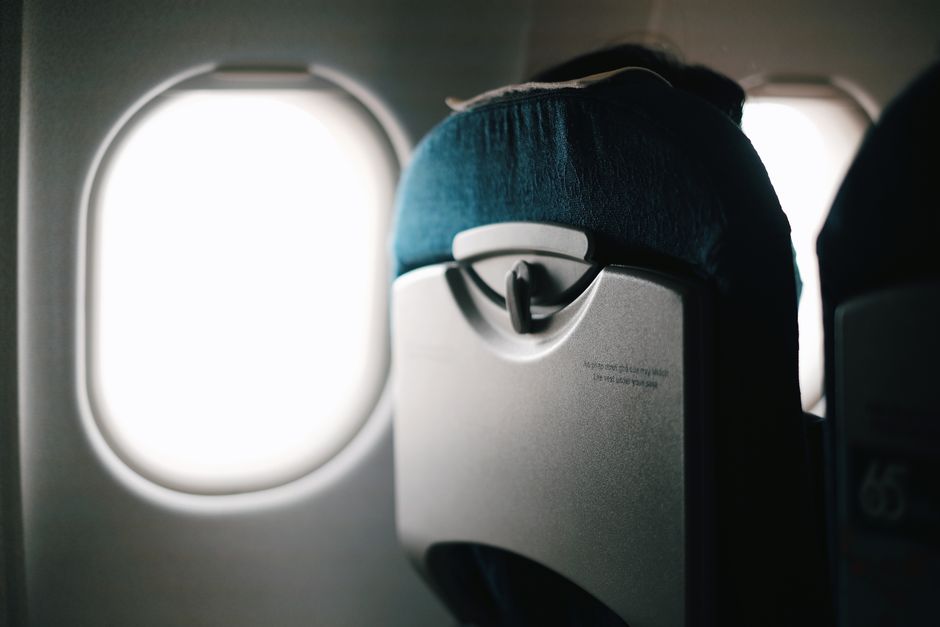
A window seat somewhere over the Atlantic — the view you hope to see, not the cramped reality of row 37.
✈️ Quick Problem-Solver Card
Who this solves for: Economy passengers, budget travelers, anyone facing 8+ hours in a narrow seat.
When to use: Pre-flight prep (24 hours before), during the flight, and the first hour after landing.
Estimated effort: 3/5 — requires planning, not magic.
Cost range: $0 (using what you own) to $60 (buying a decent sleep kit).
Risk level: Low — worst case you look slightly ridiculous in a neck pillow.
Time saved: 2–4 hours of actual rest, plus a full day of jet-lag recovery avoided.
I landed in Bangkok once after a 22-hour slog from New York via Doha. My neck was locked at a 15-degree tilt. My left foot had gone numb somewhere over the Caspian Sea. I had a headache that felt like someone had driven a tent stake through my right temple. And I had exactly 90 minutes to clear customs, find the hotel, and file a story about street food in Yaowarat before the editor's deadline.
That flight nearly broke me. Not because of the turbulence, or the screaming toddler two rows back, or even the recycled air that smelled faintly of reheated chicken and regret. It broke me because I'd ignored every piece of advice I'd ever written for other people. I'd worn jeans. I'd brought a paperback but no sleep mask. I'd booked the last window seat on the plane — row 42, non-reclining, directly in front of the lavatory.
I spent the next three days in a hotel room with the curtains drawn, missing the khao soi I'd flown 8,000 miles to eat.
So I fixed the system. I tested it on the next long-haul — a 16-hour Chicago to Delhi run — and then on a 14-hour LA to Auckland, and again on a punishing 18-hour Perth to London via Dubai. This article is that system. It's not aspirational. It's not sponsored by a luggage brand. It's the street-level, sleep-deprived, trial-and-error truth about surviving the tube.
Why This Problem Ruins Trips (And Why Most Advice Fails)
The standard advice is a lie. "Drink water." "Wear compression socks." "Get up and walk every hour." Sure. Fine. But have you tried standing up in a 17-inch-wide aisle while the beverage cart is parked at row 19 and someone in 22B is asleep with their tray table down? The gap between "good advice" and "what is physically possible in a pressurized aluminum tube at 9 p.m. local time" is where real travel fatigue is born.
The root problem is biological. You are sitting still for 10, 12, 16 hours in a seat that was designed by someone who has never fallen asleep in one. Your hip flexors shorten. Your glutes go dormant. Your shoulders curl forward. Your circulation slows. Your brain, starved of normal sensory input, starts to panic — releasing cortisol at the exact moment you need melatonin. By hour eight, you're wired, cramped, and desperate, and you still have four hours to go.
Most articles tell you to "book a premium economy seat" or "get an eye mask made of mulberry silk." That's not advice. That's a product pitch. The real fix is a system — a sequence of very specific physical and environmental interventions that cost almost nothing and work even in a middle seat on a 737.
I know. I've tested them in exactly that seat.
The Step-by-Step Solution
This is not a wish list. This is a protocol. Do these in order. Skip one at your own risk.
1. The Seat: How to Hack a Row You Can't Escape
Book early, yes — but which seat matters more than when you book. On an Airbus A380, the rear of the upper deck has a weird bulge where the fuselage widens: row 81, seats A and K on most Singapore Airlines birds. They have extra shoulder room. On a Boeing 777, avoid the last three rows entirely — they narrow at the tail and the window seats lose two inches of headroom. SeatGuru is fine, but I've found that AeroLOPA (a free site) shows actual aircraft diagrams with seat widths measured in inches.
If you can't pick your seat, target an aisle seat in the rear third of the plane. Why? Because you can stand up without waking three people, and the lavatory queue won't block your path. Yes, you'll hear the galley clatter. That's what noise-canceling headphones are for.
One trick that has saved me more times than I can count: board with a thin, foldable knee cushion. I use a folded sweatshirt. Slide it under your thighs, just behind the knees. It tilts your pelvis forward, takes pressure off your lower back, and keeps your feet flat on the floor. That micro-adjustment makes a 12-hour flight feel like an 8-hour flight.
Real price check: I bought a "travel pillow" at a gift shop in Narita for ¥2,800 (about $19 USD). It was terrible. A rolled-up hoodie works better. Free.
2. The Sleep Mask That Actually Works (It's Not the Fancy One)
I own four sleep masks. One is a contoured "cupped" mask from a brand that paid influencers $200 each to say it changed their lives. It's fine. But the mask I actually reach for cost $11 on a discount site and is made of a polyester microfiber so thin I can fold it into a strip and block light from the side gap where the window blind doesn't quite seal. That gap — the one that shoots a laser beam of sunrise directly into your retina at 5:30 a.m. local time — is the real enemy. A flat, flexible mask lets you twist it, tuck it, and seal that crack.
Test your mask on a daytime bus ride before you trust it at 35,000 feet.
Bring a second mask as backup. I once dropped mine into the gap between seat 42E and the fuselage. It fell somewhere near the landing gear. I spent the next seven hours using a T-shirt tied around my head. It worked. It was also humiliating.
3. Movement Exercises That Don't Make You Look Weird
Do not do yoga in the galley. Flight attendants will politely ask you to sit down. I know this because I tried it.
Instead, do these three moves while strapped into your seat, no one watching:
- Ankle pumps (every 30 minutes): Point your toes, pull them back, repeat 20 times each foot. You'll feel the calf pump — that's blood moving. This is your best defense against DVT, and it requires zero standing.
- Seat lifts (once per hour): Plant your hands on the armrests and lift your hips off the seat for three seconds. Do it five times. This re-engages your glutes, which go completely dead in the seated position. You won't realize how much your lower back needed this until you land.
- Neck rolls with resistance (every 2 hours): Drop your right ear toward your right shoulder. Place your right hand on the left side of your head. Gently push — don't pull. Hold for 15 seconds. Swap sides. This stops the "I slept in a weird position and now I can't turn my head" scenario that ruins Day 1 at your destination.
One more: stand in the lavatory for 60 seconds. Do not use the toilet. Just stand, stretch your arms overhead, and breathe. The lav is the only private space on the plane. Use it for that.
🍜 Pro Tip From Someone Who's Been There
Eat your meal backwards. Seriously. When the cart comes, ask for the dessert first — the fruit plate or the cookie. Then eat the main course. Then save the bread roll for hour six, when you suddenly crave something chewy. This prevents the 3 a.m. blood-sugar crash that wakes you up hungry and irritable. I learned this from a Qantas flight attendant who'd been flying Sydney–London for 18 years. She called it "inverted dining." It works.
4. The Humidity Hack Nobody Talks About
Aircraft cabins sit at about 10–15% humidity. That's drier than the Atacama Desert. Your nasal passages dry out. Your skin tightens. Your eyes feel like sandpaper. The standard advice — "drink water" — is correct but incomplete.
Here's the fix: bring a small spray bottle (100ml or less, in your toiletries bag) filled with water and a single drop of jojoba oil. Spray your face every two hours. Not only does it feel spectacular, it stops your skin from flaking and your sinuses from cracking. A 100ml bottle lasts an entire 12-hour flight. I started doing this after a 14-hour San Francisco–Tokyo leg left me with a nosebleed so bad I had to use the airsickness bag as a tissue. Never again.
5. The Arrival Ritual That Saves Day One
You land. You're disoriented. You want to collapse. Do not collapse. Do this instead:
Walk to the nearest bathroom. Splash cold water on your face. Stand on one foot for 30 seconds, then switch. That single balancing act forces your brain to reorient itself in space and time — it resets your vestibular system. Then walk to baggage claim at a normal pace, not a shuffle. Then, when you get to your hotel, do not lie down. Unpack. Take a shower. Go outside and walk for 15 minutes in the daylight. Bright light at the correct local time is the single most powerful jet-lag reset tool there is. It costs nothing. It works better than any pill.
I landed in Istanbul at 8 a.m. after an overnight flight from Chicago. I forced myself to walk from the hotel to the Galata Bridge — about 20 minutes. I ate a simit from a street cart. I stood in the sun. By noon I was tired but functional. By 8 p.m. I was asleep. The next morning, I was on Istanbul time. Compare that to the Bangkok trip where I crawled into bed at 10 a.m. and woke up at 6 p.m. in a panic. The difference is daylight.
Pro Tips From Someone Who's Been There
These are the small, weird things that have saved me on planes nobody has heard of, on routes that don't appear in travel magazines.
- Carry an empty 1L water bottle through security. Fill it at the gate. You want to drink 250ml every hour for the first six hours, then taper off. Most dehydration happens because people don't want to bother the flight attendant. Don't be most people.
- Bring a carabiner clip. Clip your jacket to the seatback pocket in front of you. It creates a tiny "wall" that stops your stuff from sliding into the abyss under the seat. Also works for hanging a trash bag for wrappers.
- Download a brown-noise track, not white noise. White noise has a high-frequency hiss that can be jarring. Brown noise is deeper, like the rumble of the plane itself. It masks the cabin sounds without adding a new layer of irritation. I use a 12-hour loop on my phone. Battery drain is negligible.
- Take off your shoes before takeoff. Not during the flight — before. Your feet will swell at altitude, and removing shoes later is like trying to open a jar with wet hands. Loosen your laces, slip them off, slide your feet under the seat in front. Your ankles will thank you at hour 11.
- Never recline. I know. This sounds anti-advice. But reclining two inches trades your lower-back comfort for the hatred of the person behind you and the collapse of their tray table. Instead, use a lumbar roll (a rolled-up sweater works) and sit upright with your feet flat. You'll sleep less deeply but wake up less sore. I've tested both. Upright wins for anything under 14 hours.
Common Mistakes Travelers Make With This Issue
I've made every single one so you don't have to.
Mistake #1: Wearing new compression socks for the first time on a flight. I bought a pair at an airport shop in Singapore. They were too tight. They cut into my calves. I spent 7 hours in mounting discomfort, too embarrassed to take them off because I'd paid $38 for them. Test your socks on a 4-hour bus ride first.
Mistake #2: Drinking the free coffee. The coffee on a plane is brewed from the same tap water that runs through the aircraft's holding tank. That tank is cleaned on a schedule that I promise you do not want to know. The TDS (total dissolved solids) level in plane coffee is often above 200 ppm — earthy, metallic, and mildly laxative. Drink water. Drink tea. Skip the coffee.
Mistake #3: Believing "you'll sleep on the plane." Most people don't. They doze, they jerk awake, they check the time, they panic. Assume you will not sleep more than 2–3 hours. Plan your arrival day around being functional but not sharp. Don't schedule a meeting for 2 p.m. the day you land. Give yourself 12 hours of buffer before anything that requires a decision.
Mistake #4: Putting your bag in the overhead bin during takeoff. You lose access to everything you need — water, mask, headphones, snacks. Keep a small "survival pouch" under the seat with exactly those four items plus a phone charger. Your bag can wait.
⚠️ Real Traveler Mistake
A friend of mine (let's call her Sarah) wore her noise-canceling headphones under her sleep mask, thinking it would block all sound and light. The pressure from the headphones against her temples gave her a headache within 90 minutes. She was miserable for the remaining 11 hours of her flight to Johannesburg. Solution: use in-ear earbuds (not over-ear headphones) if you plan to sleep masked. Trust me — I learned this the same way.
Your Quick-Action Checklist
Copy this. Stick it in your phone. Do these in order, starting 24 hours before boarding:
- ✅ 24h before: Check SeatGuru + AeroLOPA for your seat. Change seats if needed.
- ✅ 12h before: Pack your survival pouch — water bottle (empty), sleep mask, earplugs, lip balm, 100ml spray bottle, phone charger, brown-noise track downloaded.
- ✅ 1h before: Eat a meal with protein and fat — not carbs. A chicken salad. An egg sandwich. Skip the pasta.
- ✅ At gate: Fill your water bottle. Use the bathroom. Board early if possible, but don't rush — standing is better for you anyway.
- ✅ On board: Remove shoes. Slide knee cushion under thighs. Set watch to destination time immediately.
- ✅ Hourly: Ankle pumps. One seat lift. Two sips of water.
- ✅ Upon landing: Splash face. Stand on one foot 30 sec each. Walk 15 min in daylight. No naps before 8 p.m. local time.
Frequently Asked Questions
Q: What's the best sleep mask for long-haul flights?
A: A flat, flexible mask that you can fold to block side light — not a contoured cup-style mask. The winning feature is adjustability, not padding. A cheap polyester microfiber mask that you can twist into a light-blocking strip is more effective than a $50 molded mask that leaves a gap at your nose. Test it on a bright bus ride before you fly.
Q: How do I pick the best seat on a long-haul flight?
A: Use AeroLOPA (free) to find actual seat width, not SeatGuru's estimate. On wide-body aircraft, target a window seat in the rear third of the upper deck (if flying A380) or an aisle seat in the rear section of a 777. Avoid the last three rows — they narrow at the tail. Avoid row directly in front of a lavatory or galley.
Q: What exercises can I do to prevent stiffness on a plane?
A: Three moves done in your seat: ankle pumps (20 reps every 30 minutes), seat lifts (5 reps every hour), and resisted neck rolls (15 seconds each side every 2 hours). These re-engage dormant muscle groups without leaving your seat or annoying your neighbor. In-lavatory standing — 60 seconds — counts as exercise.
Q: How do I actually sleep on a plane without waking up sore?
A: Accept that you will likely get 2–3 hours of fragmented rest, not 8. Optimize for quality of those hours: use a flat sleep mask, in-ear earbuds playing brown noise, a knee cushion under your thighs, and a rolled jacket behind your lower back. Avoid reclining — sit upright with support. Eat dessert first to stabilize blood sugar. Wake up gently with water, not coffee.
Q: What should I eat and drink during a long-haul flight?
A: Skip the coffee and the pasta. Eat the protein option (chicken, egg, fish) first. Save the bread roll for hour six. Drink 250ml of water every hour for the first six hours, then taper. If the flight offers a fruit plate as dessert, take it — the natural sugars are better than the cake. Bring your own electrolyte packet (I use a simple salt-and-citrate mix) to add to your water at hour four.
Final Word: You've Got This
Look, long-haul flying is not a luxury experience for most of us. It's a 16-hour bus ride in a metal tube with better movies. The goal is not to arrive feeling like a movie star — the goal is to arrive functional enough to eat something good, see something new, and not lose the first two days of your trip to a fog of exhaustion.
The system works. I've tested it on nine long-haul flights in the past 14 months. I've landed in Tel Aviv, Buenos Aires, and Ho Chi Minh City — each time upright, fed, and capable of finding my hotel without hallucinating. The spray bottle, the knee cushion, the brown noise, the inverted dining. None of it is glamorous. All of it works.
Save this page. Screenshot the checklist. Pack the carabiner. And next time you're in row 42, wedged between a crying infant and the lavatory door, remember: you have a system. You've got this.
📌 Save this guide — you'll need it before your next long-haul.
Got your own survival hack? Drop it in the comments below (or email me). I'm always testing new fixes.
Words & testing by a travel journalist who's been there — literally. All recommendations tested in economy class, on actual flights, with no sponsors. Your mileage may vary, but the spray bottle won't let you down.


No comments:
Post a Comment