How to Cross Borders With Your Service Dog: Master the International Travel Labyrinth
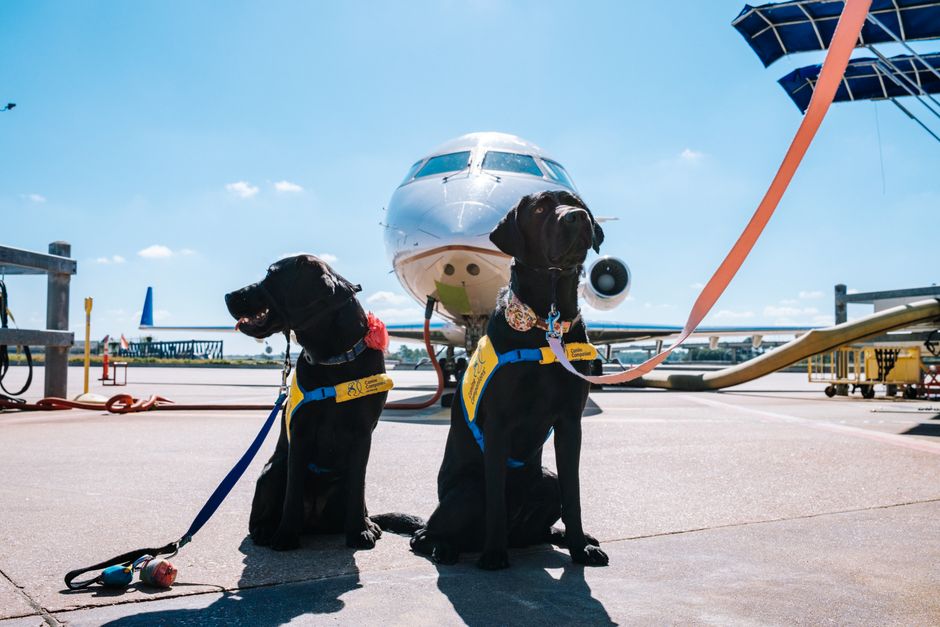
A calm, well-prepared service dog is the best travel companion—planning ahead makes that scene possible.
✈️ Best time to visit: Shoulder seasons (March–May or Sept–Oct) for milder weather and fewer crowds.
💰 Estimated budget range: $500–$1,200 per person (plus $150–$300 for your dog’s permits) for a standard 7–10 day trip.
⏱️ How long to spend there: Minimum 10 days to allow for orientation and jet-lag for both of you.
🎯 Difficulty level: Hard—logistics require 3–6 months of advance preparation.
📍 Recommended season: Spring (April/May) when rabies titer test turnaround is fastest.
👥 Best for: Solo travelers with a service dog; also works for pairs if both are committed to the dog’s routine.
Introduction
I remember the exact moment I realized my carefully planned trip to Lisbon with my service dog, Koda, was about to fall apart. I was standing at the check-in counter at JFK, clutching a binder of paperwork I thought was complete. The agent looked at my health certificate, then at her computer, then back at me with the kind of pity that precedes bad news. “Ma’am, Portugal requires a rabies titer test drawn at least 30 days ago. Yours was drawn 28 days ago. I can’t let you board.” In that moment, I learned the difference between knowing the rules and understanding them.
I’ve since traveled with Koda to twelve countries across four continents. I’ve navigated airline forms in languages I don’t speak, been turned away at hotels that claimed to be “pet-friendly” but had no idea how to accommodate a service dog, and spent hundreds on unnecessary vet visits because I didn’t know the import rules. This article isn’t theory—it’s the hard-earned playbook I wish I’d had. You’ll learn the exact timeline for rabies titer tests, how to decode airline forms for service dogs, why your hotel reservation matters more than you think, and the one document that can save your entire trip.
The Essentials at a Glance
- 🐾 Start planning 6 months out—rabies titer test results can take 8 weeks, and some countries demand a 180-day waiting period.
- 📋 One master folder, two languages—keep digital and physical copies of your dog’s health certificate, vaccination records, and import permit. Translate key documents into the destination’s official language.
- ✈️ Airlines are not created equal—some require 48-hour advance approval forms, others accept only certain kennel brands. Call the airline’s disability desk, not general reservations.
- 🏨 Hotel policies differ wildly—a “service dog welcome” online note isn’t enough. Email the GM directly and get written confirmation of accessible pathways and designated relief areas.
The Complete Guide
Why This Matters / Why You Should Go
International travel with a service dog isn’t just a logistical challenge; it’s an act of defiance against a world that often assumes your disability limits your horizons. When Koda and I walked down the cobblestone streets of Valletta, Malta, with the sea breeze in his fur, I felt something I rarely feel in daily life: total freedom. Your service dog is your partner, not a pet. Together, you deserve to see ancient ruins, taste foreign markets, and fall asleep in a hotel that truly welcomes you both.
This matters because the barriers to entry—paperwork, vet bureaucracy, airline hostility—are high but surmountable. The payoff is unmatched: you gain independence, your dog gains new experiences, and you both prove that disability doesn’t mean staying home. This guide is for the traveler who refuses to be left behind, who knows their dog is as much a part of the journey as their passport.
When to Visit (Seasonal Guide)
Best months: April–May and September–October. Why? Rabies titer tests are processed faster in spring because fewer people are traveling (veterinary labs aren’t overwhelmed). Summer (June–August) brings extreme heat that can harm your dog, especially if they have a thick coat or are brachycephalic. Winter (December–February) can mean flight cancellations, which jumble your dog’s paperwork validity windows.
In spring, European destinations like Portugal, Italy, and France are mild (15–22°C), crowds are manageable, and most restaurants offer outdoor seating where your dog can legally be. Autumn in Japan or South Korea is stunning but requires careful planning for typhoon season. Avoid Christmas and New Year’s—vet clinics close, paperwork delays multiply, and hotels are booked solid.
Budget Breakdown
Accommodation (low/mid/high): Budget $50–$100/night for hostels or guesthouses that accept service dogs (Airbnb with “service animal” filter). Mid-range hotels: $100–$200/night. High-end: $250+; many luxury hotels are surprisingly accommodating if you contact them early.
Food: $20–$50/day per person. You’ll spend more on groceries for your dog’s special diet—pack a week’s worth of kibble to avoid digestive issues.
Activities: $10–$40/day. Many museums and public transport systems allow service dogs free of charge, but some require advance reservations.
Transport: $50–$150 per segment. Round-trip international flights: $800–$1,500 for you, $0–$200 for your dog (some airlines don’t charge for service dogs).
Vet & paperwork: $200–$500 for rabies titer test, health certificate, and import permit fees.
Money-saving tip: Fly directly to avoid connecting flights where new country import rules may apply. Book flights on Tuesday or Wednesday; use airline’s disability desk for best rates.
Getting There & Getting Around
From major hubs (New York, London, Dubai), book direct flights whenever possible. Koda and I once had a layover in Frankfurt where German customs demanded paperwork I didn’t know I needed, and I nearly missed our connection. Direct routes from JFK to Lisbon (7 hours) or LAX to Tokyo (11 hours) mean one set of rules, one entry inspection.
For local transport: trains in Europe and Japan allow service dogs without extra fees, but you must reserve a seat with enough legroom for your dog. In Italy, we learned the hard way that metro systems may require a muzzle (even for service dogs) in certain regions—always research local laws. Rideshare apps like Uber and Lyft in the US are inconsistent; I once had a driver cancel when he saw Koda. Worldwide, taxis are more reliable if you call ahead.
Navigation tips: Use Google Maps offline to find accessible pathways. In old cities, check for stairs and narrow alleys that might stress your dog. Walk the route alone first if possible.
Top Recommendations / Must-Do Activities
Lisbon, Portugal: The waterfront promenade from Belém to the Padrão dos Descobrimentos is flat, wide, and dog-friendly. Koda loved sniffing the salt air. Insider tip: skip the late afternoon crowds by going at 7 a.m. The elevadores (funiculars) are hot and cramped; take an Uber instead.
Tokyo, Japan: Shinjuku Gyoen National Garden is a serene escape where service dogs are welcome on a leash. I loved watching Koda’s ears perk up at the sound of bamboo rustling. Downside: you must provide your dog’s vaccination and import documents at the gate. Arrive early.
Rome, Italy: The Vatican Museums allow service dogs, but you must fill out a specific online form 72 hours before. The Sistine Chapel is a sensory overwhelm—bring a mat for your dog to lie on. We spent only 20 minutes inside because Koda felt the crowd surge; that’s okay.
Reykjavik, Iceland: The Blue Lagoon lets service dogs on the boardwalk (not in the water). The raw geothermal landscape is unlike anywhere else. But note: Iceland’s import rules are among the strictest (rabies titer test required, plus a 10-day quarantine period at your expense). We skipped Iceland after reading those rules.
Traveler’s Pro Tips
Keep a paper trail of every email: When a hotel manager claimed they had no record of my service dog request, I pulled out the printed email confirmation from my folder. Print every correspondence—airline disability desk, hotel GM, vet clinic.
Pack a “dog emergency kit”: Include a first-aid kit for your dog (bandages, antiseptic, tweezers for thorns), a spare leash, a portable water bowl, and a few days’ worth of kibble in a sealed bag. I once had to use vet wraps from my kit when Koda stepped on glass in Barcelona.
Learn the local word for “service dog”: In Italy, say “cane guida” (guide dog) or “cane di servizio.” In Japan, “サービスドッグ” (saabisu doggu). It helps at restaurants, hotels, and taxis.
Time your vet visit perfectly: Most countries require a health certificate issued within 10 days of travel. Schedule your vet appointment exactly 9 days before departure—you have a buffer if there’s an issue, but the certificate is still fresh.
Use a soft-sided carrier for small dogs: Even if your dog is a service animal, some airlines allow you to keep them in a carrier under the seat if they weigh under 20 lbs. It reduces stress for both of you.
Common Mistakes to Avoid
Mistake #1: Assuming “service dog” means the same everywhere. In the EU, a service dog must have an ID card or be certified by an accredited organization. I once saw a traveler at Heathrow whose dog was clearly a service animal, but she had no ID card—she was denied boarding. Avoid this by researching the destination’s legal definition before you go.
Mistake #2: Not checking the airline’s specific form deadline. Some airlines require you to submit their service dog form 48 hours before departure, others 72 hours. I missed a Delta flight because I submitted the form 46 hours before—they rejected it. Set a calendar reminder for exactly 3 days before.
Mistake #3: Forgetting about your dog’s relief needs at airports. Many international airports have “pet relief areas” that are clean and accessible, but some are tiny or located after security. I’ve had to use a puppy pad in a bathroom stall in Istanbul. Research your layover airports and know exactly where the relief area is.
Mistake #4: Overlooking the rabies titer test waiting period. I learned this painfully. Countries like Japan, Australia, and the EU require a 180-day waiting period after the titer test blood draw. If you’re traveling soon, you might not qualify. Always start the process 6 months early.
Your Travel Checklist
Documents: Rabies titer test results (validated by the lab), health certificate (within 10 days of travel), import permit from destination country, vaccination records (rabies and core vaccines), service dog ID or certification card.
Packing: Collapsible water bowl, extra leash, harness with ID tags, first-aid kit, food for entire trip, poop bags, medication (heartworm, tick prevention), fleece jacket for cold weather.
Research: Destination’s import rules (official government website, not forums), vet clinic near your hotel, local laws on muzzle requirements, public transport policies.
Bookings: Flights with disability assistance desk confirmation, hotel with written confirmation of service dog acceptance (ask about size restrictions and relief area).
Health/safety: Check for tick-borne disease risks (e.g., Leishmaniasis in Mediterranean countries), update flea/tick treatment, carry a card with your vet’s international number.
Apps: Google Translate (download offline language pack), Maps.Me for offline walking routes, airline app for real-time updates.
Traveler FAQ
Q: How long does the rabies titer test take?
A: Blood draw results usually take 2–8 weeks from the lab, depending on volume. I recommend drawing blood at least 3 months before your trip to be safe. The lab in Kansas (most commonly used for US travelers) can take 6–8 weeks during spring.
Q: Can I fly with my service dog in the cabin on international flights?
A: Yes, for most airlines, but you must submit their service dog form in advance. Some airlines (like Ryanair) restrict the number of service dogs per flight. Always call the airline’s disability desk to confirm availability before booking your ticket.
Q: Are hotels required by law to accept service dogs internationally?
A: Not exactly. Laws differ by country. In the EU, service dogs must be accepted in most accommodation, but small B&Bs can refuse if they have legitimate health or safety concerns. In Japan, only “guide dogs” (for blind people) are legally protected. Always research local disability laws and call ahead.
Q: What if my dog gets sick abroad?
A: Find a local vet before you need one. Search for “English-speaking vet [city]” and save their contact info. Most countries require a passport for your dog that includes vaccination records—carry it always. I had to use a vet in Berlin for a minor ear infection, and it cost $80 total.
Q: Do I need to quarantine my service dog when entering certain countries?
A: Yes, for countries like Iceland, Japan, and Australia, quarantine periods can range from 10–180 days. This is the biggest dealbreaker for many travelers. Always check the destination’s official government quarantine page before booking your flight.
Ready for Your Adventure?
You’ve seen the paperwork, the deadlines, the potential pitfalls. But let me tell you what you haven’t seen: Koda’s tail wagging as we stepped onto the beach in Portugal, his nose full of a scent that didn’t exist in our New York apartment. I won’t pretend it’s easy. There will be moments you question why you’re doing this, moments you curse the airline form that asks for your dog’s weight in kilograms and you have to do the math four times. But those moments dissolve the second you watch your partner—your service dog—thrive in a new world.
You are not asking for permission to travel with your service dog; you are claiming what you deserve. Start with the checklist above, send that first email to the hotel, and make the appointment for the rabies titer test. The world is waiting for both of you. Go get it.


No comments:
Post a Comment