Soaring the Canopy: Why Zip Lining Through Costa Rica, Brazil, and Ecuador Will Change Your Perspective Forever
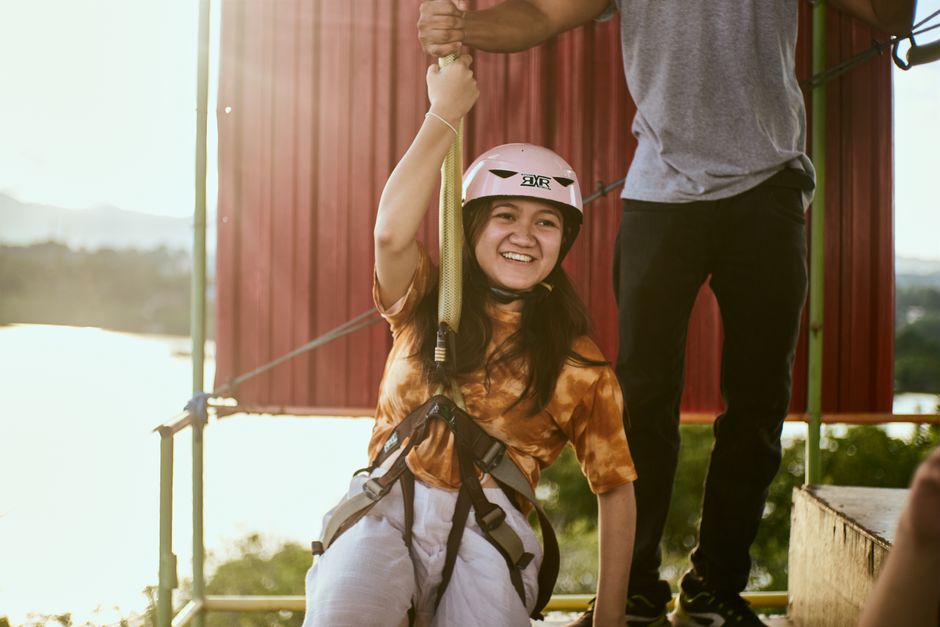
A typical canopy tour line stretches between emergent trees, offering a bird's-eye view of the rainforest.
Quick Stats for Rainforest Zip Lining Trips
✈️ Best time to visit: December to April (dry season across Central & South America)
💰 Estimated budget range: $150–$350 per day (including accommodation, meals, one zip tour)
⏱️ How long to spend there: 7–10 days to combine two countries or major regions
🎯 Difficulty level: Easy to moderate (minimal physical effort but requires a head for heights)
📍 Recommended season: December through March for clear skies and active wildlife
👥 Best for: Solo adventurers, couples, and families with teens (minimum age usually 8)
Introduction
I remember the precise moment my boots left the wooden platform. The guide gave a quick thumbs-up, and then I was airborne, suspended only by a steel cable and a harness that suddenly felt far too thin. The wind rushed past my ears, drowning out the howler monkeys below. For those ten seconds, I was not a tourist with a camera; I was a passing bird, skimming the emergent layer of a Costa Rican rainforest. That single run changed how I travel. It turned landscapes into living, breathing canopies and replaced distant views with immersive flight.
I have since completed over thirty canopy tours across the Americas, from the adrenaline-pumping mega-lines of Brazil to the intimate, wildlife-rich tours in the Ecuadorian Amazon. I have made the mistakes—the forgotten gloves that left rope burns, the wrong footwear that slipped on wet wood—so you don’t have to. This guide distills years of personal experience into one clear, honest roadmap for your own zip lining adventure. Whether you are a first-timer or a seasoned flyer, I will show you exactly where to go, when to book, and how to get the most from every single second above the jungle floor.
The Essentials at a Glance
- 🌿 Location matters: Costa Rica offers the safest, most beginner-friendly lines; Brazil’s Iguazu delivers the most dramatic views; Ecuador’s Amazon gives you the wildest biodiversity.
- 💰 Book smart: Independent operators charge $50–$90 per tour; resort-based zip lines can cost $120–$200 but include transportation and meals.
- 🐒 Timing is everything: Go early (7:00–9:00 AM) for cooler temperatures and active wildlife; afternoon tours often get cancelled due to tropical rain.
- 🧴 Pack light but right: Long trousers, closed-toe shoes, insect repellent, and a small water bottle. Leave jewelry and loose items at your hotel.
- 📸 GoPro policy: Most operators allow GoPros with a chest mount; hand-held phones are usually forbidden for safety reasons.
The Complete Guide
Why This Matters / Why You Should Go
Zip lining through a rainforest is not just an activity; it is a fundamental shift in perspective. On the ground, you are a visitor—walking on trails, peering up through dense leaves, hoping to glimpse a toucan or a sloth. From the canopy, you become part of the ecosystem. You see how the branches interlock, where the monkeys travel, and how light filters through layers of life. It is humbling and exhilarating in equal measure.
Costa Rica, Brazil, and Ecuador each offer something unique. Costa Rica is the gold standard for safety and variety—operators here are regulated, equipment is modern, and guides speak excellent English. Brazil’s Iguazu Falls zip line is a bucket-list must: you fly directly above the thundering waterfalls, mist rising around you, with a view that spans two countries. Ecuador’s Amazon region, particularly around Tena and Misahuallí, offers the rawest experience—longer lines, thinner infrastructure, and a genuine immersion in the jungle’s daily rhythm. If you want high-adrenaline combined with high wildlife probability, Ecuador is your pick. If you want polished, worry-free fun suitable for the whole family, Costa Rica wins.
This is for anyone who has ever looked up at a forest canopy and wondered what it would feel like to float among the treetops. You do not need to be an athlete; basic fitness and a reasonable head for heights are all that is required. The reward is a memory that stays vivid for years.
When to Visit (Seasonal Guide)
The dry season (December through April) is universally the best window for zip lining across all three countries. In Costa Rica, this means clear skies over Monteverde and Arenal, with less afternoon drizzle that can shut down lines. In Brazil, winter months (June–August) actually offer the clearest skies at Iguazu, though the falls themselves have less volume than in summer. Ecuador’s Amazon is wettest from March to June; December through February and July through September give you drier platforms and more visible wildlife.
Shoulder months like November and May can be excellent—fewer tourists, lower prices, and brief showers that usually clear within an hour. However, I once had a tour cancelled in late May in Costa Rica because of constant rain; the operator refused to run for safety reasons. Always book with a free cancellation policy during these transitions. Crowds peak in January and February; book tours at least two weeks ahead if you plan to visit during those months.
Budget Breakdown
Let me give you real numbers from my own travels. In Costa Rica (Arenal area), a mid-range hotel room costs $70–$120 per night. A typical zip line tour with transportation runs $80–$100. Meals average $10–$20 per person. Daily total for a solo traveler: around $150–$180. For two people, the per-person cost drops to $120–$150 because shared accommodation.
In Brazil, Iguazu is pricier. Hotels near the Brazilian side start at $100 (basic) to $300+ (luxury). The park entrance fee is about $35, and the zip line tour (called “Flying over the Falls”) costs an additional $60–$80. Budget $200 per day on a moderate plan. Money-saving tip: stay in Foz do Iguaçu town rather than the hotel district—buses are cheap and frequent.
Ecuador is the most affordable. A room in Tena costs $25–$50. A full-day canopy tour including lunch and transport costs $50–$70. Meals are $5–$10. You can comfortably manage on $80–$100 per day. I recommend carrying cash (small US bills) as ATMs are scarce and often out of service.
Overall, a 10-day trip to any of these countries will cost $1,500–$2,500 for one person, including flights if you book wisely. Use Skyscanner for flights and book accommodation with free cancellation.
Getting There & Getting Around
For Costa Rica, fly into San José (SJO) or Liberia (LIR). From San José, it’s a 3-hour shuttle to Monteverde ($25 shared) or 2.5 hours to Arenal ($30). Local buses are cheaper but slower. I recommend taking a shared shuttle—it’s worth the extra $10 for comfort. Once in the area, most zip lining operators include hotel pickup in their tour price.
For Brazil’s Iguazu, fly into Foz do Iguaçu (IGU). The national park is a 30-minute taxi ride ($15–$20). The Brazilian side is more accessible; the Argentine side requires crossing the border (visa check, allow 1 hour). Book the zip line through the official park website or your hotel concierge to avoid fake tour sellers at the entrance.
For Ecuador, fly into Quito (UIO), then take a 5-hour bus to Tena ($12–$15). The bus ride is scenic but winding—pack dramamine. From Tena, local taxis or guided tours take you to the canopy sites. I strongly recommend booking a tour that includes transportation, as public transport to remote zip lines is unreliable and ends early.
Top Recommendations / Must-Do Activities
1. Costa Rica: Sky Adventures Monteverde (The Superman Position)
This was my first-ever zip line, and it set the bar impossibly high. The “Superman” cable lets you fly face-down, strapped into a full-body harness, giving the sensation of being an actual bird. The longest line is a staggering 1,590 meters (about a mile). The forest below is a patchwork of cloud forest greens, and if you are lucky, you will spot a resplendent quetzal. Downside: it is popular, so afternoon slots get crowded. Go for the 8:00 AM slot. Cost: $85 per person including transport from Monteverde.
2. Brazil: Iguazu Falls Zip Line (Flying over the Falls)
This is less of a jungle canopy experience and more of a geological wonder. The line runs adjacent to the Devil’s Throat, the most powerful part of the falls. You will feel the spray in the air. The run itself is short (about 400 meters) and not particularly thrilling speed-wise, but the view is unmatched. Bring a waterproof phone pouch if you want photos. Downside: the walk from the park entrance is 30 minutes uphill. Cost: $60 on top of park entry fee.
3. Ecuador: Amazoonico Canopy Tour (Tena)
This is the hidden gem. Located an hour from Tena by canoe and hiking, this tour includes nine zip lines, two suspension bridges, and a Tarzan swing. The biodiversity here is staggering—I counted five species of monkeys during one single tour. The lines are cut through primary rainforest, not secondary growth. Downside: the hike in is muddy and steep; wear proper boots. Cost: $55 including lunch. Book through Amazon Adventures Tena.
4. Costa Rica: Arenal Paraíso Canopy Tour (Arenal)
This tour offers 11 cables and a chance to see Arenal Volcano in the background. It is slightly cheaper than Sky Adventures ($70) and less crowded. The guides double as naturalists: I learned how to identify termite nests and howler monkey troops. One of the lines ends right at a hot spring—you can soak for free after. Insider tip: skip the provided lunch and bring your own snacks; the on-site restaurant is expensive and average.
Traveler’s Pro Tips
Learn the braking technique before you launch: Most operators use hand brakes. Ask your guide to demonstrate exactly how to slow down before you step off the platform. I once saw a tourist hit the end brake too hard and spin backwards in the air. It is not dangerous but it is disorienting. Use your dominant hand for braking, keep your other hand clear of the line.
Wear a long-sleeved shirt even in heat: Sunburn at altitude is real, and branches can scratch your arms. A lightweight, moisture-wicking shirt also protects against insect bites. I use a cheap UV-fishing shirt and it has saved me countless mosquito bites in the Ecuadorian Amazon.
Bring your own gloves: Many operators provide gloves, but they are often wet, smelly, or too small. A pair of cheap gardening or mechanic’s gloves from a hardware store ($5) will give you better grip and save your palms from rope burn. I always pack a pair in my daypack.
Check the wind forecast: Strong winds (above 30 km/h) can shut down tours. In Monteverde, afternoon winds are common. Check Windy.com before you book your slot. If winds are high, opt for a morning tour. I once had to wait three hours for winds to die down in Arenal—the morning group got through fine.
Hydrate strategically: Dehydration makes you dizzy, and dizziness on a platform 40 meters up is not ideal. Drink two glasses of water an hour before your tour, but avoid caffeinated drinks—they dehydrate you further. I always carry a 1-liter bottle with an electrolyte tablet dissolved in it.
Common Mistakes to Avoid
Mistake 1: Wearing flip-flops or loose shoes. I made this error in Ecuador. My sandal slipped off mid-air and dropped 30 meters into inaccessible undergrowth. I completed the tour barefoot, which was both uncomfortable and unsafe. Always wear closed-toe athletic shoes with good grip. Consequence: you lose your footwear and risk foot injuries on landing platforms.
Mistake 2: Booking a tour in the afternoon during rainy season. Tropical storms often build by 1:00 PM. In Costa Rica, I booked a 2:00 PM tour and got rained on by 2:30. The operator cancelled the last two lines for safety. Consequence: you pay full price but only experience half the tour. Always book the earliest morning slot when weather is most stable.
Mistake 3: Not checking your harness fit. Harnesses should be snug but not tight. I once saw a guide put a harness on a guest too loosely; the guest slid down slightly during the ride and panicked. Before you step on the platform, double-check that the leg loops are secure, the waist belt is high on your hips (not your stomach), and you can still breathe. Consequence: injury or psychological distress mid-ride.
Mistake 4: Forgetting to secure your glasses or sunglasses. Even if they fit well, wind and speed can knock them off. I lost a pair of prescription sunglasses in Brazil—they fell into the Iguazu River, unrecoverable. Use a strap or leave glasses in your locker. Consequence: expensive loss and impaired vision for the rest of your trip.
Your Travel Checklist
Documents: Passport (valid 6 months beyond travel date), printed tour confirmations, travel insurance details. For Brazil, check visa requirements (US citizens need a visa; many other nationalities are exempt).
Packing: Long trousers (quick-dry), long-sleeved shirt, closed-toe shoes, waterproof jacket, insect repellent (DEET 30% recommended), sunscreen, hat, reusable water bottle, electrolyte tablets, small backpack, mechanic’s gloves, GoPro with chest mount.
Health & Safety: Yellow fever vaccination (recommended for the Amazon), malaria prophylaxis (consult your doctor for Ecuador/Brazil), travel first-aid kit, antihistamine for potential allergic reactions.
Local Currency & Payments: Costa Rica: US dollars accepted everywhere but colones for change; Brazil: Brazilian Real (bring a debit card, ATMs are common in Foz but not in parks); Ecuador: US dollars (Carry small bills—$1, $5, $10—as locals often cannot break large bills).
Apps to Download Offline: Google Maps (download offline maps of your area), XE Currency (for real-time exchange), WhatsApp (operators use it for confirmations), Windy (for wind forecasts).
Traveler FAQ
Q: Is zip lining dangerous? What is the injury rate?
A: When done with a reputable operator, zip lining is remarkably safe. In Costa Rica, where the industry is heavily regulated, injury rates are roughly one per 500,000 participants (data from ICT, Costa Rica Tourism Board). Most accidents happen because of guest error (touching the line, not braking properly). Choose operators that use dual-cable systems and inspect their gear daily. I always ask to see the guide’s certification card before booking.
Q: What if I am afraid of heights? Can I still do it?
A: Yes, many beginners manage fine because the sensation of flying overrides the fear of standing on edges. I recommend starting with a shorter, slower line (like the ones in Tena, Ecuador, where speeds are moderate). Tell your guide you are nervous—they will brake earlier and give you extra instructions. Do not force yourself if the panic is overwhelming; there is no shame in opting out.
Q: What should I wear? Are there any items I must leave behind?
A: Wear long pants and closed-toe shoes—no sandals, no skirts, no loose jewelry. Leave behind your phone unless it is securely attached to you. Most operators provide lockers for bags. I avoided wearing a necklace on one tour and am glad I did; it would have swung up and hit my chin during fast runs.
Q: Do I need to book in advance, or can I just show up?
A: In popular areas like Monteverde and Iguazu, you absolutely need to book at least 1–2 days ahead during peak season. In Ecuador’s Tena, showing up at the tour office the day before usually works. I learned the hard way when I tried to book same-day in Arenal in January and all morning slots were sold out. Always reserve online with a free cancellation policy.
Q: Can I take a GoPro or camera during the ride?
A: Most operators allow GoPros with a chest or head mount. Hand-held items (selfie sticks, phones) are generally forbidden because dropping them could injure someone below or damage the line. I use a GoPro Hero 11 with a chest mount; it captures the rush without being a distraction. Check the specific policy before your tour; some operators sell cheap hands-free straps on-site.
Ready for Your Adventure?
Standing on that first platform, harness clipped in, the guide counting down from three, you will feel a moment of pure vulnerability. Then you step off, and the world becomes a blur of green and sky and wind. That terror transforms almost instantly into wonder. This is why we travel—not just to see new places, but to experience them from a different angle, literally and metaphorically. Zip lining through rainforests in Costa Rica, Brazil, or Ecuador is more than a thrill ride; it is a connection to the living, breathing heart of our planet.
If you have been hesitating because of cost, fear, or uncertainty, let this be your push. The gear is simple, the guides are skilled, and the memory will outlast any discomfort by decades. Pick one destination from this guide, book your first tour, and trust the process. You will land on the other side with a smile that will not fade for weeks.
Your canopy awaits. Go get airborne.


No comments:
Post a Comment