What Is Slow Travel and Why Bali Is Perfect for It
Slow travel in Bali isn't just a trend. It's a mindset shift that transforms how you experience this Indonesian island. Instead of racing through a checklist of temples and beaches, you settle into a rhythm dictated by the sunrise over rice paddies and afternoon rain showers. The concept invites you to stay longer in fewer places, connect with local communities, and let curiosity guide your days rather than a tight itinerary. Bali rewards this approach more than almost any other destination because the island's magic lives in the quiet moments between the major attractions. You discover it while lingering over a cup of Balinese coffee at a family warung, or when a farmer pauses his work to teach you about subak, the ancient irrigation system. This section unpacks what slow travel truly means in 2026 and why Bali stands as the ultimate canvas for this intentional style of exploration.
Defining Slow Travel in the Modern Age
Slow travel in Bali means prioritizing depth over breadth. You might skip the whirlwind tour of six temples in one day and instead spend an afternoon sitting with a local priest who explains the philosophy behind daily offerings. The modern slow travel movement borrows from the slow food ethos that started in Italy—valuing quality, connection, and sustainability. In 2026, this approach has evolved beyond simply "staying longer." It now incorporates digital detoxing, supporting locally-owned businesses, and choosing eco-friendly accommodations that give back to the village. You trade FOMO for JOMO—the joy of missing out. A slow traveler in Bali might learn to make coconut oil with a family in Sidemen rather than snapping photos at a crowded waterfall for social media. The focus shifts from collecting experiences to absorbing them.
Bali’s Unique Cultural and Natural Landscape
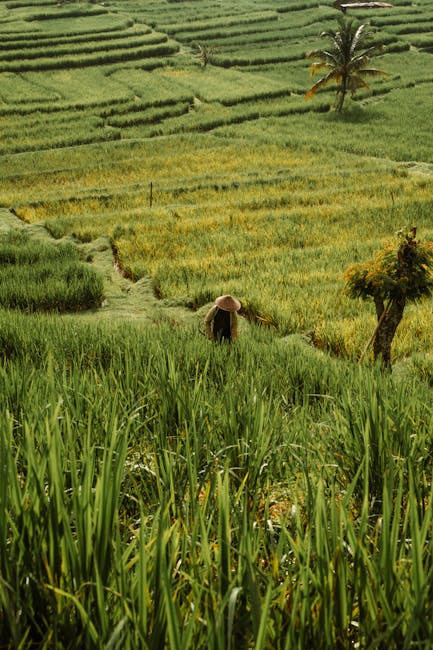
Bali's geography and spiritual fabric make slow travel in Bali feel effortless. The island packs volcanic mountains, black sand beaches, emerald rice terraces, and coral reefs into a relatively small area, yet each region carries a distinct character shaped by centuries of tradition. Unlike destinations where culture exists behind museum glass, Balinese Hinduism breathes through every aspect of daily life. You'll witness morning offerings placed on sidewalks, hear gamelan rehearsals drifting from village banjars, and smell incense curling from family shrines. This living culture invites participation, not just observation. The natural landscape further encourages slowness. Winding roads through Ubud's hinterlands demand cautious driving speeds. Mountain paths in Munduk reveal themselves best to those who stop and breathe. The climate itself—tropical and unhurried—discourages rushing. Afternoon rains create natural pauses, moments to sip tea and watch mist roll through palm groves.
Escaping the Fast-Paced Tourist Circuit
The southern Bali corridor—Kuta, Seminyak, Canggu—operates on a different frequency than the rest of the island. Traffic jams, beach clubs pumping electronic music, and streets lined with smoothie bowl cafes cater to a faster, louder style of tourism. Slow travel in Bali means intentionally stepping away from this circuit. Head twenty minutes north of Ubud's main strip and you'll find villages where farmers still plow fields with water buffalo. Drive east to Sidemen and you'll walk through valleys woven with cassava and cacao trees without another foreign face in sight. The infrastructure for escaping exists: quiet guesthouses run by families, walking trails connecting hamlets, and local drivers who double as cultural interpreters. The key lies in choosing bases outside the obvious zones and resisting the urge to "see everything." A slow traveler might spend a week in Amed snorkeling the same reef each morning, gradually learning the patterns of the marine life, while packaged tourists rush through on a two-day diving course. The reward is a relationship with a place, not just a gallery of photographs.
Choosing Your Slow Travel Base in Bali: Regions and Villages
The foundation of successful slow travel in Bali rests on where you choose to unpack your bags. Rather than switching hotels every two nights, pick one or two bases and let your explorations radiate outward like spokes on a wheel. Each region of Bali offers a distinct personality, microclimate, and pace of life. The right village can become a temporary home where you learn the name of the banana seller at the morning market and the best shortcut through the rice fields to a hidden waterfall. This section explores three regions that excel at hosting slow travelers in 2026, each providing a genuine window into Balinese life away from the island's congested south. The criteria for selection include walkability, access to nature, presence of local communities rather than expat enclaves, and enough infrastructure to support extended stays without sacrificing comfort.
Ubud and the Surrounding Villages: The Cultural Heart
Ubud remains the spiritual and artistic nucleus of Bali, though slow travel in Bali requires venturing beyond its busy central market and Monkey Forest Road. The magic unfolds in the surrounding villages—Penestanan, Sayan, Keliki, and Sebali—where rice fields still outnumber yoga studios. Stay in a family compound guesthouse in Penestanan and you'll wake to roosters and the soft sound of brooms sweeping fallen frangipani blossoms. Walk the Campuhan Ridge at dawn before the day-trippers arrive. Take a motorbike north to Keliki and discover miniature traditional painting studios where artists work with single-hair brushes, happy to demonstrate their craft to a single curious visitor. The Ubud region excels for slow travelers because of its density of accessible cultural experiences. You can study silversmithing in Celuk, watch woodcarvers in Mas, or join a Balinese cooking class in Laplapan that begins with harvesting ingredients from the garden. Pace matters here. Choose one village activity per day, leaving afternoons open for spontaneous invitations or simply reading in a bale with coconut water in hand.
East Bali: Sidemen, Amed, and Authentic Coastal Life
East Bali delivers what many travelers imagine Bali to be: terraced hillsides, traditional salt-making villages, and a coastline where fishing boats outnumber tourist vessels. Sidemen anchors the region's interior with a valley landscape that rivals Ubud's vistas but receives a fraction of the visitors. This is where slow travel in Bali deepens into genuine rural immersion. You can trek through clove and cacao plantations with a local farmer who points out vanilla orchids clinging to shade trees. Down the mountain, Amed stretches along a series of coves where volcanic sand beaches give way to some of the island's most accessible snorkeling. Unlike the developed south, Amed's accommodation remains humble—small bungalows steps from the water. The Japanese wreck near Lipah Beach becomes a familiar underwater haunt when you visit it multiple times, noticing how different light and tide conditions reveal new details. Nearby, the village of Tenganan preserves Bali Aga traditions predating the Majapahit influence, and a slow traveler can spend hours learning about double ikat weaving from artisans whose families have practiced the craft for generations. The east asks for nothing but your presence and patience.
North Bali: Lovina, Munduk, and Mountain Serenity
North Bali offers the coolest temperatures and quietest rhythms on the island, making it a sanctuary for slow travel in Bali. Lovina's black sand coastline stretches along calm waters where dolphin-watching happens from traditional outriggers at sunrise, but the real draw lies inland. Munduk perches on a mountain ridge surrounded by clove and coffee plantations, its air crisp enough to warrant a light sweater after dark. Waterfalls tumble through the jungle here—Melanting, Golden Valley, Red Coral—and the best way to experience them is on foot, wandering the network of plantation trails that connect one cascade to the next. Stay in a Dutch-colonial-era guesthouse and spend mornings on the veranda watching clouds fill the valley below. The nearby lakes of Buyan and Tamblingan sit within the old caldera of Mount Bratan, and the temple Pura Ulun Danu Bratan appears to float on the water when mist rolls in. Further west, the village of Pemuteran provides a base for slow exploration of West Bali National Park, where deer forage on the beach and the underwater temple garden restoration project has rebuilt coral reefs over decades. North Bali rewards those who arrive with no fixed departure date, offering cool mountain breezes and a pace that hasn't changed much in fifty years.
Planning Your Slow Travel Itinerary: Time and Mindset
The itinerary for slow travel in Bali looks different from a traditional vacation plan. It contains more white space than scheduled activities, more question marks than exclamation points. The goal shifts from maximizing sights to maximizing connection. This requires a deliberate recalibration of expectations before you even board the plane. Rather than asking "What can I see today?" you learn to ask "What does today want to show me?" The practical side of this philosophy involves choosing the right length of stay, designing flexible daily rhythms, and navigating the island in ways that complement rather than contradict the slow ethos. The following sections provide a framework for building an itinerary that breathes, complete with 2026-specific tips on visas, seasonal timing, and getting around without falling into the trap of rushing from point to point.
How Long to Stay for a Genuine Slow Experience
Slow travel in Bali demands a minimum of two weeks in a single region, though a month or more allows the transformation to truly take hold. A two-week stay lets you move past the initial disorientation—finding your favorite warung, learning the walking shortcuts, recognizing the faces at the morning market. By day five or six, the novelty fades and a deeper awareness emerges. You notice the patterns of daily offerings, the rhythms of temple ceremonies, the way the light shifts across the rice fields at different hours. For travelers on the new 2026 Indonesian digital nomad visa, which permits stays up to 60 days, the opportunity exists to settle into a village rental and become a temporary local rather than a perpetual guest. Even if you have only two weeks total, resist the urge to split time between three regions. Pick one base and perhaps a second, accepting that you'll miss certain corners of the island. What you gain in depth far outweighs what you sacrifice in coverage.
Structuring Days with Intention, Not Schedules
The daily architecture of slow travel in Bali rests on loose intentions rather than hour-by-hour plans. Start with a morning anchor: perhaps sunrise meditation, a walk through the rice fields before the heat builds, or simply coffee on the terrace while the village wakes up. Let the middle hours unfold naturally. You might accept a spontaneous invitation to a ceremony, follow a path that catches your eye, or linger in conversation with a shopkeeper who wants to practice English. The afternoon typically brings rain in most seasons, creating a natural pause for reading, journaling, or napping. Evenings return to ritual—sunset, dinner at a family-run warung, gamelan practice drifting from the banjar hall. This rhythm echoes the Balinese approach to time, which flows cyclically rather than linearly. Temple ceremonies follow the pawukon calendar system, not Western dates, and attempting to rigidly schedule around them misses the point. Arrive with intentions, leave with memories you couldn't have planned.
Transportation Tips for Leisurely Exploration
Getting around during slow travel in Bali requires patience and a willingness to move at the island's pace. Renting a scooter provides the most freedom, allowing you to stop whenever a roadside fruit stall or hidden temple entrance catches your eye. Take the back roads deliberately—the route from Ubud to Sidemen via Bangli and Rendang winds through villages where weavers work on front porches and no tourist buses venture. For longer transfers between regions, hire a private driver for the day and treat the journey as part of the experience rather than dead time between destinations. Ask your driver to stop at a morning market, a coffee plantation, or a temple that doesn't appear in guidebooks. The new 2026 ride-hailing regulations in Bali mean apps like Gojek operate in fewer areas than before, so in remote villages like Munduk or Sidemen, arrange transport through your guesthouse or negotiate directly with local drivers. Walking remains the ultimate slow transport. Base yourself somewhere with footpaths connecting to daily needs—a village where you can stroll to the market, a couple of warungs, and a trail into the surrounding countryside. When your world shrinks to walking distance, it paradoxically expands in richness.

Immersive Cultural Experiences: Connecting with Balinese Life
Slow travel in Bali isn't just about spending more days on the island—it's about trading the superficial checklist for genuine human connection. The Balinese live with a profound spiritual rhythm that governs everything from the placement of a door to the timing of a harvest. To truly embrace slow travel in Bali, you must step off the scooter, sit cross-legged on the ground, and allow the culture to unfold around you. The island’s Hindu-animist traditions are not a performance; they are a living, breathing daily practice that visitors can respectfully witness and, in many cases, join.
The key lies in understanding the concept of Tri Hita Karana—the three causes of well-being: harmony with God, harmony with nature, and harmony with others. This philosophy shapes the Balinese worldview, and as a slow traveler, aligning your intentions with these principles opens doors that remain firmly shut to those rushing through an itinerary. Whether you're invited into a family compound for a ceremony or sitting quietly in a village temple at dawn, these moments define the essence of slow travel in Bali. They require patience, humility, and a willingness to say yes when an opportunity arises unexpectedly.
What follows are pathways into the heart of Balinese life, designed not for the spectator but for the participant. Leave your tight schedule at the villa. Wear a sarong, carry an offering, and prepare to see the island through the eyes of its people.
Participating in Temple Ceremonies and Local Rituals
A temple ceremony in Bali is a multisensory immersion into centuries-old tradition. The air thickens with incense smoke, gamelan rhythms pulse through stone courtyards, and women balance towering offering baskets on their heads with supernatural grace. Slow travel in Bali grants you the time to not just photograph these moments but to become part of them. The first step is understanding that every Balinese temple—from the majestic Besakih Mother Temple to a humble village pura—hosts an odalan (anniversary ceremony) roughly every 210 days on the Balinese Pawukon calendar. Planning an extended stay allows you to align your visit with these dates, which are rarely published online but common knowledge locally.
To participate respectfully, you must dress correctly. This means wearing a sarong and a sash (selendang), with men often adding a white headband (udeng). Many family-run homestays will loan you these items and guide you on proper etiquette: never stand higher than the priest, never point your feet toward the altar, and women on their menstrual cycle are traditionally asked to refrain from entering temple grounds. The ceremonies themselves can last hours, moving through stages of purification, offerings, and blessings. A local friend or guide can whisper explanations as water is flicked over your head and rice grains are pressed to your forehead. It’s a profound privilege, not a photo op. Keep your camera tucked away until the formal rituals conclude, and when in doubt, mirror the actions of an elder nearby. They’ll often smile and gently correct your posture, initiating exactly the kind of cross-cultural connection that slow travel in Bali is all about.
Learning Traditional Crafts: Batik, Woodcarving, and Offerings
Behind every intricately carved temple door and every patterned fabric hanging in a Ubud boutique lies a lineage of artisans who inherited skills from ancestors centuries removed. Slow travel in Bali creates space to sit beside these craftspeople, to fumble with unfamiliar tools, and to gain a tactile appreciation for the artistry that mass production can never replicate. In villages like Batuan for painting, Mas for woodcarving, and Tohpati for batik, small workshops welcome learners with a patience that embodies the Balinese spirit. A half-day batik session becomes a meditation: the hot wax flows from your canting tool in uneven lines at first, but as your breath steadies, the rhythm finds you. Your instructor—often a grandmother who learned the craft at age seven—will gently guide your hand, and through this silent communication, you absorb far more than technique.
Learning to make a Balinese offering (canang sari) is perhaps the most accessible and spiritually resonant craft. This daily ritual, performed by millions of Balinese women each morning, involves weaving young coconut leaves into small square trays, then filling them with flowers, rice, and incense. The colors are symbolic: white flowers point east to Iswara, red points south to Brahma, yellow west to Mahadeva, and blue or green north to Vishnu. Sitting on a family compound porch, your hostess will laugh gently as your fingers struggle with the palm leaf folds. By the third morning, muscle memory begins to form. You're not just making a pretty object—you're participating in a sacred act of gratitude that underpins Balinese Hinduism. These workshops rarely cost more than 150,000 IDR per person, and they leave you with a souvenir far more meaningful than anything in a market stall.
Volunteering and Community-Based Tourism
True immersion through slow travel in Bali often begins when you shift from being a consumer of experiences to a contributor. Community-based tourism initiatives across the island offer structured ways to give back while building genuine relationships. In the mountain village of Tenganan, one of Bali’s oldest surviving traditional communities, visitors can participate in weaving the rare double ikat cloth or learn about the unique forest management practices that sustain the village. These are not staged performances—they are real livelihoods that benefit directly from respectful tourism engagement. The North Bali region around Buleleng has pioneered several award-winning community tourism programs where visitors teach conversational English at local schools in exchange for cooking lessons and farming knowledge. A commitment of even two mornings can ripple outward meaningfully.
Environmental volunteering aligns perfectly with the slow travel philosophy. Organizations like the Bali Wise program in Nusa Dua focus on waste management education—a critical need on an island grappling with plastic pollution. You might spend a morning sorting recyclables alongside local youth or planting mangrove saplings along the eroding coastline near Benoa. In the Gianyar regency, several permaculture farms welcome volunteers to learn about sustainable rice cultivation and natural building techniques. The exchange is rarely monetary; you contribute labor and curiosity, and you receive knowledge, meals, and often a place to sleep. Vet any organization carefully before committing. Look for initiatives led by Balinese community members rather than foreign-run operations that may undercut local leadership. The goal is reciprocity—your presence should leave the community stronger, not just your Instagram feed richer. When done right, volunteering transforms slow travel in Bali from a personal retreat into a shared journey.
Savoring Bali Slowly: Food, Markets, and Culinary Traditions
Balinese cuisine is a patient alchemy of fire, spice, and devotion. To eat quickly here is to miss the point entirely. The foundation of every meal—the complex spice paste known as bumbu Bali—requires a mortar and pestle, a strong wrist, and a willingness to pound shallots, garlic, chilies, turmeric, galangal, and candlenuts into a fragrant paste that no food processor can truly replicate. Slow travel in Bali invites you to trace these flavors from the volcanic soil where the turmeric grows to the smoky kitchen where a grandmother stirs lawar with a bamboo spoon. This is a culinary landscape shaped by ceremony: certain dishes appear only for weddings, others for cremations, and some exclusively for temple anniversaries. Understanding this calendar of taste requires time and curiosity.
The island’s food story is also one of remarkable fusion. Chinese, Indian, and Dutch colonial influences layer onto indigenous Balinese traditions, creating a cuisine distinct from the rest of Indonesia. The famed babi guling (spit-roasted suckling pig) is a ritual food elevated to everyday obsession, while the humble nasi campur—a plate of rice with small portions of vegetables, meat, and sambal—becomes a different symphony at every stall. As you embrace slow travel in Bali, let your meals become events rather than pit stops. The following experiences will guide your palate deeper into the island’s soul.
Cooking Classes and Family Recipes in Home Kitchens
The best cooking class in Bali doesn't happen in a commercial kitchen with stainless steel counters and printed recipe booklets. It unfolds in a family compound, where the wood-fired stove has been smoking coconut husks for three generations and the recipes have never been written down. Several villages around Ubud, Sidemen, and Munduk offer home-kitchen cooking experiences that begin not with chopping but with harvesting. You'll walk into the family garden, barefoot on cool earth, to pull lemongrass stalks and pluck kaffir limes while your host explains which plants remedy stomach ailments and which ones attract benevolent spirits. This is the true starting point of slow travel in Bali—understanding food as medicine, ritual, and inheritance all at once.
The lesson itself meanders beautifully. You'll learn to make sambal matah, the raw shallot-and-chili relish that accompanies grilled fish, by slicing with a precise angle that prevents bruising. Your host's mother might demonstrate the correct way to wrap pepes ikan (spiced fish in banana leaves) so the package doesn't leak onto the coals. There's no rush. Questions are answered with stories: why this particular turmeric was planted during the full moon, why the offering basket must be placed on the stove before cooking begins. By the time you sit cross-legged on a woven mat to eat what you've prepared, you'll taste the difference that intention makes. A typical home kitchen class costs 200,000-350,000 IDR, runs three to four hours, and includes a feast you helped create. Book through local homestays rather than large aggregator websites for the most authentic connections.
Exploring Morning Markets and Organic Farms
Dawn at a Balinese market is a symphony of commerce, scent, and spirituality. By 5:30 AM, when the first light streaks over the volcanoes, the Gianyar Night Market is actually waking up, and the Ubud Traditional Market is already buzzing with local shoppers before the tourist crowds descend. Slow travel in Bali means setting an alarm for these early hours, when the produce is freshest and the interactions are real. Women in conical hats arrange pyramids of snake fruit (salak) and mangosteens onto banana-leaf mats. A man hacks coconuts open with practiced machete strokes, the sweet water splashing onto the concrete floor. The spice vendors grind fresh nutmeg and cloves, their stalls perfuming the entire market corridor. This is where Balinese chefs source their ingredients, and you can follow their lead by observing what goes into the baskets of grandmothers shopping for the morning meal.
Beyond the markets, Bali's organic farm movement offers a deeper understanding of food systems. In the highlands around Bedugul and Kintamani, volcanic soil and cool temperatures produce strawberries, coffee, and vegetables that taste intensely of their terroir. Farms like Bali Pulina and the smaller family-run plots around Munduk welcome slow travelers for tours that explain intercropping, natural pest control, and the sacred relationship between rice cycles and the water temple system (subak). You can taste honey harvested from stingless bees, sample civet coffee processed ethically, or simply wander rows of lettuce and herbs while learning how traditional Balinese agriculture maintained soil fertility for millennia without chemical inputs. These visits ground your understanding of every meal that follows, transforming a simple plate of gado-gado into a story of soil, water, and human care.
The Warung Experience: Eating Where Locals Eat
A warung is more than a small family-run eatery—it's the heartbeat of Balinese food culture and the ultimate classroom for slow travel in Bali. These humble establishments, often no more than a few plastic tables inside a family compound or a pushcart parked on a village lane, serve the food that Balinese people actually eat daily. The glass display case at the front holds an array of dishes: tempeh fried to golden crispness, jackfruit curry simmered with salam leaves, shredded chicken with fragrant lemongrass, and always several varieties of sambal ranging from gently smoldering to incendiary. You point at what appeals, and your plate of nasi campur is assembled with care, each component placed in its proper position.
Eating at a warung requires a small shift in mindset for many Western travelers. The food has often been sitting in the case for a few hours—this is the reality of a cuisine designed to be cooked in the early morning and eaten throughout the day. The flavors, however, have only deepened. A good warung is identified by the crowd: if you see a stream of locals stopping on their motorbikes to grab a quick lunch, you've found the right spot. Don't expect menus. Don't expect air conditioning. Do expect to pay between 15,000 and 30,000 IDR for a plate that will linger in your memory far longer than any fine-dining meal. In the mountain villages, warungs often specialize in a single dish, like the sate lilit (minced fish satay wrapped around lemongrass stalks) found along the eastern coast, or the restorative bubur mengguh rice porridge of the north. Let your curiosity guide you. Pull over when you see smoke rising from a roadside grill. These spontaneous stops are where the most honest flavors of slow travel in Bali reveal themselves.
Nature and Wellness: Bali’s Healing Landscapes at a Slow Pace
Bali’s landscapes don't just surround you—they work on you. There's a reason the island has drawn seekers, artists, and healers for nearly a century: the convergence of volcanic energy, tropical abundance, and a culture that views nature as sacred creates an environment uniquely suited to restoration. Slow travel in Bali amplifies this effect. When you're not rushing between attractions, the land has time to do its quiet work. The rice terraces teach patience through their 1,000-year-old rhythms. The waterfalls pound away mental clutter. The black sand beaches of the north whisper a different kind of tourism entirely—one measured in tides rather than minutes.
This section explores how to move through Bali's natural and wellness offerings at a pace that honors their depth. The island has more yoga studios, meditation caves, and healing centers than can be counted, but quantity is not the point. The point is finding one teacher, one trail, one treatment that shifts something inside you. Whether you're trekking through the UNESCO-listed Jatiluwih rice terraces at dawn or receiving a traditional balian healing session in a village near Bangli, the common thread is surrender. You cannot rush a waterfall. You cannot speed-read a landscape. Slow travel in Bali means letting nature set the tempo.
Trekking Through Rice Terraces and Hidden Waterfalls
The Jatiluwih rice terraces stretch across the slopes of Mount Batukaru like a green amphitheater built for giants. This UNESCO Cultural Landscape represents the pinnacle of the subak irrigation cooperative system, and walking its narrow pathways reveals engineering brilliance disguised as pastoral beauty. Water flows through hand-dug channels from mountain springs, cascading from one terraced plot to the next in a gravity-powered network that has functioned since the 9th century. Slow travel in Bali allows you to spend a full day here rather than a rushed hour. Start at sunrise, when mist curls through the valleys and the only sounds are ducks quacking in flooded paddies and farmers calling to each other across the fields. The main circuit takes about three hours at a leisurely pace, but side trails beckon into smaller villages where you'll find ancient temples draped in moss and old men carving coconut-shell bowls.
For waterfall seekers, the island's interior hides cascades that reward those willing to walk beyond the parking lot. Sekumpul in the north requires a steep descent through clove and coffee plantations, crossing streams on bamboo poles, and finally arriving at a thundering series of seven falls that spray rainbow mist across a jungle amphitheater. Unlike the easily accessible Tegenungan or Gitgit, a waterfall like Sekumpul demands effort that naturally filters out the tour-bus crowds. Banyumala Twin Waterfalls near Munduk offers a more intimate experience: two slender cascades plunge into a natural pool where you can swim surrounded by a curtain of ferns. Always hire a local guide—not just for safety on slippery trails, but because their knowledge transforms a hike into a narrative of plants used for medicine, legends attached to certain rock formations, and the spiritual significance of the water sources that Balinese people still honor with offerings at the trailhead.
Yoga, Meditation, and Spiritual Retreats
Ubud's yoga scene is globally famous, and for good reason: the town sits at the confluence of two rivers considered spiritually powerful, and the surrounding jungle seems designed for introspection. But slow travel in Bali means pushing past the crowded drop-in classes and finding a practice that deepens over consecutive days. The Yoga Barn, with its sprawling campus of open-air studios, offers a genuine community for those staying longer—arrive for the 7 AM flow class daily for a week, and you'll begin to recognize faces, receive personalized adjustments, and sink into a rhythm that drop-in visitors never access. Even more rewarding are the smaller, independently run shalas in villages like Penestanan and Nyuh Kuning, where classes might have only five students and the teacher invites everyone for coconut water afterward.
For a deeper dive, residential retreats combine yoga with meditation, pranayama, and Balinese spiritual teachings. The Bali Silent Retreat near Mount Batukaru enforces noble silence, allowing the mind to settle without the constant performance of social interaction. Days are structured but unhurried: morning meditation in a bale overlooking rice fields, silent walks through organic gardens, evening yoga nidra under a sky blazing with stars. In Sidemen, smaller retreat centers offer packages where morning asana practice is followed by sessions with local priests who teach the basics of Balinese Hinduism and water purification rituals. These retreats typically run three to seven days, with costs ranging from budget-friendly dormitory setups to luxury private villas. The common thread is permission to stop optimizing your vacation and start simply being present. In the context of slow travel in Bali, a retreat isn't an escape from the island experience—it's a deepening of it, a chance to absorb the land's quiet teachings without distraction.
Balinese Healing and Traditional Wellness Practices
Long before Bali appeared on the wellness tourism map, the island had its own sophisticated system of traditional medicine practiced by balian—healers who diagnose and treat through a combination of herbal knowledge, energy work, and spiritual insight. These practitioners, who train for years under senior healers, view illness as an imbalance between the physical body and the unseen world. Slow travel in Bali provides the rare opportunity to experience this ancient healing tradition not as a novelty but as a legitimate therapeutic encounter. A session with a balian might begin with a detailed consultation about your dreams, your digestion, and your emotional state. Diagnosis often involves gentle pressure on specific points or reading the pulse, followed by treatment that can include acupressure, herbal compresses, and the drawing of protective symbols on the skin with blessed turmeric paste.
The most famous traditional healer was the late Ketut Liyer of Ubud, featured in Eat Pray Love, but the island is home to hundreds of practicing balian, each with their own specialties—bone-setting, midwifery, spiritual cleansing, or the treatment of supernatural disturbances. Finding an authentic practitioner requires patience and local connections. Your homestay host or a trusted local friend can recommend someone, and it's essential to bring a Balinese translator unless the healer speaks English. Expect to make an offering and provide a donation rather than a fixed fee. Beyond individual healers, traditional wellness practices permeate daily life: the boreh body scrub made from warming spices to ward off rheumatic pain in the cool mountain climate, the jamu herbal tonics sold by bicycle vendors at dawn, and the ritual of melukat—water purification at sacred springs like Tirta Empul. This last practice, where you stand beneath cold water spouts in a sarong while reciting prayers, is perhaps the most accessible traditional wellness ritual for visitors. Go early, around 7 AM, when the temple is quiet and
Sustainable and Responsible Slow Travel in Bali
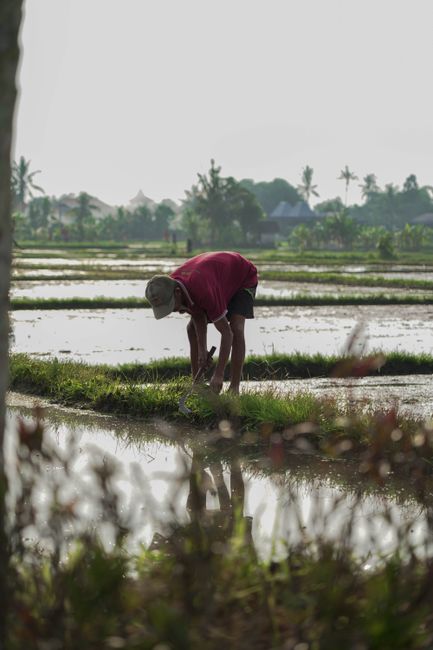
Slow travel in Bali isn't just about personal relaxation—it's about leaving the island better than you found it. The Balinese philosophy of Tri Hita Karana, which emphasizes harmony between people, nature, and the divine, aligns perfectly with sustainable tourism principles. When you commit to slow travel in Bali, you naturally reduce your footprint while deepening your cultural connection. You're no longer rushing between attractions in a private car, generating unnecessary emissions, or supporting exploitative tourism models. Instead, you're settling into a community, spending your money where it matters, and becoming part of the solution to overtourism that has plagued certain parts of the island. The 2026 traveler has more tools than ever to make responsible choices, from eco-certified accommodations to community-based tourism initiatives that directly benefit Balinese families. This section explores how to weave sustainability into every aspect of your extended stay.
Supporting Local Economies and Eco-Friendly Stays
Choosing where to sleep and spend your money is one of the most impactful decisions you'll make during your slow travel in Bali. The island now boasts a growing number of accommodations that prioritize both environmental stewardship and community empowerment, moving far beyond the basic "eco-lodge" label of years past.
Look for properties certified by the Bali Green Tourism initiative or those that transparently report their sustainability practices. Many family-run guesthouses in villages like Munduk, Sidemen, and Penglipuran offer homestay programs where your payment goes directly to local households rather than international hotel chains. These stays often include home-cooked meals made with ingredients from the family garden, giving you an authentic taste of Balinese daily life while ensuring your tourism dollars circulate within the community.
When booking longer stays, prioritize locally-owned villas and guesthouses over large resorts. Platforms like Bali Eco Stay and local booking sites now highlight community-run accommodations that employ village residents, source supplies from nearby markets, and reinvest profits into local infrastructure. In Ubud, several cooperatives have formed where multiple families share resources and rotate guest bookings, ensuring equitable distribution of tourism income.
Dining choices matter equally. Skip the international chain restaurants and seek out warungs run by Balinese families who have been serving traditional recipes for generations. Markets like Ubud's morning pasar offer opportunities to buy directly from farmers and food artisans. For longer stays, consider arranging a weekly meal plan with a local cook—many families welcome the steady income and the chance to share their culinary heritage. This approach to slow travel in Bali transforms every meal into a meaningful cultural exchange while keeping your budget working locally.
Minimizing Environmental Impact While Traveling
Extended stays in Bali come with increased environmental responsibilities, but the island's infrastructure is steadily improving to support conscious travelers. Start with the basics: invest in a high-quality reusable water bottle and utilize the growing network of refill stations. By 2026, Bali's "Refill My Bottle" initiative has expanded dramatically, with thousands of participating businesses across the island offering free or low-cost filtered water refills. This single habit prevents hundreds of plastic bottles from entering Bali's strained waste systems during a multi-month stay.
Transportation choices significantly shape your environmental footprint. For slow travel in Bali, renting a bicycle for local exploration works beautifully in flatter areas like Sanur, Canggu, and around Ubud's outskirts. Monthly scooter rentals remain popular, but in 2026, electric scooter options have finally become viable, with charging stations appearing in major hubs and battery-swap services operating in tourist areas. Apps like Gojek and Grab now include electric vehicle options in their ride-hailing services. When you do need a car for longer journeys, consider shared shuttles or hiring a driver for the day rather than maintaining a private vehicle throughout your stay.
Waste management requires active participation. Many longer-term rentals now provide composting bins and clear recycling instructions. Take time to learn your neighborhood's waste collection schedule and separate accordingly. Several community organizations offer weekly workshops on upcycling and zero-waste living—attending these not only reduces your impact but connects you with like-minded locals and fellow travelers committed to preserving Bali's natural beauty.
Respecting Balinese Customs and Preserving Heritage
Cultural sensitivity transforms slow travel in Bali from a personal retreat into a mutually enriching experience. The Balinese practice a unique form of Hinduism that permeates every aspect of daily life, from the morning offerings placed outside homes and shops to the elaborate temple ceremonies that can fill entire villages with music and processions. Understanding and respecting these traditions isn't optional—it's fundamental to being a welcome guest on the island.
Dress codes matter, particularly when visiting temples or attending ceremonies. Keep a sarong and sash in your daypack at all times—many temples provide them at entrances, but having your own shows preparation and respect. For extended stays, purchasing a quality sarong from a local textile artisan supports traditional weaving communities while ensuring you're always appropriately dressed. Beyond temples, modest dress in villages and during ceremonies demonstrates cultural awareness that Balinese deeply appreciate.
Learn basic Balinese phrases beyond the Indonesian "terima kasih." Simple greetings like "Om Swastiastu" and understanding when to use "Matur Suksma" instead of the Indonesian thank-you signals genuine interest in local culture. Attend a ceremony if invited—ask your guesthouse host about proper etiquette, bring a small offering as a gesture of respect, and observe quietly. The Balinese calendar is filled with temple anniversaries and festivals, and extended stays allow you to experience these authentic celebrations that day-trippers never see.
Support heritage preservation by visiting lesser-known temples and traditional craft villages. Places like Tenganan Pegringsingan, where the ancient double-ikat weaving technique survives, or the silver-working community in Celuk benefit from travelers who take time to understand their crafts rather than rushing through for quick purchases. Book workshops directly with artisans, pay fair prices without aggressive haggling, and share their stories respectfully when you return home. Your slow travel in Bali becomes a force for cultural preservation when you value living traditions over commodified performances.
Practical Tips for Slow Travelers in 2026: Visas, Budget, and Connectivity
Turning the dream of slow travel in Bali into reality requires navigating practical logistics that differ significantly from a short vacation. The good news is that Indonesia has progressively streamlined its visa processes to welcome remote workers and long-stay visitors, recognizing the economic benefits of travelers who settle in for months rather than days. However, regulations do shift, and what worked for someone in 2025 may already be outdated. This section covers everything you need to arrange before departure and manage during your extended stay, from securing the right visa to maintaining a sustainable budget and staying productively connected. With proper planning, the administrative side of slow travel in Bali becomes a minor background task rather than a source of stress.
Visa Options and Long-Stay Requirements for Indonesia
Indonesia's visa landscape has evolved to accommodate the growing slow travel movement, and 2026 offers several viable pathways for extended stays in Bali. The most straightforward option for many travelers remains the Visa on Arrival, which grants 30 days and can be extended once for an additional 30 days without leaving the country. However, for genuine slow travel in Bali, you'll want something longer.
The B211A Visit Visa has become the go-to choice for extended tourism stays. This single-entry visa provides 60 days initially and can be extended twice, each extension granting another 60 days, for a total possible stay of 180 days. You must apply through an Indonesian embassy or consulate before traveling, or use a registered visa agent in Bali if you're already in the country on a different visa. Processing typically takes 7-10 business days, and you'll need a passport with at least six months validity, proof of onward travel, and sufficient funds. Many long-term travelers work with Bali-based visa agencies that handle extensions smoothly for a reasonable fee, saving you multiple trips to immigration offices.
The digital nomad visa, officially called the Second Home Visa, remains available for remote workers who can demonstrate income from outside Indonesia. This option permits stays of up to five years, though it requires more substantial documentation including proof of employment, bank statements, and a commitment to not engage in local employment. For most slow travelers, the B211A offers sufficient flexibility without the bureaucratic complexity.
Budgeting for an Extended Stay: Accommodation, Food, and Activities
Slow travel in Bali can be remarkably affordable or surprisingly expensive depending entirely on your choices. A realistic monthly budget for a comfortable extended stay in 2026 ranges from $800 to $2,500 USD, with the sweet spot for most travelers landing around $1,200 to $1,500. Understanding where your money goes helps you make informed decisions that align with your priorities.
Accommodation represents the largest fixed expense. Monthly villa rentals in less touristy areas like Keramas, Amed, or Lovina start around $300-500 for a simple one-bedroom with kitchen and WiFi. In popular expat areas like Canggu or Seminyak, expect $600-1,200 for similar quality. Ubud offers the widest range, with charming guesthouses available for $400-700 monthly. Always negotiate for monthly rates—the discount compared to nightly pricing can reach 50% or more. Many landlords prefer long-term tenants and will include utilities, weekly cleaning, and scooter parking in the monthly price if you ask.
Food costs vary dramatically. Eating exclusively at local warungs where meals cost $1.50-3 keeps monthly food spending under $200. Mixing local dining with occasional Western-style café meals and cooking at home typically runs $300-500 monthly. Activities and transportation add another $150-300 depending on how much you explore. A monthly scooter rental runs $50-80, while occasional driver hires for longer trips cost $30-50 per day. Temple donations, workshop fees, and wellness activities like yoga classes or massages should be budgeted separately based on your interests. The beauty of slow travel in Bali is that you can adjust your spending week by week, splurging on experiences that matter while keeping daily costs remarkably low.
Staying Connected: Internet, SIM Cards, and Coworking Spaces
Reliable connectivity makes slow travel in Bali viable for remote workers and keeps you in touch with loved ones back home. The island's internet infrastructure has matured significantly, though quality still varies by location. Fiber optic connections are now standard in most tourist areas, with speeds of 30-100 Mbps common in well-equipped accommodations. Before booking a monthly rental, always ask for a speed test screenshot and confirm whether the connection is shared with other units or dedicated.
Getting a local SIM card remains the first task for most arriving travelers. Telkomsel continues to dominate coverage, particularly in rural areas, while XL Axiata offers competitive data packages in urban centers. In 2026, you can purchase and register a tourist SIM at the airport upon arrival—your phone's IMEI must be registered if you plan to use a local SIM beyond 90 days, though tourist SIMs now come with extended validity periods specifically designed for long-stay visitors. Monthly data packages with 50-100 GB run approximately $8-15 USD, and eSIM options have become widely available for newer phones, eliminating the need to swap physical cards.
For those who need dedicated workspace, Bali's coworking scene has diversified beyond the famous hubs. Ubud's Outpost and Hubud (reopened under new management) offer drop-in rates around $5-10 daily or monthly memberships from $100-200. Canggu's Dojo and Tropical Nomad cater to the coastal crowd, while Sanur has emerged as a quieter alternative with several boutique coworking spaces aimed at mature remote workers. Many cafés now offer "work-friendly" sections with reliable WiFi and power outlets, though purchasing food and drinks regularly is expected. The key to productive slow travel in Bali is having backup options—identify at least two reliable workspaces near your accommodation so that internet outages never derail your commitments.
Embracing the Journey: Final Reflections on Slow Travel in Bali
Slow travel in Bali rewires something fundamental in how you experience not just this island, but the act of travel itself. When you release the pressure to see everything, you suddenly discover the richness hiding in plain sight—the elderly woman who places offerings at your street's corner shrine each morning, the rhythm of the village gamelan practice that drifts through your windows at dusk, the way the rice terraces shift from emerald to gold as the harvest approaches. These aren't attractions you can photograph and check off a list. They're patterns of daily life that reveal themselves only to those who stay long enough to notice.
The island has a way of teaching patience to even the most restless spirits. Perhaps it's the heat that slows your walking pace, or the genuine warmth of Balinese smiles that makes you linger in conversations without watching the clock. Maybe it's the ceremonies that seem to pause entire villages, reminding you that human connection and spiritual practice matter more than efficiency. Whatever the mechanism, extended time in Bali tends to recalibrate internal rhythms that modern life has pushed to an unsustainable tempo. You stop counting days and start marking time by the full moon ceremonies, the morning offerings, the afternoon rains that arrive like clockwork during wet season and clear just as reliably.
What you carry home from slow travel in Bali extends far beyond photographs and souvenirs. You carry the memory of being known—by the warung owner who remembers your order, by the neighbor who teaches you to make offerings, by the community that gradually accepts you not as a passing tourist but as someone who chose to stay awhile and learn their ways. You return with a quieter mind and perhaps a deeper understanding that the best travel experiences aren't collected but absorbed, slowly and often imperceptibly, until they become part of who you are. The island will be here, patient as ever, for your return.
Gear for this trip
As an Amazon Associate I earn from qualifying purchases.


No comments:
Post a Comment