
Why Visit Bali in 2026?
Bali in 2026 feels like the island has taken a deep, cleansing breath. The rapid, sometimes chaotic rebound of tourism has matured into a more thoughtful, sustainable rhythm. This isn't the Bali of a decade ago, nor is it the uncertain destination of the early 2020s. It's a place that has recalibrated, offering a blend of ancient spirituality, world-class digital infrastructure, and a fierce commitment to preserving its natural beauty. For a first-timer planning a 7 day itinerary for Bali, there's never been a more rewarding moment to arrive. The energy is vibrant yet balanced, the traffic solutions are smarter, and the focus has shifted from sheer volume to quality experiences. You'll find beach clubs that double as mangrove conservation projects, temples that now require pre-booking to ensure a serene visit, and a palpable local pride in keeping the island magical. Your 7 day itinerary for Bali this year will be defined not just by the places you see, but by the deeper, more respectful connection you feel while seeing them. The infrastructure improvements for the upcoming year have smoothed out many logistical wrinkles, meaning you spend less time in transit and more time with your feet in the sand or your mind in meditation. The island is ready to welcome you with a polished version of its famous warmth, making this the definitive year to experience its transformative power.
What's New for Travelers This Year
A wave of fresh openings and policy changes makes a 2026 visit distinctly exciting. The long-awaited Bali Cultural Center in Klungkung is now fully operational, offering immersive workshops in gamelan music and Balinese dance that go far beyond a tourist show. For your 7 day itinerary for Bali, this adds a profound cultural layer previously hard to access in a single hub. On the sustainability front, the island-wide ban on single-use plastics is now mature and effectively enforced, meaning your beach days are noticeably cleaner. A new digital tourist pass system, integrated with major attractions, allows you to pre-book slots at hotspots like the Uluwatu Temple Kecak dance, eliminating the old crush at the gate. In Canggu, a wave of co-working spaces with wellness studios attached has cemented the area as a haven for creative nomads, while Sanur has unveiled a beautifully landscaped beach promenade that stretches for kilometers, perfect for sunset e-bike rides. These aren't just incremental changes; they represent a collective effort to elevate the visitor experience, ensuring that the Bali you encounter in 2026 is more accessible, cleaner, and culturally richer than ever before.
Best Time to Go for Your 7-Day Trip
Timing is everything when crafting a tight 7 day itinerary for Bali. The island has two primary seasons, and your experience will be dramatically shaped by which one you choose. The dry season, stretching from April to October, is the classic choice. July and August offer postcard-perfect sunshine, ideal for the beach-heavy portions of your 7 day itinerary for Bali, but expect premium prices and crowded surf breaks. The true sweet spot is the shoulder months: May, June, and September. During these months, the weather is brilliantly sunny, the humidity is lower, and the tourist density thins out enough to feel spontaneous. For a first-timer's 7 day itinerary for Bali, late May offers a magical combination of lush green landscapes just after the rains and perfect beach weather. The wet season, from November to March, shouldn't be entirely dismissed. Rain typically comes in heavy, short bursts, often overnight, leaving the days dramatically clear and the jungle impossibly vibrant. This is the secret season for surfers chasing big swells on the east coast. For a cultural-focused 7 day itinerary for Bali centered on Ubud's jungle, the wet season offers a moody, atmospheric beauty and significantly lower accommodation costs, just be prepared to swap a few sunbathing sessions for a spa afternoon listening to the tropical downpour.
Visa and Entry Requirements in 2026
Navigating the entry process is the first step to a smooth 7 day itinerary for Bali. In 2026, Indonesia has streamlined its digital systems significantly. For tourists from most countries, the Visa on Arrival (VoA) remains the standard for stays up to 30 days. However, the process is now almost entirely digitized. It's highly recommended to apply for the electronic Visa on Arrival (e-VoA) through the official Indonesian immigration portal at least two weeks before your flight. This generates a QR code that expedites your passage through the automated gates at Ngurah Rai International Airport, bypassing the long manual queues. The fee remains IDR 500,000, payable online. Crucially, your passport must be valid for at least six months from your arrival date and have a minimum of two blank pages. The mandatory health declaration, a relic of previous years, has been completely removed for 2026. Upon landing, you'll also complete an electronic customs declaration. The single biggest change in 2026 is the enforcement of the Bali Tourist Levy, a one-time fee of IDR 150,000. While it can be paid on arrival, doing it online beforehand saves time and ensures you aren't scrambling for local currency. Always keep a digital and printed copy of your e-VoA, return flight ticket, and accommodation confirmations, as immigration officers may still request to see them. This efficient, pre-processed entry sets a perfectly stress-free tone for your adventure.
How to Get Around Bali Efficiently
Efficiency in transit is the secret ingredient that transforms a rushed checklist into a blissful 7 day itinerary for Bali. The island's geography, with its volcanic spine, deep river gorges, and peninsulas, means that a 30-kilometer journey can take an hour or more. Understanding the transport ecosystem before you land is not optional; it's essential. Your choice of wheels will dictate the rhythm of your entire trip, influencing how many temples you can see before noon and how many sunset cocktails you can realistically chase. The key is to mix and match transport modes based on the chapter of your 7 day itinerary for Bali. A rigid commitment to one method is a recipe for frustration. In the cultural heart of Ubud, walking is often your fastest mode of transit through the central market and palace area. For the coastal stretches of Seminyak and Canggu, two wheels offer a freedom that no air-conditioned car can match. Yet, for the dramatic, distance-devouring leg to Uluwatu or the mountain journey to Besakih, a private car is an air-conditioned sanctuary. Smart travelers use technology to stitch these options together seamlessly, creating a fluid travel experience that maximizes exploration and minimizes time spent staring at Google Maps in frustration. Your 7 day itinerary for Bali will live or die by the logistical choices you make here, so think strategically about how you connect the dots between your jungle retreat, your surf lesson, and your flight home.
Renting a Scooter vs. Hiring a Driver
This is the single most defining transport decision for your 7 day itinerary for Bali. Renting a scooter offers an intoxicating, unfiltered freedom. It costs around IDR 70,000-100,000 per day (roughly $4.50-$6.50 USD), allowing you to spontaneously dart down a narrow rice paddy track or chase a plume of smoke from a distant ceremony. The wind in your face as you crest the hill into Uluwatu is unforgettable. However, the reality for first-timers demands brutal honesty. The traffic in South Bali is dense, chaotic, and operates on an unspoken system of toots and eye contact that takes time to learn. You legally need an International Driving Permit (IDP) endorsed for motorcycles, and without it, any travel insurance claim will be voided, and you face a roadside fine. For a first-time visitor on a 7 day itinerary for Bali, the scooter is best reserved for specific, low-traffic zones like the Ubud outskirts, Nusa Penida (if experienced), or the quiet lanes of Sidemen.
Hiring a private driver, by contrast, is the strategic masterstroke for efficiency. For IDR 600,000-800,000 ($40-$50 USD) for an 8-10 hour day, you get an air-conditioned sanctuary, a de-facto local fixer, and a logistical wizard. A driver doesn't just navigate traffic; they know the back routes, the perfect time to visit a temple to avoid the crowds, and the warung with the best babi guling. For the transfer days in your 7 day itinerary for Bali—like moving from Ubud to Uluwatu with a packed itinerary of stops along the way—a driver turns a stressful travel day into a seamless guided tour. The ideal strategy for a 7 day itinerary for Bali is a hybrid: hire a driver for long-haul transfer days and sightseeing-heavy adventures, and consider renting a scooter for a single day in a quieter area to taste that two-wheeled freedom safely.
Using Ride-Hailing Apps
Ride-hailing apps are a powerful, pocket-sized tool for patching the gaps in your 7 day itinerary for Bali. Gojek and Grab are the dominant platforms, and their utility goes far beyond simple car rides. They are your on-demand solution for short, point-to-point trips within the busy southern districts. Need to hop from your Seminyak villa to a Canggu beach club for sunset? A car will cost you about IDR 50,000. However, the most brilliant feature for a traveler is Gojek's scooter taxi option, GoRide. For a fraction of the car price, a driver will arrive with a helmet for you, weaving through gridlocked traffic at twice the speed. It's the ultimate cheat code for a solo traveler on a tight 7 day itinerary for Bali. Beyond transport, these apps are lifelines. Use them to order food from local warungs straight to your hotel, send packages, or even have a masseuse arrive at your villa. A critical note: due to the powerful local taxi cooperatives in some areas, particularly central Ubud, parts of Seminyak, and the immediate airport perimeter, ride-hailing pick-ups are often geo-blocked. You'll see "no pick-up zone" messages. In these cases, walk a few hundred meters out of the exclusion zone, or use the app to hire a car for a full hour to run multiple errands.
Day Trips and Tour Packages
For the signature, bucket-list experiences that anchor a 7 day itinerary for Bali, organized day trips offer unmatched peace of mind. While independent exploration has its charm, certain excursions are logistically complex and benefit enormously from a professional operator. A day trip to Nusa Penida is the prime example. The fast boat crossings, the steep, rough roads on the island, and the time pressure of seeing Kelingking Beach and Broken Beach in a single day are perfectly handled by a packaged tour. They manage the ferry tickets, coordinate the island drivers, and ensure you don't miss the last boat back. Similarly, a sunrise trek up Mount Batur is a classic element of a 7 day itinerary for Bali that is strictly guide-mandatory. A package includes hotel pick-up in the dead of night, a knowledgeable local guide, headlamps, and a breakfast of eggs cooked in the volcanic steam at the summit. For first-timers, booking these through reputable platforms or your accommodation removes the stress of haggling and unpredictable local transport. These packages aren't about being a passive tourist; they're about efficiently unlocking the island's most challenging-to-reach wonders without letting logistical friction consume your precious vacation time.
Where to Stay in Bali for a 7-Day Trip
Choosing where to lay your head is the architectural blueprint of your entire 7 day itinerary for Bali. The island is deceptively large, and a common first-timer mistake is booking a single base and attempting day trips that bleed hours into traffic. A successful 7 day itinerary for Bali is built around a strategic split stay. Think of it as a relay race, passing the baton between two, or even three, distinct locations. This approach grounds you in the cultural soul of the island for one chapter, then plunges you into its hedonistic beach energy for the finale. Your accommodation isn't just a bed; it's the emotional tone of your trip. Do you want to wake to the sound of gamelan practice drifting through a misty ravine, or to the thump of a deep house track and the smell of sea salt? The island neatly segments itself into experiential zones. The interior offers lush, spiritual seclusion. The southwest coast offers a design-forward, cosmopolitan buzz. The southern peninsula offers dramatic, cliff-edge drama. For a perfectly paced 7 day itinerary for Bali, the golden formula is three nights in the jungle of Ubud, followed by four nights split between the surf and sunset scenes of the coast. This pattern lets you absorb Bali's dual nature without feeling like you're constantly living out of a suitcase. Each region offers a wildly different version of paradise, and selecting the right one for each phase of your journey is the key to falling in love with the island.
Ubud: Jungle Retreats and Rice Field Views
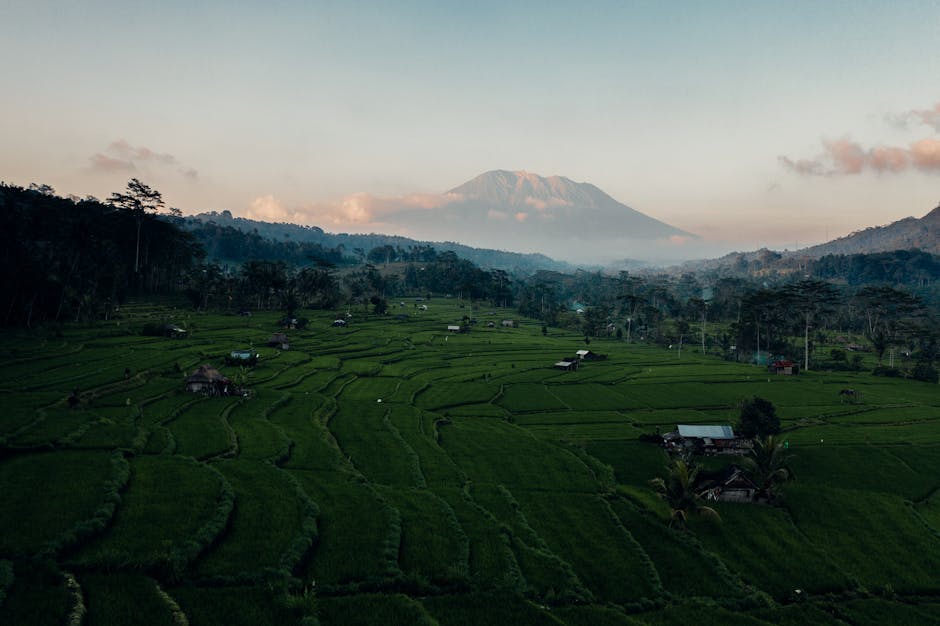
Ubud is the spiritual and cultural anchor of any 7 day itinerary for Bali. Staying here isn't about beach access; it's about immersion in a verdant, creative energy. The accommodation scene is defined by its dramatic topography, with villas and resorts carved into the steep gorges of the Ayung and Wos rivers. For the first-time visitor, the sweet spot is just outside the central hustle, in the villages of Penestanan, Nyuh Kuning, or Sebali. Here, you'll find family-run guesthouses nestled in working rice fields for $30 a night, where your morning walk is a single-track path through emerald paddies. On the higher end, resorts like those along the Sayan Ridge offer infinity pools that seem to float over the jungle canopy, a view so impossibly green it recalibrates your entire nervous system. A key tip for your 7 day itinerary for Bali: choose a stay that allows you to walk to at least a few cafes or the Campuhan Ridge Walk. This gives you the freedom to absorb Ubud's magic on foot without being entirely dependent on transport. The soundtrack here is the rustle of palm fronds, the distant roar of a hidden waterfall, and the nightly chorus of frogs, a profound sensory reset before you continue your journey to the coast.
Seminyak and Canggu: Beach Access and Nightlife
After the jungle, the southwest coast injects a dose of stylish, salty energy into your 7 day itinerary for Bali. While neighbors, Seminyak and Canggu offer distinct flavors. Seminyak is the polished, sophisticated older sister. It's the realm of high-end beach clubs like Ku De Ta, world-class restaurants, and designer boutiques. Accommodation here leans towards luxury villas with private pools and sleek, architect-designed hotels. It's the perfect base for the "foodie and sunset" chapter of your trip. Canggu, just north, is its younger, more bohemian sibling. The vibe is surfer-meets-digital-nomad, with a hipster café culture that rivals any global city. Staying in Batu Bolong places you in the thick of the action, steps from the famous black sand beach and a dense network of co-working spaces and smoothie bowls. For a 7 day itinerary for Bali, Canggu offers incredible value in modern guesthouses and shared villas, and the sense of community is palpable. The key consideration is traffic: the main road connecting these areas is notoriously jammed. Choose your base based on the vibe you crave, and plan to explore the other via a short scooter taxi ride rather than moving hotels. This stretch of coast is where your 7 day itinerary for Bali balances restorative mornings with vibrant, social sunsets.
Uluwatu: Cliffside Stays for Surfers
Perched on the dramatic limestone cliffs of the Bukit Peninsula, Uluwatu offers the visual climax for the final leg of a 7 day itinerary for Bali. This region is defined by verticality; the accommodation isn't on the beach, but soaring above it. The views from a clifftop infinity pool, looking down on impossibly turquoise water and world-class surf breaks, are the images that define Bali on social media. The area is spread out, with distinct pockets like Bingin, Padang Padang, and the central Uluwatu crossroads. Bingin offers a bohemian, castaway charm with simple guesthouses clinging to the cliffside, accessible by winding steps. The central area near Uluwatu Temple provides more polished resorts with easy access to the Kecak dance performance. This is a destination for surfers and dreamers. Accommodation often uses natural materials, with open-air bathrooms and terraces designed purely for watching the Indian Ocean swallow the sun. For your 7 day itinerary for Bali, Uluwatu is the grand finale. It's a place to stay that feels raw and elemental, where the power of the ocean is your constant companion, providing a dramatic, soul-stirring contrast to the gentle jungle of Ubud earlier in your week.

Packing List for a Week in Bali
Packing for a tropical destination like Bali requires a shift in mindset—lightweight fabrics, sun protection, and a respect for local customs are key. For a 7 day itinerary for Bali, you don't need a massive suitcase; a carry-on and a daypack will serve you perfectly. The island's casual vibe means you can leave the formal wear at home, but you'll want to be prepared for both temple visits and beach lounging. The humidity can be intense, so breathable materials like cotton, linen, and bamboo blends are your best friends. Laundry services are incredibly cheap and widely available, so you can easily pack for four days and wash halfway through. This list focuses on versatility, ensuring you're ready for the cultural heart of Ubud and the coastal chic of Seminyak without lugging around unnecessary bulk.
Your color palette should lean towards light neutrals and earth tones, which not only reflect heat but also look stunning against Bali's lush green landscapes and golden sunsets. A sarong is non-negotiable for temple entry, though many sites offer rentals. You'll be doing a lot of walking on uneven surfaces, from rice paddy paths to cliffside steps, so prioritizing comfortable footwear is essential. Remember that Bali operates on island time, and your clothing should match that relaxed rhythm. Think flowy dresses, loose trousers, and easy layers for air-conditioned transfers. Don't stress about having a different outfit for every single occasion; accessories and a change of sandals can transform a simple look from day to night effortlessly.
Essential Clothing and Footwear
Start with four lightweight tops—think cotton t-shirts, breezy blouses, or linen button-downs that transition from temple to cafe seamlessly. Bottoms should include two pairs of loose-fitting trousers or maxi skirts, plus a pair of tailored shorts for beach clubs. A light layer like a cotton cardigan or kimono is vital for sun protection and for covering your shoulders at sacred sites. Swimwear is a given, but pack at least two sets since high humidity means they rarely dry overnight. For footwear, a sturdy pair of walking sandals with good grip is your number one priority for Ubud's steep steps and rice terrace treks. Supplement these with slim flip-flops for the beach and a pair of clean, minimalist sneakers if you plan on doing any serious hiking or gym sessions. A wide-brimmed hat and polarized sunglasses complete your daily armor against the equatorial sun.
Health and Safety Items
Your first line of defense is a high-SPF, reef-safe sunscreen—the Balinese sun is deceptively strong, even on cloudy days, and protecting the marine ecosystem is a must. A potent DEET-based or natural citronella insect repellent is crucial, particularly for evenings in Ubud where mosquitoes are most active. Pack a basic first-aid kit with waterproof band-aids, antiseptic wipes, and activated charcoal tablets for any unexpected stomach upsets. Oral rehydration salts are a lifesaver if you catch a mild bout of Bali belly, helping you recover faster. Any personal prescription medications should be carried in your hand luggage, along with a doctor's note for regulated substances. Hand sanitizer and a pack of tissues are essential, as some public restrooms may lack soap. If you're prone to motion sickness, bring tablets for the winding roads on day trips. Travel insurance that covers scooter accidents and medical evacuation is not an item but an absolute non-negotiable—confirm your policy details before departure.
Tech and Miscellaneous
A universal travel adapter is mandatory since Bali uses European-style two-prong round plugs, often with lower voltage that can slow charging. Bring a high-capacity power bank; you'll be out exploring for long hours on your 7 day itinerary for Bali, and your phone battery will drain quickly with GPS and camera use. A waterproof phone pouch is brilliant for waterfall visits, sudden tropical downpours, and beach days. A reusable water bottle with a built-in filter is a sustainable choice that lets you safely drink tap water, drastically reducing plastic waste. Don't forget a sturdy dry bag for protecting your electronics during boat transfers to islands or beach visits. A microfiber towel is lightweight, dries fast, and is handy for beaches where loungers aren't provided. Finally, a small padlock and a cable lock add an extra layer of security for your luggage and for securing backpacks in busy cafes.
Day-by-Day 7 Day Itinerary for Bali
This carefully crafted 7 day itinerary for Bali balances cultural immersion, natural exploration, and coastal relaxation. It's designed for first-timers who want a taste of the island's diversity without feeling rushed. You'll split your stay between two main bases: the spiritual heartland around Ubud for the first half, and the sun-soaked southern coast for the second. This minimizes transit time and lets you sink deeper into each area's rhythm. Each day has a clear theme, but remains flexible enough for spontaneous discoveries—because in Bali, the unplanned moments often become the most memorable. From ancient temples shrouded in mist to beach clubs pulsing with sunset energy, this week-long journey captures the island's magic. Traffic in Bali is unpredictable, so we've kept daily travel distances manageable, with early starts recommended to beat the heat and crowds.
The itinerary assumes you'll hire a private driver for full-day excursions, which is surprisingly affordable and eliminates the stress of navigating unfamiliar roads. For shorter hops, you can use ride-hailing apps like Gojek or Grab in the southern areas, though they're restricted in some parts of Ubud. Scooter rental is popular but only recommended if you're an experienced rider with an international driving permit and proper insurance. Accommodation suggestions range from serene jungle hideaways to stylish boutique hotels near the action. Dining recommendations are embedded naturally in each day's plan, showcasing everything from local warungs to trendy plant-based cafes. This isn't a rigid checklist—it's a framework for an unforgettable week.
Day 1: Arrival and Ubud Introduction
After landing at Ngurah Rai Airport, meet your pre-booked driver for the roughly 90-minute journey into Ubud's lush embrace. Check into a guesthouse overlooking a river valley or rice paddies, letting the jungle sounds reset your internal clock. Once settled, take a gentle stroll through the Ubud Market area and along Jalan Raya Ubud to get your bearings. Visit the Ubud Palace in the late afternoon when the stone carvings glow in golden light. For dinner, head to a warung for your first taste of authentic nasi campur, a mixed rice plate that introduces you to Indonesia's complex flavors in a single, satisfying meal. End the evening with a traditional Legong dance performance at the palace or a nearby temple, letting the intricate eye movements and gamelan music set a magical tone for your week ahead.
Day 2: Ubud's Temples and Rice Terraces
Rise early and head directly to the Tegallalang Rice Terraces, arriving before 8 AM to experience the iconic green cascades in soft morning light and relative solitude, before the tour buses roll in. Walk down into the terraces on marked paths, leaving a small donation with the local farmers who maintain them. Next, visit Tirta Empul, a holy water temple where you can observe or respectfully participate in the purification ritual alongside Balinese devotees—remember to wear your sarong and sash. Continue to the Gunung Kawi temple complex, an 11th-century archaeological marvel featuring ten rock-cut shrines carved into a cliff face, accessed by a scenic descent through terraced rice fields. On the drive back, stop at a coffee plantation to sample Luwak coffee and herbal teas with a panoramic jungle view. Spend your evening enjoying a relaxed dinner at one of Ubud's celebrated plant-based restaurants, savoring innovative dishes crafted from locally sourced ingredients.
Day 3: Adventure Day – Sunrise Trek or Waterfalls
Set your alarm for the very early hours—around 2 AM—to be picked up for a sunrise trek up Mount Batur, an active volcano. Your guide will lead you up the lava rock trail by flashlight, reaching the summit just as the sky ignites with color over Lake Batur and Mount Agung in the distance, with a simple breakfast of eggs steamed by volcanic vents. If a volcano hike feels too intense, opt instead for a waterfall-hopping morning visiting Tukad Cepung, where light beams cut through a cave-like canyon, and the powerful Tegenungan Waterfall closer to town. After your morning adventure, return to your hotel for a well-deserved poolside recovery session and a massage at a local spa. Your evening is intentionally kept free and quiet, perfect for ordering a nourishing meal and resting your legs after an active day.
Day 4: Transfer to Seminyak and Beach Time
Enjoy a leisurely final Ubud breakfast before your driver picks you up for the scenic drive south, which takes about an hour depending on traffic. Check into your new accommodation in Seminyak, a stylish district known for its sophisticated cocktail bars, designer boutiques, and long stretch of beach. After settling in, walk down to Double Six Beach and rent a beanbag at one of the colorful umbrellas, ordering a fresh young coconut and watching the waves roll in. As the sun begins to dip, head to La Plancha for its famous sunset scene, where beanbag chairs sprawl across the sand and DJs spin chill-out tunes. For dinner, explore Jalan Kayu Aya, known as Eat Street, where you can find everything from high-end Italian to inventive pan-Asian cuisine in beautifully designed spaces. Cap the night with a handcrafted cocktail at a speakeasy tucked away behind an unmarked door.
Day 5: Canggu Exploration and Sunset at Tanah Lot
After a slow morning with excellent coffee at one of Canggu's many hip cafes, wander through the streets decorated with vibrant street art and browse independent boutiques for surf-inspired fashion and handmade ceramics. Continue to the beach and watch surfers tackle the waves at Batu Bolong, or if you're feeling inspired, book a beginner lesson with one of the many surf schools right on the sand. For lunch, choose a healthy smoothie bowl or a hearty grain salad at a plant-forward cafe overlooking the rice fields that still fringe this area. In the mid-afternoon, drive about 45 minutes west to Tanah Lot, Bali's iconic offshore temple perched on a wave-lashed rock formation. Arrive well before sunset to explore the temple grounds and the cultural park, then find a spot on the cliffs to watch the temple silhouette against a fiery sky—a truly cinematic moment. Return to Seminyak for a final dinner at a vibrant night market or a refined restaurant serving modern Indonesian tasting menus.
Continuing Your 7 Day Itinerary for Bali
As your week draws to a close, the final two days of this 7 day itinerary for Bali shift focus to the dramatic southern peninsula and the logistics of departure. This is where the landscape becomes rugged limestone cliffs dropping into impossibly blue water, a stark contrast to the lush greenery of Ubud. The pace here is about soaking in epic coastal views, experiencing a profound cultural performance, and allowing just enough time for last-minute discoveries. You'll be based in the Seminyak area still, which works perfectly as a launchpad for a day trip down to Uluwatu. The key to enjoying these last days is balancing ambition with relaxation—you want to end your trip feeling energized, not exhausted. The optional day trips section also provides a framework for those who might want to extend their stay or swap out certain experiences, ensuring your journey feels personalized.
Many first-timers worry about fitting everything in, but Bali has a way of rewarding quality over quantity. These final days are designed to be flexible, acknowledging that you might be feeling tired after a week of exploration. If you need to sleep in and skip a morning market, do it without guilt. The island's magic isn't just in its checklist of sights, but in the moments of stillness between them—a quiet cup of Bali coffee overlooking the sea, a spontaneous conversation with a local artisan, the feeling of warm sand underfoot. As you move through these last experiences, you'll already be planning your return trip, because Bali has a way of getting under your skin in the best possible way.
Day 6: Uluwatu Cliffs, Kecak Dance, and Seafood
Dedicate your final full day to the Bukit Peninsula, starting with a morning visit to the Uluwatu Temple, an 11th-century sea temple perched 70 meters above the crashing Indian Ocean waves on a sheer cliff edge. Wander the paved pathways along the cliffside, keeping a watchful eye on your belongings—the resident long-tailed macaques are notorious for snatching sunglasses and phones. After exploring, drive to a hidden beach like Padang Padang, accessed through a narrow rock crevice, where you can swim in turquoise water and sunbathe on soft white sand. For lunch, find a local warung serving freshly grilled fish with sambal matah, a raw shallot and lemongrass relish that packs incredible flavor. In the late afternoon, return to Uluwatu to secure a good seat for the famous sunset Kecak fire dance performance, where a circle of bare-chested men chant hypnotically as the Ramayana story unfolds against the backdrop of the sun sinking into the ocean. Finish your day with a casual seafood dinner on Jimbaran Bay, where tables are set directly on the sand and you pick your fresh lobster, prawns, or snapper straight from the display to be grilled over coconut husks, eating by candlelight with your toes in the sand.
Day 7: Last-Minute Shopping and Departure
On your final morning, squeeze in a bit of souvenir shopping depending on your flight time, with Seminyak's boutiques offering a more curated selection of homewares, textiles, and artisan jewelry compared to the tourist markets. For a more traditional market experience, head to Kumbasari Market in Denpasar, but be prepared to haggle with a smile and arrive early before the heat sets in. If your flight is in the evening, book a half-day spa package for a final Balinese massage and flower bath, the perfect way to decompress before a long journey. Enjoy a long, leisurely lunch at a cafe with a view, savoring your last bites of nasi goreng or a dragon fruit smoothie bowl. Ensure you leave for Ngurah Rai Airport at least three hours before your flight, as the traffic from Seminyak to the airport can be slow, and departure queues often take longer than expected. As you settle into your seat on the plane, you'll already have a camera roll full of sunsets and a mental list of everything you'll return to explore next time.
Optional Day Trips from Each Base
If you're extending your stay or want to swap out a day, several remarkable trips are within reach of your two bases. From Ubud, a journey east to Sidemen Valley offers a quieter, more traditional version of Bali's rice terrace landscapes, ideal for a gentle trek through villages where weaving and farming remain the rhythm of life. You could also visit the Besakih Mother Temple on the slopes of Mount Agung, the largest and holiest temple complex on the island, its multi-tiered pagodas framed by volcanic peaks. For a truly early start, consider the Lempuyang Temple, home to the iconic "Gates of Heaven," though be prepared for long queues and the reality that the reflective lake effect is created with a mirror. From Seminyak, an early morning fast boat can whisk you to Nusa Penida for a rugged day trip to see the T-Rex-shaped Kelingking Beach cliff and the stunning Broken Beach natural archway, though this is a very long and bumpy day requiring stamina. A smoother alternative is a trip to Nusa Lembongan, a smaller, more relaxed island where you can snorkel with manta rays in crystal-clear water and explore mangrove forests by kayak. For those who want a slower pace, a day spent exploring the artisan villages around Ubud—Celuk for silver, Mas for wood carving, and Batuan for painting—reveals the deep artistic heritage that pulses beneath Bali's tourism surface.
Bali Food Guide: Must-Try Dishes and Restaurants
A 7 day itinerary for Bali isn't complete without diving deep into the island's culinary scene. Balinese food is a vibrant tapestry of complex spice pastes, fresh coconut milk, and the kind of smoky, charred flavors that only come from a traditional wood-fired kitchen. Unlike the rest of predominantly Muslim Indonesia, Bali’s Hindu heritage means you’ll find succulent roast pig on the menu, alongside countless plant-based offerings that make it a paradise for vegetarians. Eating here is more than just fuel for your adventures; it's a cultural immersion that happens three times a day, whether you're sitting cross-legged on a plastic stool at a street-side stall or settling into a bamboo chair overlooking a rice paddy. The balance of sweet, salty, sour, and spicy is an art form, and the best way to appreciate your journey from Ubud to the coast is through your taste buds. We'll navigate the essential local specialties, the rustic family-run warungs, and the trendy hotspots that have put Bali on the global gastronomic map.
Local Balinese Specialties
Your culinary adventure must begin with the undisputed king of Balinese cuisine: Babi Guling. This is a whole suckling pig, stuffed with a fragrant paste of turmeric, ginger, galangal, lemongrass, and shallots, then slow-roasted on a spit until the skin crackles like glass and the meat turns impossibly tender. The best places, like the legendary Ibu Oka in Ubud, often sell out by early afternoon, so make this a lunch priority. The plate arrives with sliced meat, a square of crispy skin, lawar (a mixture of vegetables, grated coconut, and minced meat), and a blob of spicy sambal that will wake up every cell in your body.
Equally iconic is Bebek Betutu, a ceremonial dish that takes patience to another level. A whole duck is caked in a raw spice paste called base genep, wrapped in betel nut leaves, and slow-cooked in an underground coal pit for up to 24 hours. The result is meat that falls off the bone, infused with smoky, earthy aromas. For a lighter but no less authentic option, look for Sate Lilit. Unlike the skewered satay you find elsewhere, this minced fish or chicken is wrapped around a wide lemongrass stalk, giving each bite a citrusy perfume as it grills. Don't skip the vegetarian staple, Gado-Gado, a colorful medley of blanched vegetables, tofu, and tempeh drenched in a sweet peanut sauce, or the ubiquitous Nasi Campur Bali, a mixed rice plate that lets you sample a little bit of everything—shredded chicken, spicy egg, tempeh, and sambal.
Best Warungs and Cafes in Ubud
Ubud is the spiritual heart of Bali’s food renaissance, where you can eat like royalty for the price of a coffee back home. A warung is a small, family-owned eatery, and Warung Nia is a must-visit for mastering the art of Balinese barbecue. Their mixed satay platter and grilled corn are cooked over coconut husks, filling the air with a sweet smoke that stops passersby in their tracks. For a bowl of the best pork rib soup in town, you have to find the unassuming Warung Gouthe, tucked away in a side alley, serving a rich, peppery broth that has simmered for hours.
The café scene here is equally impressive, often built with sustainability in mind. Zest, with its stunning jungle backdrop, elevates plant-based cuisine to an art form, using ingredients sourced from local permaculture gardens. Don’t miss their jackfruit steak and raw cheesecakes. For coffee aficionados, Seniman Coffee Studio isn't just a caffeine fix; it's an experience. They roast their own beans and serve flights of single-origin brews on a custom wooden paddle, where you rock in a chair designed to slow you down. If you need a garden escape, Clear Café offers a breezy, open-air setting with an extensive menu of smoothies and globally inspired healthy bowls, making it a perfect post-yoga refuel stop.
Seminyak and Canggu Dining Hotspots
As you drift south towards the coast, the food scene shifts from jungle hideaways to sleek, design-forward spaces that rival any global culinary capital. In Seminyak, start your evening at a beachfront institution like La Plancha, where you kick off your sandals to sip a chilled Bintang under a canopy of rainbow umbrellas as the sun melts into the ocean. For something more refined, Merah Putih serves high-end Indonesian cuisine inside a stunning glass-walled building, where the tasting menus take you on a journey through the archipelago without leaving your table.
Canggu, on the other hand, is the land of smoothie bowls and sourdough, but it also hides some serious culinary firepower. You cannot leave without a sunset dinner at The Lawn, perched on the cliffs with an infinity pool view and a menu of fresh seafood platters. For a true local experience amidst the surf-themed cafes, hunt down Warung Bu Mi for authentic, spicy Nasi Campur at a price that seems like a typo. If you’re craving a modern twist, Mason in Canggu serves up house-made sourdough, whipped feta, and Mediterranean-style small plates with a zero-waste ethos, proving that Bali’s dining scene is as conscious as it is delicious.
Budgeting for a 7-Day Bali Trip
Planning the financial side of your 7 day itinerary for Bali is often a pleasant surprise, as the island remains one of the best-value destinations in the world. That said, Bali is a chameleon; it can be an ultra-budget backpacker’s dream or a luxury sanctuary where private pool villas cost less than a standard hotel room in a Western city. The key to budgeting lies in understanding the geographic divides. The price of a coconut drops significantly when you move from a Seminyak beach club to a remote roadside stall in the highlands. Your total spend will largely depend on your tolerance for humid scooter rides versus air-conditioned private cars, and whether your idea of a view is a rice paddy or a curated interior. To help you plan without stress, we've broken down the realistic costs for accommodation, food, and activities so you can focus on the experience, not the receipt.
Accommodation Costs by Area
Your choice of area dictates your budget more than any other factor. In Ubud, you get incredible value; a private bungalow nestled in the jungle with a decent pool can easily be found for $25 to $40 per night. Even high-end wellness resorts with yoga shalas and infinity pools overlooking the Ayung River often range from $100 to $150 per night, which is a steal for the luxury you get. In the southern beach towns, you’re paying a premium for proximity to the waves. In Canggu, a modern guesthouse room starts around $30, while a stylish villa shared with friends can run $80 to $120 total per night. Seminyak is the priciest hub, where boutique hotels with rooftop bars start at $80, and luxury beachfront suites can easily climb to $250 or more. If you’re chasing surf and value on the Bukit Peninsula, like Uluwatu, a clean, basic room with an ocean view cliffside hovers around $35 to $50, though you'll want to budget extra for transport since everything is spread out.
Food and Activity Expenses
Food is where your wallet breathes a sigh of relief, provided you embrace the local cuisine. A generous plate of Nasi Goreng or a bowl of Bakso at a local warung rarely exceeds $2 to $3. Even a famous Babi Guling spot will only set you back about $4 to $5 per person. Mid-range cafes in Ubud and Canggu, serving smoothie bowls and artisanal coffee, will charge Western prices of $5 to $10 per dish. A nice dinner with cocktails at a trendy Seminyak restaurant averages $15 to $25 per person. For activities, a 60-minute Balinese massage is famously affordable at $8 to $12. Temple entrance fees are minimal, usually $2 to $3, but be prepared to pay for a sarong rental if you don't have one. The biggest variable is transport: renting a scooter costs just $5 to $7 a day, but hiring a private driver for a full 10-hour day of sightseeing is a fixed $40 to $50, which is excellent value if you split it between two or three people.
Sample Total Budget Breakdown
Let’s look at a realistic 7-day total for a traveler seeking comfort without extravagance—a private room, a mix of local and Western food, a scooter rental, and a few guided tours. This "flashpacker" sweet spot lands around $550 to $650 for the week, excluding international flights. Accommodation averages $35 a night, totaling $245. Food, if you eat local twice a day and have one nicer meal, averages $15 per day, or $105. A scooter rental with fuel runs about $50 for the week. Activities, including a day of private driving to major temples, a surf lesson, and a few massages, total around $120. If you’re a pure budget backpacker sticking to dorms, street food, and minimal paid activities, you can easily survive on $250 to $300. On the other end, a luxury seeker in private pool villas, dining at fine establishments, and booking daily private drivers should budget $1,500 to $2,000. Remember to always carry cash, as smaller warungs and local markets don't accept cards, and keep a buffer of about $35 for the tourist departure tax if it’s not included in your airline ticket.
Final Thoughts on Your Bali Adventure
Crafting the perfect 7 day itinerary for Bali is less about rigid scheduling and more about finding a rhythm that syncs with the island’s pulse. You’ve traveled from the misty, temple-studded heart of Ubud, where the air smells of frangipani and damp earth, to the dramatic limestone cliffs of Uluwatu, where the Indian Ocean pounds relentlessly against the shore. You’ve tasted smoke-kissed satay from a roadside grill and sipped espresso in a café that looks like an architectural dig into a hill. This is the magic of Bali: it refuses to be just one thing. It is a place of deep, quiet reverence and wild, chaotic traffic jams, of sacred purification rituals and sunsets set to deep-house beats. The beauty of this itinerary is that it gives you the framework to witness all these contradictions without feeling overwhelmed, leaving enough breathing room for the spontaneous moments that will define your trip—the sudden invitation to a local ceremony, the wrong turn that leads to a hidden waterfall, or the decision to simply sit and do nothing but watch a duck waddle through a rice field.
As you pack your bags and prepare to leave, you’ll likely find that Bali has done what it does best: it has gently shifted your perspective. The warmth of the people, the generosity of the culture, and the sheer physical beauty of the landscape have a way of smoothing out the rough edges you arrived with. Whether you came for the waves, the wellness, or simply to escape, you leave with a sense of lightness. The island has an uncanny ability to be exactly what you need it to be. So, as you take that last sip of fresh coconut water and feel the warm, salty breeze one final time before heading to the airport, don't think of it as a goodbye. In Bali, they say you don't really find the island; the island finds you. And once it does, a piece of it stays with you, patiently waiting for your return.
Gear for this trip
- Reef-Safe Sunscreen High SPF
- DEET Insect Repellent Travel Size
- Universal Travel Power Adapter
- Waterproof Phone Pouch
- Filtered Reusable Water Bottle
As an Amazon Associate I earn from qualifying purchases.


No comments:
Post a Comment