Chasing the Cosmic Glow: Why Bio-Bay Tours in Puerto Rico and Neon Caves in Vietnam Belong on Every Adventurer's Bucket List
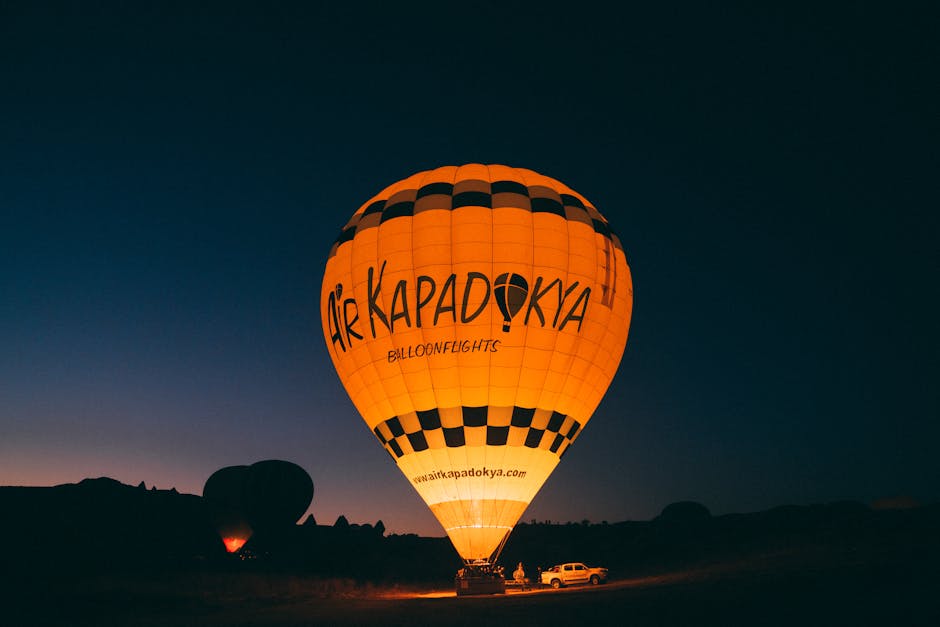
Paddling through a bioluminescent bay feels like flying through a galaxy of stars—every stroke leaves a trail of liquid light.
✈️ Best time to visit: Puerto Rico: Dec–Apr (dry season); Vietnam: Nov–Apr (dry, low humidity)
💰 Estimated budget (daily per person): $80–$200 (mid-range) depending on accommodation and tour costs
⏱️ How long to spend: 4–5 days per destination for a thorough glow-tour experience
🎯 Difficulty level: Easy to Moderate (some kayaking or cave hiking required)
📍 Recommended season: Winter/Spring for both destinations
👥 Best for: Couples, solo travelers, families with older kids, nature photographers
Introduction
I still remember the first time my kayak paddle sliced through the black water of Mosquito Bay in Vieques, Puerto Rico. The blade emerged dripping with what looked like liquid starlight—countless tiny dinoflagellates exploding in bioluminescent fury. I stopped paddling, just staring at my hands, which were glowing faintly like I’d dipped them in fairy dust. That night, lying on my back and watching the Milky Way stretch overhead while the bay shimmered around me, I felt a profound connection to something ancient and wild.
I’ve spent the last eight years traveling to every major bioluminescent destination on the planet—from the Ha Long Bay glow tours in Vietnam to the lesser-known neon caves in Thailand and the luminous lagoons in Jamaica. I’ve kayaked through phytoplankton blooms that turned entire coves into electric blue swimming pools, and I’ve crawled through limestone caves where glowworms created an artificial sky on the ceiling. This article is born from those nights spent standing in dark water, camera in hand, trying to capture what no photo can truly convey.
Here, I’ll take you beyond the Instagram hype and into the real, nitty-gritty details of the two must-visit spots for glow-in-the-dark tours: Puerto Rico’s bioluminescent bays and Vietnam’s neon caves in Phong Nha-Ke Bang National Park. You’ll learn exactly when to go, what it really costs, which tours are worth your money, and the rookie mistakes I wish someone had warned me about. If you’ve ever wanted to see the earth glow from within, let this be your map.
The Essentials at a Glance
- 🌟 Puerto Rico’s Mosquito Bay holds the Guinness World Record for brightest bioluminescent bay, with up to 2,000 dinoflagellates per liter of water—visible even on moonlit nights.
- 🌌 Vietnam’s Hang En Cave (the world’s third-largest) offers a surreal combination of glowing blue pools inside a cavern, accessible only via a multi-day trek through the jungle.
- 🌊 Best glow discipline: Avoid full-moon nights for bioluminescence; book a new-moon tour for maximum darkness and intensity.
- 🔦 Permits are mandatory for Hang En and Son Doong caves—book through Oxalis Adventure at least three months in advance.
The Complete Guide
Why This Matters / Why You Should Go
Glow-in-the-dark tours aren’t just a novelty—they’re a window into ecosystems that operate entirely beyond human perception. In Puerto Rico, the bioluminescent bays are fragile, single-species lagoons where microscopic dinoflagellates produce light through chemical reaction when disturbed. It’s a natural phenomenon that’s vanishing globally due to light pollution and habitat loss. Seeing it in person is like witnessing a living constellation, and it carries the sobering reminder that this magic can disappear if we don’t protect it.
In Vietnam, the neon caves are a different kind of marvel. Deep inside Hang En, where no sunlight reaches, microorganisms and minerals create eerie, glowing pools that look like something from an alien planet. I’ll never forget swimming in a bioluminescent pool 80 meters underground, the water turning electric blue around my legs while stalactites hung like frozen waterfalls above. These caves are remote—you have to backpack through the jungle, wade through rivers, and camp on a sandy beach inside the cave mouth. It’s not a day trip; it’s an expedition. And it rewards you with a perspective shift: you realize the earth is still full of places that feel entirely unexplored.
Who should go? If you love the idea of being humbled by nature, if you’re comfortable with basic camping, and if you want to see something most travelers never will, these destinations are for you. Solo travelers thrive on the Vietnam cave treks—I went alone and made friends around the campfire. Couples will find the bioluminescent kayaking in Puerto Rico incredibly romantic.
When to Visit (Seasonal Guide)
Puerto Rico (Mosquito Bay & Laguna Grande): The dry season from December to April offers calm seas, low cloud cover, and minimal rain—perfect for evening kayak tours. I visited in February and had a perfectly clear sky. The wet season (May–November) can bring afternoon thunderstorms and murkier water, though the bioluminescence can still be strong. Avoid the week of a full moon (the light diminishes the glow intensity by up to 80%). New moon periods are optimal.
Vietnam (Hang En, Phong Nha): The best time is during the dry season from November to April. I trekked in early March, which was ideal: daytime temperatures around 28°C (82°F), cool nights, and low river levels made the cave crossing safe. The rainy season (May–October) floods the cave systems and often forces tour cancellations—don’t risk it.
For both destinations, weekends and holidays bring higher crowds (and higher prices). If you can travel midweek, you’ll have smaller tour groups and more intimate experiences. I did my Hang En tour on a Tuesday/Wednesday and was one of only six people in the group—perfection.
Budget Breakdown
Puerto Rico (3-night bioluminescence-focused stay):
- Accommodation: Low ($40/night, hostels in Fajardo); Mid ($100/night, Vieques guesthouses); High ($250+/night, beachfront hotels)
- Kayak tour (Mosquito Bay): $55–75 per person (2 hours, includes guide and gear)
- Food: $15–30/day for local meals (mofongo, empanadas, fresh fish)
- Flight from mainland US: $200–400 round trip
- Daily total (mid-range budget): ~$120–150/day per person
- Money-saving tip: Stay in Fajardo and take a day trip to Vieques by public ferry ($2 each way) instead of booking a pricey Vieques hotel.
Vietnam (Hang En 2-day/1-night trek):
- Oxalis tour fee: ~$330 per person (all-inclusive: gear, meals, guide, camping, permits)
- Accommodation in Phong Nha (2 nights): Low ($8/night, dorm); Mid ($30/night, homestay); High ($80/night, resort)
- Flights to Dong Hoi from Hanoi: $60–100 round trip
- Food in town: $5–10/day for street food (pho, banh mi, rice dishes)
- Daily total excl. tour: ~$30–50/day
- Money-saving tip: Skip Hanoi’s expensive tours—book directly with Oxalis in Phong Nha to avoid agency markups.
Getting There & Getting Around
Puerto Rico: Fly into San Juan (SJU) from most US hubs. From there, rent a car (about $35/day) to reach Fajardo (45 minutes east) for the ferry to Vieques. The public ferry from Ceiba (the new terminal) costs $2 and takes 30 minutes. Alternatively, book a shared shuttle from San Juan ($35 per person). Once on Vieques, rent a golf cart ($40/day) to get around—the island is small and taxis are unreliable. For Laguna Grande (another bioluminescent bay near Fajardo), drive to the Las Croabas neighborhood and join a guided kayak tour; no ferry needed.
Vietnam: Fly into Hanoi, then take a 1-hour flight to Dong Hoi (Vietjet or Bamboo Airways are budget-friendly). From Dong Hoi, Oxalis Adventure provides a complimentary shuttle to Phong Nha (45 minutes). The cave trek starts from the Oxalis base camp—they handle all transport from there. For independent exploration of Phong Nha town, rent a scooter ($5–8/day) or bike. Roads are well-paved but windy; I recommend a scooter for the freedom to visit the Paradise Cave and Dark Cave on your own schedule.
Top Recommendations / Must-Do Activities
1. Mosquito Bay Night Kayak Tour (Vieques, Puerto Rico)
This is the non-negotiable highlight. I booked with Kayak Puerto Rico and our guide, Carlos, led us through the mangrove channels as the sun set. The bay is eerily quiet—only the sound of paddles and the occasional gasp as a fish shoots past like a comet. The dinoflagellates here are so dense that even slow movements create a shimmer. Pro tip: bring a dry bag and a red-light headlamp (white light kills the glow effect). The tour cost $60 and lasted 2.5 hours. Downside: the kayaks are basic, and your back might ache. Still, worth every penny.
2. Hang En Cave Expedition (Phong Nha, Vietnam)
I’ve done dozens of cave tours, and this one tops them all. The trek starts with a 5-hour jungle hike (moderate difficulty, muddy but manageable). You cross a river three times—water up to your waist—before reaching the cave entrance. Inside, the bioluminescent pool appears around kilometer 2; you swim in it, and your entire body glows blue. Camping overnight inside the cave on a sandy beach is surreal—the ceiling is 140 meters high, and you can see stalactites by headlamp. Oxalis guides are world-class; they ensured safety, told local legends, and cooked incredible Vietnamese meals. Note: you must be reasonably fit. The total cost was $330, which felt like a steal for a private, once-in-a-lifetime experience.
3. Laguna Grande Bio-Bay Tour (Puerto Rico)
If Vieques is too far, Laguna Grande in Fajardo is an excellent alternative. I did a sunset-to-night combo with a local company—paddling through a mangrove canal into the main lagoon. The bioluminescence is less intense than Mosquito Bay (about 700 dinoflagellates per liter versus 2000), but the mangrove ecosystem is gorgeous, and the tour is shorter (1.5 hours) and cheaper ($45). Best for families with older kids or anyone with limited time.
4. Paradise Cave & Dark Cave Combo (Vietnam)
Not strictly “glow-in-the-dark,” but these caves near Phong Nha have sections so dark that your eyes adjust and you see faint blue-green luminescence from mineral deposits. The zipline into Dark Cave (followed by a mud bath and river swim) is a blast—just don’t expect the same level of bioluminescence as Hang En. These are great add-ons if you have an extra day.
Traveler’s Pro Tips
Tip 1: Master the red-light headlamp. In both Puerto Rico and Vietnam, white light kills the natural glow effect immediately. Buy a headlamp with a red-light mode (around $15 on Amazon) and use it exclusively during your glow tour. I learned this the hard way on my first trip—my phone flashlight ruined 10 minutes of the experience before the guide corrected me.
Tip 2: Pack a cheap GoPro or waterproof phone case. The glow is almost impossible to capture with standard cameras, but a GoPro with manual settings (ISO 3200, shutter 10 seconds, f/2.8) can get hazy but magical shots. Alternatively, just put your phone in a waterproof case and use the “Night” mode—then hold it underwater. I got a few decent clips in Hang En this way.
Tip 3: Book your Vietnam cave tour at least 3–4 months ahead. Oxalis limits group sizes to 10 people for Hang En. During peak season (Nov–Apr), spots fill up weeks in advance. I booked in October for a March trek and got the last two spots. Don’t assume you can walk in.
Tip 4: Wear lightweight, quick-dry clothing for both destinations. In Puerto Rico, you’ll get splashed in the kayak; in Vietnam, you’ll swim inside the cave. Avoid cotton. I wore a thin longsleeve rash guard and hiking shorts—dried within 30 minutes after the swim.
Tip 5: Carry cash in small denominations. In Vieques, many tour operators and golf cart rentals only accept cash. In Phong Nha, ATMs are scarce outside of town. I got stuck without cash for a taxi deal and had to pay triple via card.
Common Mistakes to Avoid
Mistake 1: Booking a full-moon tour. I once booked a bio-bay tour in Puerto Rico on a whim during a full moon. The bay was beautiful, but the glow was faint and disappointing—the moonlight washed out the dinoflagellates. Solution: check lunar calendars online and deliberately book during the new moon or a sliver moon. The difference is night and day (literally).
Mistake 2: Underestimating the Vietnam trek difficulty. I saw a traveler on my Hang En trek who wore denim shorts and sneakers. By the third river crossing, she was miserable, wet, and developing blisters. This trek involves 10+ miles of hiking, swimming in cold water, and slippery limestone. Consequence: she almost turned back. Avoid by packing proper trekking sandals (Chacos or Tevas) and synthetic clothing.
Mistake 3: Skipping insect repellent in Puerto Rico. The mangroves around Mosquito Bay are, ironically, full of mosquitoes. I got bitten badly on my first visit—the bites itched for days, and I couldn’t sleep. Bring DEET-based repellent (30% minimum) and reapply after you get out of the kayak.
Mistake 4: Not checking if your tour company is eco-certified. Some operators in Puerto Rico use motorboats or allow sunscreen into the water, which kills the dinoflagellates. Always ask if they use kayaks and require guests to wear only biodegradable sunscreen. I always check for Blue Flag or Travel Sustainable certifications.
Your Travel Checklist
Documents: Valid passport (6 months+), printed tour confirmations, travel insurance (recommended for Vietnam cave treks), emergency contact list.
Packing: Red-light headlamp (essential), waterproof phone case or GoPro, quick-dry clothes (no cotton), reef-safe biodegradable sunscreen, insect repellent with DEET, water shoes or trekking sandals, dry bag (10–15L), lightweight long sleeve shirt (for sun and mosquitoes), cash in small bills (USD for Puerto Rico, VND for Vietnam).
Research & Booking: Check lunar calendar before booking, confirm moon phase on your tour date, read recent reviews on TripAdvisor or Google (focus on photos from the last 6 months), book oxalis adventure direct (for Vietnam).
Health & Safety: Check tetanus and hepatitis A vaccines (recommended for Vietnam), pack anti-diarrheal meds (Imodium), bring antihistamines (for bug bites), ensure you can swim for the Hang En trek.
Local Currency & Apps: Puerto Rico uses US dollars; Vietnam uses Vietnamese Dong. Download offline maps (Google Maps or Maps.me) and a translation app (Google Translate).
Traveler FAQ
Q: Is bioluminescence visible every night in Puerto Rico?
A: Yes, it occurs year-round, but intensity varies. The glow is always present because the dinoflagellates are permanent residents of the bays. However, you’ll see it best on moonless nights—aim for a new moon or, at the latest, a quarter moon. Cloudy nights also help because they block ambient light.
Q: Are glow-in-the-dark cave tours in Vietnam safe?
A: Absolutely, with professional operators like Oxalis. They provide life jackets, helmets, headlamps, and swimming floats. You always have a certified guide who knows the cave’s water levels. That said, you need to be a competent swimmer for the Hang En trek—the bioluminescent pool is deep (about 4–5 meters) and cold. Don’t attempt if you have a fear of tight spaces or heights (you climb ladders inside the cave).
Q: Can I see bioluminescence without taking a tour?
A: No. In both destinations, the sensitive ecosystems require guided access. Puerto Rico’s bio-bays are protected natural reserves—you cannot kayak independently. In Vietnam, Hang En is inside a national park and permits are issued only through Oxalis. Trust me, the guides add so much knowledge that a tour is worth the cost.
Q: What’s the best time of year for bioluminescence in Vietnam’s caves?
A: The dry season, from November to April. I went in March and saw the strongest glow because the water was clear and still. During rainy season (May–October), the caves flood and the water is murky, which dilutes the bioluminescent effect. Also, Oxalis suspends tours during heavy rain for safety.
Q: Can I take good photos of the glow?
A: It’s tricky but not impossible. The bioluminescence is low-light by nature. I used a GoPro Hero 10 set to Night Photo mode (ISO 3200, shutter 15 seconds) propped on a rock (no tripod allowed inside the cave). The results were grainy but beautiful. For Puerto Rico, some tour guides carry professional cameras and sell you prints for $20—contact them in advance if you want high-quality shots.
Ready for Your Adventure?
I’ll be honest: when you plunge your hand into a glowing pool and watch your fingertips turn electric blue, it feels like stepping into a dream you never knew you had. These moments—on a kayak in the middle of a dark bay with stars above and below, or inside a giant cave swimming through liquid light—don’t just make for great travel stories. They recalibrate how you see the natural world. You realize that even in our mapped, over-photographed age, the earth still holds secrets that can only be experienced, never captured.
I know the hesitation: “Is it worth the cost?” “Will I be tired?” “What if it’s not as bright as the videos?” Yes, it’s worth it. Yes, you will be tired—but in that satisfied, bone-deep way. And the glow? It’s brighter than any screen can show you.
So pick a date during a new moon. Book that flight. Join a small group. And let the dark water teach you something new. Your next great memory is waiting in the dark.


No comments:
Post a Comment