Why Volunteering Through Workaway Will Transform How You See the World – And Save You a Fortune
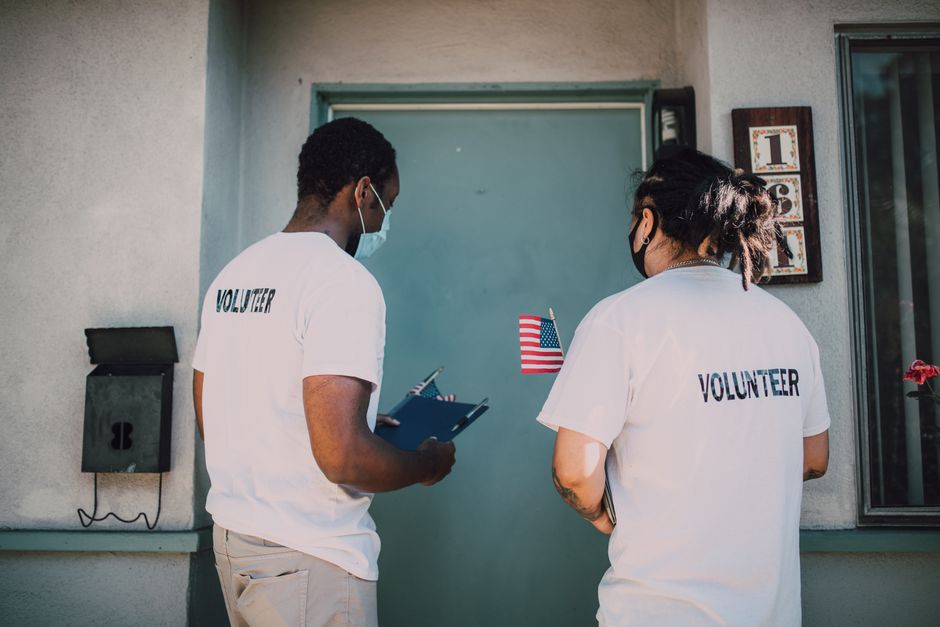
A volunteer at a farm sanctuary in Portugal – one of thousands of Workaway experiences that offer free room and board in exchange for meaningful work.
✈️ Best time to visit: Year-round (depends on host region)
💰 Estimated budget range: $15–$35/day (personal expenses only, as room and board are free)
⏱️ How long to spend: 2–4 weeks per host (typical minimum stay)
🎯 Difficulty level: Easy to moderate (depends on physical work)
📍 Recommended season: Spring and fall for mild weather and fewer tourists
👥 Best for: Solo travelers, couples, digital nomads, and budget-conscious adventurers
I remember the moment clearly. I was standing in a muddy paddock in the south of France, holding a bottle of milk for a newborn goat named Clémentine. The sun was just breaking over the hills, and I was wearing boots borrowed from a retired English teacher who had been living here for three years. I had paid zero euros for my room and all my meals for the past two weeks. That morning, I realized Workaway wasn’t just a cheap way to travel – it was an entirely different lens through which to see a place. You aren’t a tourist passing through; you are a temporary local, trusted with a key to the house, a list of daily chores, and stories that no guidebook can offer.
I’ve been using Workaway for four years, across twelve countries and more than twenty hosts. I’ve renovated a stone cottage in Ireland, taught English to children in a rural Costa Rican school, helped prune olive trees in Tuscany, and cared for rescued parrots in Thailand. I’ve made mistakes too – showing up unprepared, overcommitting, and once ending up on a remote island with no Wi-Fi and a host who expected 10-hour days. Through it all, I learned what works, what doesn’t, and how to do volunteer travel ethically. This guide is built on those real experiences, not just glossy promises. You’ll learn exactly how Workaway works, how to pick a great host, what your budget really looks like, and how to avoid the pitfalls that I stumbled into.
The Essentials at a Glance
- 🛏️ Free room and board is real – but it’s an exchange of labor, not a free vacation. You typically work 4–5 hours a day, five days a week.
- 🌍 Choose hosts with clear reviews – Read at least five recent feedback entries from other volunteers. Look for mentions of fair hours, good food, and comfortable accommodation.
- 💬 Always confirm expectations before arriving – Ask about work hours, days off, food provided, internet speed, and sleeping arrangements. A quick video call can save you from a nightmare stay.
- 🤝 Ethics matter – Avoid hosts who treat volunteers as cheap labor. A good host shares meals with you, respects your time off, and values cultural exchange over productivity.
The Complete Guide
Why This Matters / Why You Should Go
Let’s be honest: Travel is expensive. A two-week trip to Europe can easily cost $2,000–$3,000 once you factor in flights, accommodation, food, and transport. Workaway tears that cost structure apart. You still pay for your flight and personal expenses (about $15–$35 per day depending on the country), but your accommodation and most meals are free. That’s a 60–70% savings compared to standard backpacking. But the money is only one reason. The deeper value is immersion. When you live with a host family in a small village in Nepal, you don’t just see temples – you learn how to cook dal bhat, you join the neighbor’s wedding, you hear stories about the civil war over chai. You become part of a community, even for a short while.
This matters especially now, when many travelers feel disconnected from the places they visit. It’s easy to scroll Instagram and see curated shots of beaches and landmarks. Workaway forces you into the uncurated reality: the leaky roof that needs patching, the goat that gave birth at 3 AM, the host who cries when you leave. That rawness is the point. You also gain tangible skills – gardening, building, childcare, animal care, cooking – that you can carry into future travels or even your career. Who is it for? Solo travelers who want built-in community. Couples looking to slow-travel affordably. Digital nomads who need a quiet place to work with free Wi-Fi (though you must confirm this beforehand). Even families have used Workaway to live on farms in New Zealand. It’s not for everyone: if you need luxury, privacy, or a fixed itinerary, this isn’t your style. But if you want your travel to mean something beyond a stamp in your passport, Workaway will deliver.
When to Visit (Seasonal Guide)
Workaway operates year-round because hosts exist in all climates, but the experience varies wildly by season. My advice: Start with spring or autumn. In Europe, April–June and September–October offer mild weather, fewer tourists, and the joy of seeing farms come alive (spring lambing, autumn harvests). I once spent May on a Hungarian vineyard – the days were warm, the nights cool, and I helped bottle last year’s wine while the cherry trees bloomed. Crowds were negligible, and the host had more time to teach me things.
Summer (June–August) is the busiest volunteer season – hosts are flooded with applications, and you’ll need to book months ahead. The upside: longer daylight hours (great for outdoor projects) and chances to join local festivals. The downside: heat can make physical work brutal, and popular hostels in tourist hubs are often overwhelmed. I did a summer stint at a hostel in Barcelona – the energy was electric, but I shared a room with twelve other volunteers and barely had a moment alone. Winter (November–February) is ideal for tropical destinations like Costa Rica, Thailand, or southern Spain. You’ll find fewer volunteers available, so you can often negotiate longer stays. The risk: some hosts in cold climates reduce operations, and outdoor work (farming, building) becomes harder. I once did a December Workaway in the Irish countryside – beautiful, but I chopped wood for hours just to stay warm.
Budget Breakdown
Let’s get into real numbers. I’ll use a two-week stay in rural Portugal as my example, because it’s a common first-time Workaway destination. Remember: your biggest costs are already covered.
Accommodation: $0. Your host provides a private or shared room. Expect basics – a bed, a desk, sometimes a shared bathroom. I once slept in a yurt in Portugal’s Alentejo region; it was magical, but there was no hot water. Always ask.
Food: $0–$7/day. Most hosts provide all meals, including staples like rice, pasta, vegetables, and eggs. But you’ll want snacks, coffee outside the house, or a meal in town. Budget about $5–$7 per day for extras. In Portugal, a pastel de nata and coffee costs €2.50.
Activities: $5–$15/day. On your days off, you might hike a nearby trail (free), take a bus to a historic town ($5 round trip), or join a wine tasting ($15). I spent one Sunday exploring the medieval village of Monsaraz for exactly €0 – walking is free.
Transport to host: Varies wildly. From Lisbon, a bus to the Alentejo region costs about €15 one-way. Then a local bus or host pickup may add €5–€10. My total transport for getting to and from the host was €40.
Total daily expenses: Approximately $15–$25 per day for two weeks in Portugal. That’s about $280–$350 for the whole stay, plus your flight. Compare that to typical backpacking in Portugal ($60–$80/day), and you’re saving $700–$900 for the same period.
Money-saving tips: Cook with your host – share local recipes and save on eating out. Use buses instead of trains in Europe; they’re 40% cheaper. Buy snacks at local markets, not tourist shops. And always confirm if your host provides toiletries and laundry – mine didn’t, and that cost me an extra €15 for a week’s worth of soap and washing.
Getting There & Getting Around
Most Workaway hosts are in rural areas, which means the last mile can be tricky. Plan carefully. To reach that Portuguese farm, I flew into Lisbon Portela Airport (LIS). From there, I took the metro to Sete Rios bus station (€2.50), then a Rede Expressos bus to Évora (€15, 1.5 hours). The host met me at the bus station – always arrange this in advance. If your host is truly remote, you may need to take a local bus or taxicab from the nearest town. A taxi in rural Portugal costs about €1.50 per kilometer; a 10-km ride is €15. Some hosts will pick you up for free if you ask nicely, especially if you’re staying at least two weeks.
Getting around once you’re there depends on the host. On farm stays, you’ll walk or bicycle. I borrowed a rusty bike from my host to reach the village market – it took 20 minutes each way. For day trips, check if your host can drop you at a bus stop or train station. Some Workawayers rent a car together; splitting a rental for a week can cost as little as $30 per person. My go-to tip: download offline maps (Google Maps or Maps.me) before you arrive, because rural areas have spotty mobile data. I once spent an hour lost on a dirt road in Croatia because I assumed I’d have signal. I did not.
Top Recommendations / Must-Do Activities
While your daily life revolves around helping your host, you’ll have days off to explore. Here are three experiences I’ll never forget, plus how to make them yours.
1. Morning chores at a farm sanctuary (Alentejo, Portugal): I volunteered at a sanctuary for abandoned donkeys and goats. Every morning, I’d feed the animals, clean stalls, and check for injuries. The work was physical and often dirty – I stepped in plenty of manure – but the gratitude from the animals was real. The sanctuary owner, a retired veterinarian, taught me how to trim hooves and give basic health checks. On my day off, I hiked to a nearby cork oak forest (free, 30-minute walk). Insider tip: Wear sturdy rubber boots and a waterproof apron. I wore sneakers my first day; they were ruined.
2. Renovating a traditional stone cottage (rural Ireland): For three weeks, I helped a retired couple restore a 200-year-old cottage in County Kerry. My job included mixing lime mortar, repointing walls, and sanding wooden beams. The work was slow and precise – definitely not for anyone in a hurry. But the reward was sitting by the peat fire every evening, drinking tea, and hearing stories of old Ireland. On my day off, I drove (with their car) to the Ring of Kerry – stunning cliffs and wild Atlantic views. Insider tip: Bring thick work gloves and thermal layers. The cold and damp seep into your bones. I had to buy a cheap fleece at a local charity shop (€5).
3. Helping at a hostel in the Costa Rican jungle (Puerto Viejo): This was wildly different: fast-paced, social, and chaotic. I helped with morning breakfast service, cleaning rooms, and leading guests on a short nature walk. The work was 5 hours a day, but it never felt like work because I was surrounded by toucans, howler monkeys, and other volunteers from around the world. On my day off, I walked to the beach (10 minutes) and swam in warm Caribbean waves. Insider tip: Hostel Workaways are great for meeting people, but you’ll have less downtime. Also, confirm the sleeping arrangement – I slept in a dorm with six other volunteers, which meant earplugs and an eye mask were essential. The downside: the energy can be exhausting if you need quiet. I loved it for two weeks but would not stay longer.
Traveler’s Pro Tips
- Tip 1: Always schedule a video call before accepting. Text messages and profiles can be misleading. I once accepted a host who wrote “private room” in their profile – it turned out to be a partitioned corner of a living room with no door. A 10-minute video call would have revealed that. Ask to see your sleeping space, the kitchen, and the bathroom.
- Tip 2: Pack a small bag of unique gifts from home. A box of local tea, a postcard from your city, or a small jar of honey. In Japan, I gave my host family a bottle of New Zealand Manuka honey; they were thrilled and cooked special meals for me all week. Gifts build goodwill and show respect.
- Tip 3: Negotiate your schedule on arrival, not after. On the first day, sit down with your host and agree on exact work hours, days off, and meal times. Write it down or type it into your phone. I skipped this in Italy and ended up working seven days straight because the host kept saying “just one more hour.”
- Tip 4: Bring a small bag of medications and first-aid basics. Rural areas often lack pharmacies. I developed a severe allergic reaction to something on a Thai farm – the nearest clinic was two hours away. Now I carry antihistamines, antiseptic cream, bandages, and painkillers. It weighs nothing and saved me many times.
- Tip 5: Have a backup plan for your first night. Sometimes hosts cancel last minute or you dislike the situation on arrival. I always note the nearest hostel or budget hotel within 20 km of the host. In the worst-case scenario, you can leave and still have a safe bed. I once had to use this plan in rural Spain – a host’s profile was dishonest about the work required, and I left after one night. Having that backup saved my trip.
Common Mistakes to Avoid
- Mistake 1: Overcommitting to a long stay without visiting first. I once signed up for a one-month Workaway on a horse ranch in Romania based on glowing reviews. By day three, I realized the owner was rude, the work was nine hours a day, and the food was sparse. I felt trapped. The solution: start with a two-week stay. If you love it, extend. Most hosts prefer volunteers who commit to at least two weeks but are flexible for longer.
- Mistake 2: Not reading between the lines of reviews. A host may have five-star reviews, but read them carefully. Look for phrases like “the work was fair” (code for “it was hard”) or “basic accommodation” (code for “bring your own pillow”). I ignore any host with fewer than five reviews – it’s too risky. Also, check the reviewers’ profiles: if all are first-time Workawayers with one review each, the feedback may not be reliable.
- Mistake 3: Assuming you’ll have constant internet access. Many rural hosts have slow or no Wi-Fi. I learned this the hard way in a remote valley in the Azores – my work required me to be online for a few hours each day, and the host’s internet was only available near the kitchen. I had to work at 5 AM to get a signal. Now I ask hosts to run a speed test on their Wi-Fi and send me a screenshot. It takes two minutes and saves headaches.
- Mistake 4: Forgetting about travel insurance. Workaway does not provide insurance. I once fell from a ladder while painting a barn (I was fine, just a bruised ego). But if I had broken a bone, the medical costs would have been mine. I now have a policy that covers volunteering activities (many standard policies exclude “manual labor”). Check with World Nomads or SafetyWing – they explicitly cover Workaway-style exchanges.
Your Travel Checklist
- Documents: Valid passport (with 6+ months validity), printed host address and contact info, printed confirmation of your Workaway profile, travel insurance documents, emergency contacts.
- Packing: Work gloves, sturdy closed-toe shoes (waterproof if possible), a reusable water bottle, towel and quick-dry clothes, earplugs and eye mask, a power bank, a small gift for your host, basic medications (antihistamines, painkillers, antiseptic cream, insect repellent, sunscreen).
- Research: Read at least 5 recent reviews of your host, check the area’s food and transport options, download offline maps, learn 15 basic phrases in the local language.
- Bookings: Confirm your flight and transport to the host’s location, optionally book a refundable hostel for your first night (just in case), notify your bank of travel plans.
- Health/Safety: Check if you need vaccinations (CDC travel website), bring any prescription medications (with copies of prescriptions), know the location of the nearest hospital or clinic from your host.
- Local Currency: Withdraw enough cash for at least 3 days of personal expenses (cards may not work in rural areas), note the local exchange rate, keep coins for buses or small purchases.
- Apps: Workaway app for messaging, Maps.me for offline navigation, XE Currency for exchange rates, WhatsApp for international communication.
Traveler FAQ
Q: Can I really travel for free with Workaway?
A: Not completely free – you still pay for your flight, personal expenses (about $15–$35/day), and travel to/from the host. But your accommodation and most meals are covered. In practice, I’ve spent as little as $600 for a month in Southeast Asia, including flights from Europe. It’s the cheapest way to travel long-term, but you do work for it.
Q: How do I find a good host? What should I look for?
A: Look for hosts with at least 10 reviews that are detailed and recent (within the past year). Avoid profiles with only generic praise like “great experience.” Read between the lines: if multiple reviews mention “hard work” or “basic accommodation,” expect that. I also filter by “favorite” ratings – hosts that other volunteers book again are usually solid. Always message hosts first and ask specific questions about work hours, days off, food, internet, and sleeping arrangements.
Q: Is Workaway ethical? Am I exploiting free labor?
A: It can be, if mismanaged. Ethical Workaway relies on a fair exchange: you offer 4–5 hours of work per day in return for free accommodation and food. The problem arises when hosts demand 8–10 hours or treat volunteers as cleaners without cultural exchange. To stay ethical, choose hosts who share meals with you, include you in family activities, and respect your time off. Read reviews for red flags. I have left a host after one night when it felt exploitative – trust your gut.
Q: What if I don’t like the work or the host? Can I leave?
A: Yes, you can leave at any time, but be diplomatic. If the situation is unsafe or dishonest, leave immediately and report the host to Workaway. If it’s just uncomfortable, try communicating first – I once told a host that the work hours were longer than agreed, and she reduced them. If you must leave, give a polite notice (24 hours is standard) and go to your backup accommodation. Always have enough money for a bus or taxi to the nearest town.
Q: Do I need previous experience or special skills?
A: Not for most hosts. Many simply ask for a positive attitude, willingness to learn, and a basic level of fitness. I had zero farming experience before my first Workaway – I learned on the job. However, if you have a skill (teaching, building, cooking, childcare, photography), mention it in your application. You’ll get more responses. Some hosts require specific skills (e.g., veterinary knowledge for a sanctuary), so read the profile carefully.
Ready for Your Adventure?
Workaway changed how I travel, not because it’s cheap – though it is – but because it replaces distance with closeness. You don’t just see a place; you live inside its daily rhythms. You learn the names of the goats, the way the host takes their coffee, the shortcuts through the back field that no tourist ever finds. Yes, there will be hard days – mornings when you’re tired, dirty, and wondering why you’re scrubbing a floor in a foreign country. But those days are outweighed by the evenings when you share a meal with people from three continents, laughing over a language barrier, and realizing that this is what travel was supposed to be all along. If you’ve been hesitating, let this be your push. Sign up for Workaway. Message a host that excites you. Pack a small bag and a big sense of humor – you’ll need both. The world is waiting, and it will welcome you not as a guest, but as a helper.


No comments:
Post a Comment