
In This Article
- Understanding Motorcycle Shipping: Key Options and Costs
- How to Vet International Motorcycle Shipping Companies
- Step-by-Step Preparation: Getting Your Bike Ready for Overseas Transport
- Navigating Customs and Import Regulations for Your Motorcycle
- Insurance and Liability: Protecting Your Bike During Transit
- Real-Life Cost Breakdown: Shipping a Motorcycle from the US to Popular Destinations
- Post-Arrival: Picking Up Your Motorcycle and Final Checks
- Final Thoughts: Shipping Your Motorcycle with Confidence
Understanding Motorcycle Shipping: Key Options and Costs
When you decide to ship motorcycle overseas, the first step is understanding that you are not just paying for transportation. You are paying for security, timing, and the peace of mind that your bike arrives in the same condition it left. The method you choose will drastically affect your quote, your delivery window, and how you prepare the bike.
There are three main ways to move a bike across an ocean: container shipping, Roll-on/Roll-off (RoRo), and air freight. Each has a distinct profile regarding cost, security, and convenience. Choosing the wrong one for your situation is the most common way riders overpay or end up with damaged machines.
Before requesting quotes, you need to decide if you are optimizing for budget or for speed. If you are relocating permanently, you might tolerate a slower boat. If you are flying to a rally or a tour, you need the bike to arrive on a specific date. These priorities will dictate which of the following options fits best.
Container Shipping vs. Roll-On/Roll-Off (RoRo)
Container shipping means your motorcycle is loaded into a shared or dedicated steel shipping container. It is usually secured to a wooden pallet or crate inside. This method offers the highest level of protection from weather and theft because the bike is locked away and hidden from view.
RoRo, by contrast, involves riding the motorcycle directly onto a specialized vessel. The bike is strapped down in a cargo hold with other vehicles. It is not enclosed in a box, though it is below deck. RoRo is almost always cheaper than container shipping, but it requires the bike to be completely empty of personal belongings and fluids.
The primary trade-off is access. With a container, you can often pack spare parts, riding gear, or tools around the bike (provided customs allows it). With RoRo, you cannot leave a single helmet in the saddlebag. If you are shipping a high-value or vintage motorcycle, the extra cost of a container is usually worth the security. If you are shipping a standard commuter bike, RoRo saves significant money.
Air Freight for Motorcycles: When It’s Worth It
Air freight is the premium option. Your motorcycle is typically loaded onto a specialized air pallet and flown to the destination hub. The transit time is measured in days, not weeks. This is the only rational choice if you are participating in a timed event, like a cross-continental race or a guided tour with a fixed start date.
The cost is significantly higher, often two to three times the price of sea freight. However, the reduced transit time lowers the risk of corrosion from sea air and reduces the time the bike spends in handling facilities. If you are shipping a rare Ducati or a custom build, the lower handling frequency justifies the expense.
Air freight also has stricter dangerous goods regulations. The fuel tank must be drained nearly dry, and the battery often must be disconnected or removed. You will need to pay for specialized crating, as the bike cannot simply be rolled onto a plane. For most leisure travelers, air freight is overkill, but for professionals, it is essential.
Typical Price Ranges by Destination and Method
Prices fluctuate based on fuel costs, port congestion, and the season. However, you can establish a baseline for 2026 to avoid getting ripped off. A general rule is that the longer the distance and the more remote the port, the higher the cost per cubic meter.
- USA to Europe: RoRo averages $800 to $1,500. Shared container averages $1,500 to $2,500.
- USA to Australia/New Zealand: RoRo averages $1,200 to $2,000. Container averages $2,000 to $3,500 due to strict quarantine inspections.
- Europe to Asia: RoRo averages $900 to $1,600. Container averages $1,800 to $2,800.
- Air Freight (Any Route): Typically ranges from $3,000 to $6,000 depending on weight and dimensions.
Always confirm if the quote includes port fees, customs clearance, and inland trucking. A low "port-to-port" price often becomes expensive once you add "door-to-door" services. Ask for an all-inclusive breakdown before comparing companies.
How to Vet International Motorcycle Shipping Companies
Finding a company to ship motorcycle overseas is easy. Finding one that will not hold your bike hostage for hidden fees is harder. The logistics industry relies heavily on subcontractors. The company you pay in your home country might not be the company that actually touches your bike at the destination port.
You need to verify that the company you hire has a physical presence or a reliable agent at the destination. A broker who only handles the export side and leaves you stranded at customs in a foreign country is a common horror story. Vet the network, not just the salesperson.
Check how long the company has been operating under its current name. Scam operators often rebrand every few years to escape bad reviews. Look for memberships in industry bodies like the FIDI alliance or local movers associations. These affiliations are not a guarantee of quality, but they indicate a level of professionalism.
Finally, read the fine print on insurance. A reputable company will offer marine cargo insurance or at least explain how to purchase it. If a company tells you "your bike is fully covered" without offering a certificate of insurance, walk away. The standard carrier liability is often pennies per pound, which is useless for a $15,000 motorcycle.
Red Flags: Scams and Hidden Fees to Avoid
The most common scam in the 2026 market is the "bait and switch" quote. A company quotes you $900 to ship motorcycle overseas, then after the bike is in their warehouse, they demand an extra $400 for "unexpected port fees" or "customs inspection." They know you are under time pressure to move.
- Demanding full payment upfront via wire transfer: Reputable companies often take a deposit, with the balance due on sailing. Wire transfers are untraceable; insist on credit card or escrow.
- Vague "destination charges": The contract should list Terminal Handling Charges (THC), documentation fees, and customs brokerage separately. If it just says "plus destination charges," get a written maximum.
- No physical address: A website with only a phone number and a PO Box is a major red flag. You need to know where your bike will be stored.
- Refusing to allow inspection: You have the right to visit the warehouse or request a video call to see the loading process. If they refuse, they may be hiding poor handling practices.
Another trick is charging for a "shared container" but then shipping the bike via RoRo because it is cheaper for them. You pay for security you do not receive. Ask for the vessel name and the container number once the bike is loaded. If they cannot provide a container number, you have been downgraded.
Questions to Ask Before Signing a Contract
Before you hand over your keys, you need a clear picture of the timeline and the chain of custody. Do not accept vague answers like "we handle everything." Ask for specifics. A professional shipper will appreciate the diligence; a scammer will get defensive.
- Who is the receiving agent at the destination port? Get the name, address, and phone number of the company that will clear customs for you.
- Is the price "port-to-port" or "door-to-door"? If it is port-to-port, you are responsible for picking the bike up from the dock, which often requires hiring a customs broker yourself.
- What happens if the bike is damaged during loading? Ask to see the incident report procedure. You need to know how to file a claim before the bike leaves the port.
- Can I track the vessel in real-time? The company should provide the Bill of Lading number and the vessel name so you can follow the ship on marine traffic apps.
- Are there any storage fees if I cannot pick the bike up immediately? Ports charge demurrage fees for vehicles left sitting. Know the free storage window (usually 3 to 7 days) and the daily rate after that.
Ask for a copy of the Bill of Lading template. This document is your receipt and your proof of ownership while the bike is in transit. Ensure the VIN is listed correctly and the condition report matches your own photos. Any discrepancy here will cause delays at customs.
Step-by-Step Preparation: Getting Your Bike Ready for Overseas Transport
Preparation is where you save money and prevent damage. A shipping company is not a mechanic. They are not responsible for mechanical failures caused by poor prep, even if they loaded the bike. If your bike leaks oil onto someone else’s cargo, you will be billed for the cleanup.
The goal is to make the bike as inert and safe as possible. It should not leak, should not spark, and should not roll. Most shipping companies will refuse a bike that is visibly leaking fluids or has a loose battery. Taking the time to prep correctly prevents delays at the port.
You also need to consider the destination country's regulations. Some countries require the fuel tank to be completely empty. Others require a specific level of fuel for moving the bike on and off the vessel. Confirm the exact requirements with your shipper before you start draining things.
Finally, remember that the bike will be exposed to vibrations and sea air. A little bit of protective spray on the metal parts goes a long way. A bike that arrives with rust spots is a bike that was not prepped for the marine environment.
Cleaning, Draining Fluids, and Battery Prep
Wash the motorcycle thoroughly. Customs inspectors and quarantine officers will reject a bike covered in mud or plant matter. A clean bike allows them to inspect for pests and leaks easily. It also allows you to see existing damage before you photograph it.
Drain the fuel tank to the level required by the shipper. For RoRo, this is often a quarter tank or less. For container shipping, it may need to be completely empty. Never ship a bike with a full tank; the pressure changes and heat can cause fumes to expand and leak.
Disconnect the battery or remove it entirely. If you leave it connected, the alarm system may drain it, or it may short out during rough seas. If you remove it, pack it safely in a plastic battery box to prevent acid spills. Some shippers require the battery to be disconnected but left in place.
Documentation You Must Have (Title, Registration, Export Forms)
The paperwork is more important than the bike itself. Without the original title, the destination country may not release the motorcycle to you. You need to prove you own the bike and that it is not stolen.
- Original Title or Certificate of Title: This proves ownership. Some countries require it to be notarized.
- Valid Registration: Keep a copy with the bike and a copy with you.
- Bill of Sale: If the bike is new or recently purchased, customs may ask for proof of value.
- Export Declaration: The shipping company usually files this, but you must sign it.
- Power of Attorney: Often required so the shipping broker can clear the bike through customs on your behalf.
Keep the original documents in a waterproof pouch. Do not pack them inside the bike’s saddlebags, as they may be inspected or lost. Carry them with you or send them via courier to your destination address.
Photographing Your Motorcycle for Insurance and Claims
Your camera is your best witness. Before the bike leaves your sight, take high-resolution photos of every angle. Do not just take a pretty picture of the side; document the condition of the paint, the tires, the mirrors, and the exhaust.
Take close-ups of any existing scratches, dents, or rust spots. If the shipper damages the bike, you need to prove the damage was not there before. A generic photo of the bike will not hold up in an insurance claim.
Take a video walk-around as well. Start the engine if possible (before draining fluids) to show it runs. Record the odometer reading clearly. Email these files to yourself and the shipping company so there is a timestamped record. This creates an undeniable baseline for the condition of the bike.

Navigating Customs and Import Regulations for Your Motorcycle
When you ship motorcycle overseas, the physical transport is only half the battle. The real headache often begins at the destination port, where customs officials decide whether your bike can enter the country, what paperwork you are missing, and how much money you owe. Understanding these rules before you book a container will save you from storage fees, fines, or even having your motorcycle impounded.
Every country has its own import framework, but most follow a similar logic. Officials want to know three things: who owns the bike, whether it meets local safety and emissions standards, and whether you plan to keep it there permanently or take it back out. Your answers determine which forms you need and which taxes apply.
The single most important document is your original title and registration, matching your passport name exactly. A bill of sale helps establish value. Many countries also require a Carnet de Passages en Douane for temporary imports, which acts as a passport for your vehicle and guarantees you will not sell it without paying duties.
Shipping ahead of your arrival gives customs time to process paperwork, but do not let the bike sit unclaimed. Most ports offer a free storage window of three to seven days, after which daily fees accumulate quickly. Coordinate with your shipping agent so someone is ready to clear the bike the moment it is released.
A common mistake riders make is assuming their home country's roadworthiness certificate transfers. It does not. You may need a local inspection, emissions test, or even mechanical modifications such as headlight adjustments or speedometer changes before the bike can be registered. Check the destination country's vehicle standards authority website before you ship motorcycle overseas, not after it arrives.
Common Import Duties and Taxes by Region
Import duties are calculated as a percentage of the motorcycle's customs value, which is usually the purchase price plus shipping and insurance costs. On top of that, many countries add a value-added tax or goods and services tax. The combined rate can range from zero to over one hundred percent depending on where you land.
- European Union: Duty is typically 6% to 8%, plus VAT between 17% and 27% depending on the member state. Temporary imports by non-residents are often duty-free under the Carnet system.
- Australia: Duty of 5% applies, plus 10% GST on the total of bike value, shipping, and duty. A vehicle import approval is mandatory before the bike ships.
- New Zealand: GST of 15% applies, but duty is generally 0% for motorcycles. Biosecurity inspection fees are separate and unavoidable.
- Thailand: Permanent import duties can exceed 80% to 100% of the bike's value, making temporary import permits the only sensible option for travelers.
- Japan: Duty is around 5% to 10%, plus consumption tax of 10%. Bikes must pass strict emissions and noise testing for permanent registration.
Always ask your shipping company for a landed cost breakdown before committing. This document should list duty, tax, port fees, and agent charges so there are no surprises when you arrive to collect your keys.
Temporary Import vs. Permanent Import: What You Need
Choosing between temporary and permanent import changes everything about your paperwork and costs. Temporary import is for travelers who plan to ride and then leave with the bike. Permanent import is for relocations, sales, or long-term stays where the motorcycle becomes part of the local fleet.
For temporary import, the Carnet de Passages en Douane is your golden ticket. It is issued by automobile associations in your home country and requires a refundable security deposit based on the destination's maximum duty rate. The Carnet allows duty-free entry for up to one year in most participating countries, though some limit stays to three or six months per entry. You must exit with the bike before the Carnet expires or face the full import bill.
Permanent import requires proving ownership, paying all duties and taxes, and often modifying the bike to meet local standards. This includes emissions compliance, noise limits, and sometimes switching the headlight pattern or installing a local speedometer. In countries like Australia, you need a Vehicle Import Approval before the bike even leaves the origin port.
If you overstay a temporary import, customs can seize the motorcycle or charge the full duty retroactively. Set calendar reminders for your Carnet expiry date and your visa status. The two are separate, and both matter when you ship motorcycle overseas.
Insurance and Liability: Protecting Your Bike During Transit
Your motorcycle faces real risks at sea and on the road to the port. Salt air, rough handling, container shifts, and theft are all documented problems in international shipping. Standard shipping company liability is shockingly low, often capped by international conventions at a few hundred dollars regardless of your bike's actual value. That is why dedicated cargo insurance is not optional when you ship motorcycle overseas.
Before the bike is loaded, document its condition thoroughly. Take dated photos from every angle, record the odometer, and note any existing scratches or mechanical issues. This evidence becomes invaluable if you need to prove damage happened during transit rather than before. Share copies with your shipping agent and keep the originals accessible on your phone and in cloud storage.
Drain fuel to a quarter tank or less, disconnect the battery, and secure loose parts. Some shippers require the fuel tank to be completely empty for roll-on roll-off vessels. Failing to prepare the bike correctly can void your insurance policy, so follow the written instructions from your carrier to the letter.
Understand the difference between total loss and partial damage coverage. Total loss pays out when the bike is destroyed or stolen, while partial damage covers repairs for scratches, dents, or mechanical issues. Some policies exclude specific risks like rust, mold, or electrical damage from battery disconnection. Read the exclusions carefully before signing.
Marine Cargo Insurance: What It Covers and Costs
Marine cargo insurance is a specialized policy designed for goods in transit by sea, road, and rail. It typically covers physical loss or damage caused by vessel sinking, fire, collision, severe weather, theft, and mishandling during loading or unloading. Most policies are written on an "all risk" basis, meaning everything is covered unless specifically excluded.
Cost is calculated as a percentage of the declared value, usually between 0.5% and 2% for a single motorcycle shipment. A bike valued at $15,000 might cost $75 to $300 to insure, depending on route, packing method, and deductible. Shared container shipments cost slightly more to insure than dedicated crates because the bike is handled more often.
- Declare the true replacement value, not a lowball figure to save premium. Underinsurance reduces payouts proportionally.
- Confirm whether the policy covers war, strikes, and piracy if your route passes through high-risk waters.
- Ask about the deductible and whether it applies per incident or per item.
- Verify the policy period starts when the bike leaves your home and ends when it is delivered to the destination address, not just port to port.
Filing a Damage Claim: Step-by-Step Process
Discovering damage when your motorcycle arrives is gut-wrenching, but how you respond in the first hours determines whether you get paid. Do not sign any delivery receipt until you have inspected the bike in good light. If the shipper pressures you to sign first, write "accepted subject to inspection" next to your signature.
Photograph every angle of the damage immediately, including the crate or pallet if the bike was packed. Note the date, time, and location. If possible, get the delivery driver or port agent to acknowledge the damage in writing on the spot. Then contact your insurance provider the same day to open a claim.
- Step 1: Take photos and video of all damage, plus the overall condition of the crate or container.
- Step 2: Do not move, repair, or clean the bike until the insurer or surveyor has inspected it, unless moving it is necessary to prevent further damage.
- Step 3: Obtain a written repair estimate from a qualified motorcycle mechanic or dealership.
- Step 4: Submit the claim form with your original condition photos, shipping documents, and repair estimate within the insurer's deadline, typically 7 to 14 days.
- Step 5: Keep all damaged parts until the claim is settled. The insurer may want to inspect them or take ownership.
Most cargo claims are resolved within 30 to 60 days when documentation is complete. Patience and paperwork are your allies here.
Real-Life Cost Breakdown: Shipping a Motorcycle from the US to Popular Destinations
When travelers ask what it costs to ship motorcycle overseas, the honest answer is always "it depends." Destination, shipping method, time of year, and fuel prices all move the needle. But having real numbers from recent shipments helps you budget and spot quotes that are suspiciously low or unfairly high. The figures below reflect typical 2026 pricing for a standard 500 to 800 cc motorcycle shipped from a major US port like Los Angeles, New York, or Houston.
These estimates include ocean freight, port fees, and basic documentation. They do not include import duties, taxes, marine insurance, or inland trucking to and from the ports unless noted. Always ask for a line-item quote so you know exactly what you are paying for.
Shared container shipping is usually the cheapest option, where your bike is strapped to a pallet and loaded with other cargo. Roll-on roll-off is faster and gentler but available only on certain routes. Full dedicated crates offer the most protection and the highest price tag. Your risk tolerance and bike value should guide the choice.
Shipping to Europe (UK, Germany, Spain)
Europe is one of the most competitive routes from the US, with frequent sailings from East Coast ports. Expect to pay between $1,200 and $2,400 for shared container service to major ports like Southampton, Hamburg, or Barcelona. Add $300 to $600 for inland delivery within the destination country.
Roll-on roll-off service from New York to Southampton often runs $1,800 to $2,800 depending on the season. Summer bookings fill early and cost more, so book at least eight weeks ahead for the best rates. The UK now requires a post-Brexit customs declaration, and Germany enforces strict emissions checks on permanent imports, so factor in inspection fees of $150 to $400.
Shipping to Australia and New Zealand
Australia is expensive due to strict biosecurity rules and the long voyage from the US. Budget $2,200 to $3,800 for shared container shipping to Sydney, Melbourne, or Brisbane. The mandatory quarantine inspection adds $200 to $500, and cleaning must be meticulous or the bike gets sent for expensive re-washing.
New Zealand is slightly cheaper on freight, usually $2,000 to $3,200, but the biosecurity requirements are just as strict. Both countries require import approval before the bike ships, and failing to secure it can leave your motorcycle stranded at the port accruing daily storage fees.
Shipping to Asia (Japan, Thailand, Vietnam)
Japan is a well-trodden route with reliable service from West Coast ports. Shared container shipping to Tokyo or Yokohama runs $1,500 to $2,700. The challenge is not the freight but the permanent import testing, which can add $1,000 or more in compliance costs.
Thailand and Vietnam are cheaper to reach, typically $1,300 to $2,200 from Los Angeles. However, permanent import duties in Thailand can double or triple your total cost, so most riders use temporary import permits. Vietnam requires a local agent to clear the bike, and their fees range from $250 to $600. In all three countries, patience at the port is essential, and a local fixer is worth every dollar when you ship motorcycle overseas into complex Asian customs systems.
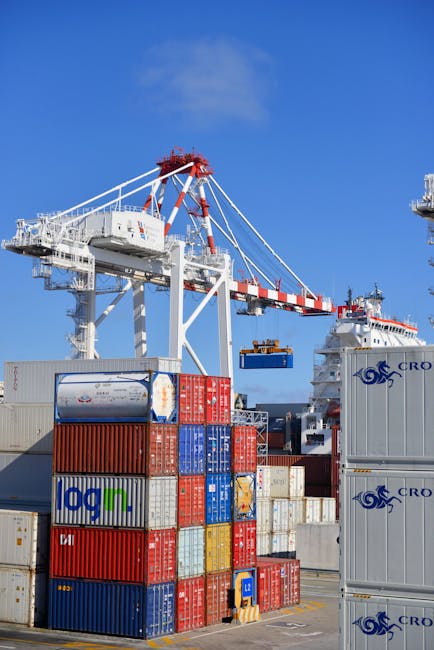
Post-Arrival: Picking Up Your Motorcycle and Final Checks
The ship has docked, your tracking status has flipped to "available for pickup," and after weeks of waiting, your motorcycle is finally in the same country as you. This is the moment where preparation pays off. The pickup process can be smooth if you arrive with the right paperwork, or it can turn into a frustrating day of waiting rooms and unexpected charges if you do not know what to expect. The key is understanding that clearing your bike through customs and getting it released from the port is a process, not an event. Give yourself a full day for this, especially at larger ports where lines move slowly and offices close for lunch.
Before you even head to the port, confirm the exact pickup location. Many people assume the main terminal is where they need to go, only to find out their motorcycle is being held at a bonded warehouse a few miles away. Your shipping company should have emailed you the precise address, contact person, and hours of operation. If they have not, call them before you travel. Showing up at the wrong gate wastes hours and adds stress to an already tiring day. Also bring a copy of your original booking confirmation, as some warehouses will not release cargo without the reference number printed on it.
You will also want to arrange transport from the port to your accommodation in advance. Do not assume you can simply ride away from the warehouse. Depending on local regulations, your motorcycle may need to be towed or transported on a trailer until it is registered and insured in the country. Some riders get lucky and can ride out, but many find that the bike is not legally allowed on public roads until final inspection and registration are complete. Having a truck or trailer booked means you are not scrambling at the last minute.
Port Procedures and Clearing Your Bike
The customs clearance process varies by country, but the core steps remain similar. You will first visit the shipping line's local agent to pay any terminal handling charges and collect your delivery order. This document releases the container or crate from the port. Next, you will go to customs with your delivery order, passport, original title, bill of lading, and often a copy of your passport's photo page and visa. Some countries also require proof of ownership going back several years, so carry any previous registration documents you have.
Expect to pay import duties and taxes unless you have a valid exemption, such as a temporary import permit for tourists. A carnet de passage en douane simplifies this significantly, but not every country accepts it. If you are shipping to a country that requires a local agent, your shipping company should have arranged one for you. That agent will handle the paperwork and often meet you at the port. Their fee is usually worth it because they know the local officials and can speed up the process considerably.
Once customs stamps your paperwork, you will take everything to the warehouse. There, staff will locate your crate or pallet and bring it out for you. You will need to sign a release form confirming you have received the goods. Do not sign this until you have visually confirmed the crate is intact and the seal, if any, is unbroken. If the crate looks damaged, note it on the form before signing and take photos immediately.
Immediate Inspection Checklist After Delivery
Before you leave the warehouse, open the crate and inspect your motorcycle thoroughly. Bring a flashlight, a basic tool kit, and your phone for photos. Start with the exterior: check for any scratches, dents, or cracks that were not present when you dropped the bike off. Pay close attention to mirrors, levers, turn signals, and the exhaust, as these are the most commonly damaged parts during transit. If you find damage, document it with clear photos and report it to the warehouse staff and your shipping company before leaving. Most insurance claims require this immediate notification.
Next, check the fluids. Look under the bike for any oil, coolant, or brake fluid that may have leaked during the voyage. Check the oil level through the sight glass or dipstick, and inspect the brake fluid reservoir. If anything looks low or there is a puddle underneath, do not start the engine until you have investigated. Also check the battery. Many shippers require you to disconnect the battery, so you may need to reconnect it. If it is dead, you will need a jump start or a new battery before you can ride.
Walk around the bike and test the basics. Squeeze the front brake lever and press the rear brake pedal to confirm firm pressure. Check that the clutch lever feels normal. Turn the handlebars from lock to lock to make sure nothing is binding. Verify that the tires are still properly inflated. If the bike was strapped down too tightly, the suspension may have been compressed for weeks, so bounce the front and rear a few times to settle it. Finally, check that your keys, documents, and any loose items you packed with the bike are still present and accounted for.
Final Thoughts: Shipping Your Motorcycle with Confidence
Shipping a motorcycle overseas feels like a leap of faith the first time you do it. You are handing over a machine you care about to a series of strangers, trusting that it will arrive safely on the other side of the world. But once you understand the process, it becomes far less intimidating. The riders who get ripped off are almost always the ones who rush, skip the research, or choose a shipper based on price alone. The riders who have smooth experiences are the ones who ask questions, read the fine print, and prepare their bike properly before it ever leaves their garage.
Throughout this guide, the same themes have appeared again and again. Get multiple quotes, but do not automatically pick the cheapest. Insist on a detailed contract that spells out every charge. Prepare your motorcycle for the journey by draining fluids, disconnecting the battery, and photographing every angle. Stay in communication with your shipping company from pickup to delivery. And when the bike finally arrives, take your time with the inspection and paperwork. These steps are not complicated, but they require patience and attention to detail.
The reward for all this effort is the moment you twist the throttle in a new country, with new roads stretching out ahead of you. That feeling of riding a familiar machine through unfamiliar landscapes is exactly why so many travelers choose to ship their motorcycle overseas rather than rent or buy at their destination. Your bike fits you, you know its quirks, and it carries the memories of every mile you have already shared. Bringing it along makes the journey feel complete.
As you plan your 2026 adventure, remember that shipping your motorcycle is not a barrier to overcome but a bridge to cross. With the right preparation and a trustworthy partner, your bike will be waiting for you when you land, ready for the next chapter. Take a deep breath, double-check your paperwork, and go. The open road is calling, and this time it is on the other side of the ocean.
Gear for this trip
- Motorcycle Cover
- Marine Cargo Insurance
- Motorcycle Tie-Down Straps
- Motorcycle Battery Charger
- Motorcycle Cleaning Kit
As an Amazon Associate I earn from qualifying purchases.


No comments:
Post a Comment