
- Why Visit the Cotswolds in 2026?
- Best Time to Visit the Cotswolds: Season by Season
- Top 10 Most Beautiful Villages in the Cotswolds
- Scenic Walks and Outdoor Adventures
- Where to Stay: From Cozy Cottages to Luxury Hotels
- Food and Drink: Pubs, Tea Rooms, and Local Flavors
- Sample Itineraries for 3, 5, and 7 Days
- Practical Tips for Visiting the Cotswolds
- Final Thoughts on Your Cotswolds Adventure
Why Visit the Cotswolds in 2026?
If you have ever daydreamed about wandering through honey-colored stone villages, crossing ancient footbridges over babbling brooks, and ending your day beside a roaring fire in a centuries-old pub, then you already understand the pull of this region. The Cotswolds England travel guide you are reading now is designed to turn that daydream into a perfectly planned reality for 2026. Spanning nearly 800 square miles across five counties, this Area of Outstanding Natural Beauty delivers a landscape that feels purpose-built for slowing down. In 2026, the region is doubling down on sustainable tourism, making it easier than ever to explore without a car while preserving the very scenery you come to admire.
Travelers choose the Cotswolds not for adrenaline-pumping thrills but for something rarer in modern life: genuine tranquility. The gently rolling hills, divided by dry-stone walls and dotted with sheep, create a patchwork of pastoral perfection that has inspired artists and writers for centuries. You come here to walk through wildflower meadows, to sip a pint at a pub that has been serving ale since the 1600s, and to browse independent bookshops in market towns that still hold weekly charters granted by medieval kings. The magic lies in the details—the worn stone steps of a churchyard, the unexpected glimpse of a grand manor house through a gap in the hedgerow, the friendly nod from a local walking their dog across a common.
2026 marks a particularly special time to visit. Post-pandemic travel patterns have settled, and the Cotswolds has refined its visitor experience to balance popularity with preservation. New electric shuttle services connect train stations to villages that previously required a car, and several major historic gardens have completed ambitious multi-year restoration projects. Whether you are planning a romantic weekend getaway, a solo walking retreat, or a family trip filled with farmyard encounters, this corner of England rewards those who take their time. Our Cotswolds England travel guide will walk you through everything you need to know, from village-hopping itineraries to the coziest spots for a cream tea.
Timeless Beauty and Quintessential English Charm
The Cotswolds aesthetic is so distinct it has its own name: the Cotswold style. Picture cottages built from oolitic limestone that glows warm gold in the late afternoon sun, steep gabled roofs covered in split stone tiles, and windows framed by climbing roses. This is not a manufactured theme park—it is a living, breathing architectural heritage that evolved naturally from the medieval wool trade. The very stone underfoot tells a story; the limestone used to build these villages was formed millions of years ago, and its distinctive honey color deepens with age, giving each building a unique patina.
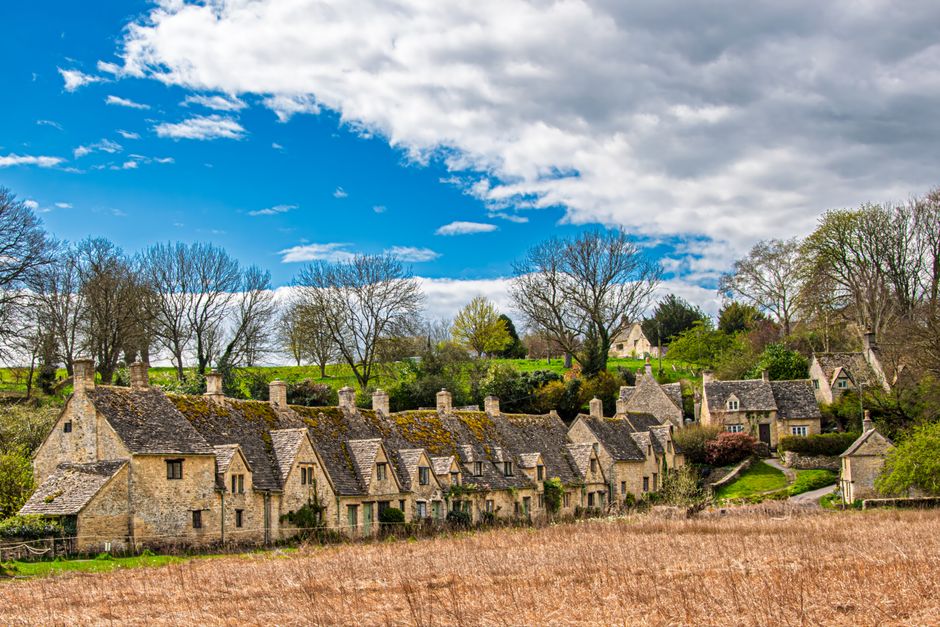
Charming villages like Bibury, once described by William Morris as "the most beautiful village in England," showcase this timeless appeal perfectly. Arlington Row, a set of weavers' cottages dating back to the 14th century, is among the most photographed scenes in the country. Beyond the iconic spots, you find quieter lanes where the only sounds are birdsong and the distant bleating of lambs. The quintessential English charm extends to the traditions that survive here: well-dressing ceremonies, village fetes on the green, and the comforting ritual of afternoon tea served on tiered stands in parlors overlooking manicured gardens. A Cotswolds England travel guide would be incomplete without acknowledging that this beauty is carefully protected, and visitors in 2026 are encouraged to tread lightly and support the communities that maintain it.
What’s New in the Cotswolds for 2026
Several exciting developments make 2026 the ideal year for your visit. The new Cotswold Way Connector electric minibus service now links Moreton-in-Marsh and Stow-on-the-Wold with a dozen smaller villages on a hop-on, hop-off basis, reducing the need for a car and easing parking pressures in the most popular spots. This service runs from April through October and accepts contactless payment, making spontaneous village-hopping delightfully simple. Additionally, the historic Painswick Rococo Garden has unveiled its restored woodland walk and a new café with panoramic valley views, completing a five-year conservation effort.
Accommodation options have expanded with a focus on eco-conscious luxury. Several working farms now offer beautifully converted barn stays with ground-source heat pumps and wildflower meadow gardens designed to boost biodiversity. The long-awaited Cotswolds AONB Visitor Strategy for 2026 emphasizes regenerative travel, and many local businesses now participate in a scheme where a small voluntary donation added to your bill directly funds dry-stone wall repairs and wildflower corridor planting. For food lovers, the burgeoning local cheese scene has gained national recognition, with two new artisan creameries opening tasting rooms near Cirencester. These additions enrich the experience without compromising the region's cherished character.
Is the Cotswolds Right for Your Travel Style?
Before diving deep into itinerary planning, it is worth reflecting on whether the Cotswolds matches your travel personality. This is a destination for slow travelers. If your ideal trip involves ticking off a packed checklist of major attractions from dawn until dusk, you might find the pace here frustrating. The Cotswolds rewards wandering without a strict agenda, lingering over long lunches in gastropubs, and spending an afternoon simply watching clouds move across the hills from a bench on a village green. It is deeply romantic, making it a superb choice for couples, but equally suited to solo travelers seeking quiet reflection and gentle walking trails.
Families will find plenty to love, especially those with young children enchanted by farm animals. The Cotswolds Farm Park, wildlife parks, and numerous family-friendly walking routes provide wholesome entertainment. However, teenagers accustomed to high-adrenaline city breaks may need some convincing—though the promise of excellent food markets and Instagrammable villages usually wins them over. Accessibility is a consideration; the hilly terrain and cobblestone paths in some villages can pose challenges for visitors with limited mobility, though many major attractions have made significant accessibility improvements for 2026. If you crave peace, natural beauty, excellent local food, and a deep sense of history, this Cotswolds England travel guide is absolutely for you.
Best Time to Visit the Cotswolds: Season by Season
One of the most common questions any Cotswolds England travel guide must address is when to go. The honest answer is that every season casts its own spell over this landscape, and the "best" time depends entirely on what you hope to experience. The Cotswolds lacks a true off-season in the sense of places closing down completely, but the rhythm of village life shifts noticeably as the year turns. Summer brings the buzz of festivals and the longest daylight hours for walking, while winter offers an intimate, fireside coziness that feels like stepping into a classic English novel. Your choice should balance weather preferences, crowd tolerance, and the seasonal activities that most appeal to you.
Accommodation prices and availability fluctuate significantly. Peak summer months and Christmas markets command the highest rates and require booking well in advance—sometimes six months or more for the most desirable cottages and inns. Spring and autumn shoulder seasons offer a sweet spot of pleasant weather, fewer visitors, and more competitive pricing. Winter, outside of the festive period, presents the best value, though you will need to check opening hours for smaller attractions, as some close for a winter break. Regardless of when you visit, a waterproof jacket and sturdy walking shoes are essential year-round possessions in this famously green—and occasionally damp—corner of England.
Spring: Blossoms and Lambing Season
Spring arrives in the Cotswolds with an explosion of color that transforms the landscape. From late March through May, daffodils carpet the churchyards and village greens, while cherry and apple blossoms create clouds of pink and white in cottage gardens. This is lambing season, and a visit to a working farm to see newborn lambs finding their feet is an unforgettable experience, especially for families. The Cotswolds Farm Park near Guiting Power hosts daily lambing events where you can witness births and even bottle-feed orphaned lambs under supervision.
Walking trails that were muddy and challenging in winter become passable and deeply rewarding. The bluebell woods near Woodchester Park and Foxholes Nature Reserve reach their peak in late April, creating a fragrant purple carpet beneath fresh green canopies. Temperatures average between 8°C and 15°C, crisp enough for a light jacket but warm enough for pub garden lunches. Easter weekend is busy, so book ahead, but midweek visits in May offer near-perfect conditions with minimal crowds.
Summer: Long Days and Festivals
Summer transforms the Cotswolds into a vibrant playground of outdoor events and seemingly endless daylight, with the sun setting well past 9pm in June and July. This is festival season. The Royal International Air Tattoo near Fairford draws aviation enthusiasts, while smaller village fetes offer homemade cakes, welly-wanging competitions, and the chance to mingle with locals. The Longborough Festival Opera brings world-class performances to a intimate woodland setting, and open-air theatre productions pop up at castles and gardens across the region.
Average temperatures hover around 20°C to 25°C, occasionally spiking higher, making it ideal for long walks along the Cotswold Way. The downside is crowds, particularly in honeypot villages like Bourton-on-the-Water and Bibury, where parking becomes a competitive sport by mid-morning. Plan to arrive early or visit popular spots later in the afternoon. Wild swimming spots like the River Windrush become tempting, though the water remains bracingly cool. Book accommodations and restaurant tables well in advance, especially for weekend stays.
Autumn: Golden Hues and Harvest
Many seasoned travelers consider autumn the Cotswolds' finest season. The woodlands surrounding the villages erupt into a spectacular display of gold, russet, and deep crimson, particularly in the beech woods of the Chilterns fringe and the arboretum at Batsford. The low-angled sunlight of October casts the honey-colored stone in its most flattering light, and the summer crowds have thinned to a manageable trickle. This is harvest time, and farmers' markets overflow with apples, pears, wild mushrooms, and game.
Food festivals celebrating the season's bounty take center stage. The Cheltenham Literature Festival in October draws book lovers from around the world, while smaller village harvest suppers offer a taste of genuine community tradition. Temperatures cool to a comfortable 10°C to 17°C, perfect for brisk walks followed by a hearty pub roast beside a crackling fire. Rain increases, but misty mornings over the valleys create an atmosphere of haunting beauty that photographers adore. This is the ideal window for a walking-focused Cotswolds England travel guide itinerary.
Winter: Cozy Pubs and Christmas Markets
Winter in the Cotswolds is an exercise in embracing hygge before the Danes exported the term. From November through February, the region wraps itself in a cloak of quiet charm, with bare branches tracing dramatic silhouettes against pale skies and woodsmoke scenting the cold air. Christmas markets pop up in towns like Cirencester, Broadway, and Bath (just on the Cotswolds doorstep), offering mulled wine, handmade gifts, and twinkling lights reflected in puddles on cobblestone streets. These markets are magical but busy on weekends, so aim for a weekday visit if possible.
This is the season for settling into a low-beamed pub with a pint of local ale as rain patters against the leaded windows. Many pubs feature open fires and seasonal menus heavy on game pies, roasted root vegetables, and sticky toffee pudding. Accommodation prices drop significantly in January and February, making luxury stays surprisingly accessible. Expect short daylight hours, with dusk falling around 4pm, and occasional frost that dusts the fields in silver. Check attraction opening times carefully, as National Trust properties often close for conservation work, but the winter landscape offers its own stark, quiet beauty for those willing to wrap up warm.
Top 10 Most Beautiful Villages in the Cotswolds
No Cotswolds England travel guide would be complete without a curated list of the villages that define the region's aesthetic. Choosing just ten is a challenge, as nearly every hamlet you pass through seems to deserve a spot. The following selection balances iconic must-sees with a few slightly quieter gems, giving you a well-rounded hit list for your 2026 itinerary. Each village offers something distinct, whether it is a literary connection, an architectural marvel, or simply an atmosphere so peaceful you will find yourself checking real estate listings. Arrive early or visit in the late afternoon to experience these places at their most serene, and always remember that these are living communities, not museum pieces—a friendly greeting goes a long way.
- Castle Combe: Often called the prettiest village in England, its unbroken street of medieval stone cottages leads to a 14th-century market cross and a babbling brook, with no modern structures in sight.
- Bibury: William Morris adored this village, and Arlington Row’s steep-gabled weavers' cottages, now owned by the National Trust, create the most photographed scene in the Cotswolds, best viewed with morning light on the water meadow.
- Bourton-on-the-Water: Known as the "Venice of the Cotswolds" for its series of elegant low bridges spanning the clear River Windrush, it buzzes with attractions including the Model Village and the Cotswold Motoring Museum.
- Stow-on-the-Wold: Perched on a hilltop at 800 feet, this market town centers on a vast square where sheep fairs once traded 20,000 animals, and the ancient yew-tree-framed north door of St Edward’s Church is said to have inspired Tolkien.
- Upper and Lower Slaughter: Linked by a gentle mile-long footpath along a stream, these twin villages offer profound peace; the name comes from an Old English word for "muddy place," but the reality is immaculate stone cottages and a restored 19th-century flour mill.
- Painswick: The "Queen of the Cotswolds" is famed for its churchyard of 99 clipped yew trees and its elegant streets of silvery-gray stone, with the Rococo Garden just outside town offering a whimsical escape.
- Chipping Campden: A showpiece of the medieval wool trade, its graceful High Street curves past a 17th-century market hall, terraced almshouses, and some of the finest Cotswold architecture in a single stretch.
- Snowshill: Tucked into a hillside beneath lavender fields, this tiny village of mellow stone feels lost in time, with a manor house packed full of Charles Wade’s eccentric collection of craftsmanship and design.
- Broadway: The "Jewel of the Cotswolds" features a broad, grass-fringed main street lined with chestnut trees, independent galleries, and the iconic Broadway Tower folly standing sentinel on the escarpment above.
- Kingham: Consistently voted one of England’s best villages to live in, it offers a quieter, deeply local experience with a village green, a superb pub, and a train station that makes it an ideal base for car-free Cotswolds exploration.
Each of these villages rewards a slow approach. Park on the outskirts where designated visitor parking is available, wander without a rigid map, and pop into the local church—you will often find fascinating memorials, volunteer-run tea stations, and a profound sense of continuity with the past. For 2026, several villages have expanded their electric vehicle charging points and improved walking connections to nearby railway stations, making sustainable village-hopping more practical than ever. This Cotswolds England travel guide encourages you to pick three or four favorites as a base for deeper exploration rather than racing through all ten in a single day.

Scenic Walks and Outdoor Adventures
While the honey-colored villages are the postcard stars, the true soul of this region lies in the rolling landscape connecting them. This Cotswolds England travel guide wouldn’t be complete without lacing up your boots. The patchwork of fields, ancient woodlands, and limestone escarpments offers some of the most accessible yet dramatic walking in Britain. Whether you want a multi-day trek or a gentle afternoon amble, the fresh air and panoramic views are therapy for the soul.
The light here is a photographer’s dream—soft and golden, especially in the early morning when mist clings to the valleys. You don’t need to be a seasoned hiker to enjoy it. Public footpaths crisscross private farmland, meaning you can legally wander through fields of sheep and crops, over stiles, and along babbling brooks. Just remember to follow the Countryside Code: close gates behind you, keep dogs on leads near livestock, and stick to marked paths.
For 2026, several local councils have improved waymarking on popular routes, making navigation easier than ever. Grab an Ordnance Survey map or use a GPS app, but don’t rely solely on your phone—signal can be patchy in deep valleys. Pack a raincoat even if the sky looks clear, because the English weather is famously fickle. Now, let’s dive into the trails that make this landscape unforgettable.
The Cotswold Way: A Long-Distance Trail
The Cotswold Way National Trail runs for 102 miles from Chipping Campden in the north to Bath in the south, following the western edge of the limestone escarpment. It’s the spine of any serious walking-focused Cotswolds England travel guide. You don’t have to tackle the whole thing—most walkers break it into week-long segments or cherry-pick day sections. The trail rewards you with sweeping views over the Severn Vale, ancient beech woodlands, and Neolithic burial mounds.
Standout sections include the dramatic Broadway Tower to Winchcombe stretch, where you’ll pass the highest point in the Cotswolds and can spot the Black Mountains of Wales on a clear day. Another gem is the escarpment above Cheltenham, where the Devil’s Chimney rock formation juts out mysteriously from the hillside. The southern finale descends into the Georgian splendor of Bath, a UNESCO World Heritage city.
Accommodation providers along the route now offer comprehensive luggage transfer services, so you can hike with just a daypack while your suitcase magically appears at your next inn. In 2026, several new glamping sites have popped up near the trail, offering hot showers and real beds for walkers who don’t want to rough it. Book these transfers and stays well in advance, particularly for autumn when the beech woods turn to fire.
Easy Circular Walks for All Levels
If a 100-mile epic isn’t on your itinerary, the region excels at short circular routes perfect for families or casual wanderers. These loops typically start and end in a charming village, meaning a pub lunch or cream tea is your built-in reward. A top pick is the Bourton-on-the-Water to Lower Slaughter loop, a flat mile-long stroll along the River Windrush. It’s so gentle you can do it in sandals, yet the views are pure Cotswolds magic.
For a slightly longer leg-stretch, try the four-mile circular from Bibury to Coln St Aldwyns. You’ll escape the crowds at Arlington Row within minutes and walk through tranquil water meadows where trout dart in the chalk stream. Another favorite is the Minchinhampton Common circuit, where wildflowers blanket the limestone grassland in spring, and free-roaming cattle and horses add a delightful wild edge. These routes rarely have steep climbs, but the ground can be uneven, so sturdy shoes are still wise.
Exploring the Cotswolds by Bike
Two wheels give you the freedom to cover more ground, catching the scent of wild garlic in woodlands and hearing the crunch of gravel under your tires. The quiet country lanes are a cyclist’s paradise, though be prepared for some punchy hills—the Cotswolds are not flat. Electric bike rentals have surged in popularity across the region for 2026, making those climbs accessible to everyone and opening up longer routes without the sweat.
Cycle hire shops in Moreton-in-Marsh, Bourton-on-the-Water, and Winchcombe offer standard and e-bikes, along with route maps. A classic ride is the Windrush Valley loop, connecting Burford, the Slaughters, and Bourton, with plenty of pub stops along the way. For a dedicated traffic-free path, the old railway line between Cirencester and Cricklade is a gentle, family-safe option through nature reserves. Always wear a helmet, use lights on narrow lanes, and be courteous to horse riders and walkers you encounter.
Where to Stay: From Cozy Cottages to Luxury Hotels
Where you lay your head shapes your entire experience, and the Cotswolds offers accommodation with character in spades. This Cotswolds England travel guide covers stays from ivy-clad inns where creaky floors tell centuries-old stories, to sleek retreats with rainfall showers and Michelin-starred dining. The biggest challenge isn’t finding a lovely place—it’s choosing just one. Many visitors hop between two or three bases to explore different corners of the region.
For 2026, demand continues to outstrip supply, especially in the most photogenic villages. Booking six to twelve months ahead is no longer excessive for peak summer weeks or Christmas markets. If your heart is set on a particular thatched cottage or boutique hotel, lock it in early. Look beyond the obvious honeypots like Bourton-on-the-Water to villages such as Painswick, Kingham, or Blockley, where you’ll find equally beautiful surroundings with a calmer atmosphere and often better value.
The style of stay you pick sets the rhythm of your trip. Inns put you steps from the bar and local chatter; cottages give you the freedom to cook farm-shop finds and pretend you’re a local; luxury hotels wrap you in spa robes and impeccable service. There’s no wrong answer, just the one that fits your travel personality. Here’s a breakdown of what each option offers.
Charming Bed and Breakfasts and Inns
For authentic local connection, a traditional B&B or coaching inn is unbeatable. You’ll sleep in rooms that might have low beams, antique furniture, and windows looking onto village greens. The cooked-to-order breakfast is a highlight—think local bacon, free-range eggs, and toast with butter so yellow it must have come from a nearby dairy. Your hosts are often walking encyclopedias of local knowledge, ready to suggest the lesser-known walking path or the pub with the best Sunday roast.
Historic inns like The Porch House in Stow-on-the-Wold claim to be England’s oldest, with parts dating to 947 AD, offering rooms where you can literally touch medieval stonework. The Eight Bells in Chipping Campden serves breakfast on tables that were once workbenches for the town’s wool traders. These places aren’t just a bed—they’re part of the region’s fabric. Just be aware that many older buildings don’t have elevators, and stairs can be steep, so check accessibility if you have mobility concerns.
Self-Catering Cottages for a Homey Feel
Renting your own cottage is the dream for families, groups, or anyone craving a slower, more private pace. You’ll unlock your own front door to a space that might feature exposed stone walls, a wood-burning stove, and a garden where robins hop around while you sip your morning coffee. This option lets you live like a temporary local, shopping at the village butcher and bakery, then cooking meals in a farmhouse kitchen.
The best cottages book up ridiculously far in advance, particularly those in show-stopping locations like Arlington Row in Bibury or on the Daylesford Estate near Kingham. For 2026, look at trusted local agencies like Character Cottages or Bolthole Retreats, which specialize in Cotswold properties and offer honest, detailed listings. A cottage stay often works out more economical than hotels for longer trips, and you’ll have laundry facilities—vital if you’re doing muddy walks. Many now welcome well-behaved dogs, too, with enclosed gardens and nearby walking routes.
Boutique Hotels and Splurge-Worthy Stays
When the occasion calls for something extra, the Cotswolds delivers world-class luxury without stiff formality. Think crackling fires in grand lounges, spa treatments using herbs from the kitchen garden, and dinner menus that celebrate estate-to-plate dining. These properties are destinations in themselves. The Lygon Arms in Broadway has hosted kings and Cromwell alike, while now offering an airy modern spa wing. Thyme, on the Southrop estate, feels like a private village with its cookery school, botanical gardens, and bedrooms each individually styled by an artistic owner.
For 2026, the trend is toward immersive county estate experiences. The Wild Rabbit in Kingham pairs a modern British gastropub with impeccably designed rooms that use natural materials and soft linens to create calm. Cowley Manor Experimental near Cheltenham blends a grand country house with bold contemporary interiors and a stunning heated outdoor pool overlooking the lake. These stays don’t come cheap, with top suites often surpassing £500 a night, but the memory of sinking into a deep bathtub after a long walk, with nothing but birdsong outside, is hard to put a price on. Book well ahead and look for midweek packages that bundle dinner and spa access for better value.
Food and Drink: Pubs, Tea Rooms, and Local Flavors
The Cotswolds is a feast for the stomach as much as the eyes. This Cotswolds England travel guide celebrates a food scene rooted in rich farmland, ancient orchards, and game-filled estates. The region has quietly become a culinary heavyweight, balancing time-honored pub classics with innovative gastropub cooking and artisan producers. You’ll eat ingredients that traveled miles, not continents, often from farms you drove past that morning.
From a pint of local ale by a roaring fire to a delicate afternoon tea in a limestone-walled garden, dining here is an event to savor. The area’s food identity is tied to its landscape: Cotswold lamb grazed on limestone pastures, trout from chalk streams, wild venison from ancient woodlands, and cheeses with names like Single Gloucester and Rollright. Even the humblest village pub likely sources its meat from the butcher down the road. Bring your appetite and a willingness to wander down lanes in search of that perfect meal.
Classic Cotswolds Pubs You Can’t Miss
The country pub is the beating heart of village life, and the Cotswolds has some of England’s finest. These aren’t just drinking holes; they’re community living rooms with flagstone floors, beams blackened by centuries of smoke, and menus that honor the seasons. A proper Cotswolds pub experience means a table near the fireplace, a local ale or cider in hand, and a dish like slow-braised shin of beef with buttery mash.
The Ebrington Arms, a short drive from Chipping Campden, is the kind of place you’ll want to linger for hours, with its award-winning take on pub classics and views over the village green. The Potting Shed near Malmesbury serves incredible wood-fired pizzas and local meats in a quirky, garden-themed setting. The Bell at Sapperton is a hidden gem on the edge of a vast estate, perfect after a woodland walk. For 2026, many pubs have expanded their outdoor terraces with heaters and blankets, so you can enjoy the fresh air even on cooler evenings. Always call ahead to book a Sunday roast table—walk-ins are often turned away hungry at the most popular spots.
Afternoon Tea and Quaint Tea Rooms
No visit is complete without the ritual of afternoon tea. It’s a pause in your day, a chance to rest tired feet and indulge in delicate finger sandwiches, warm scones with clotted cream and jam, and a pot of perfectly brewed tea. The Cotswolds does this tradition with particular charm, often in tiny rooms with mismatched china and views of cottage gardens.
Huffkins, with its original bakery in Burford, has been baking since 1890 and offers a reliably excellent tea across several locations. The Tea Set in Chipping Norton is a local favorite with a wonderfully eclectic interior. For something grander, the Lygon Arms in Broadway serves a full silver-stand afternoon tea in its historic lounges. Remember that cream tea means scones with cream and jam plus tea, while a full afternoon tea adds sandwiches and pastries—and you should always book ahead, especially on weekends.
Farm Shops, Markets, and Local Produce
To truly understand Cotswolds food, go to the source. The region’s farm shops are destinations in their own right, cathedral-like spaces celebrating local produce. Daylesford Organic near Kingham is the grand dame, a sprawling complex with a creamery, bakery, market garden, and a restaurant where the zero-mile diet is lived rather than preached. You can pick up everything from estate venison to their famous cheddar, then enjoy a flatbread in the light-filled café.
Smaller but equally passionate, Jolly Nice near Stroud began as a roadside farm shop in a former petrol station and has blossomed into a beloved stop for grass-fed beef, wild garlic pesto, and their famous soft-serve ice cream. For a vibrant community market, Stroud Farmers’ Market every Saturday is a riot of color and flavor, with over 50 stalls of organic vegetables, artisan breads, local cheeses, and street food. It’s a chance to talk directly to the people who grew your food, and the atmosphere is wonderfully lively. Bring a cool bag and stock up for a picnic—it’s the best lunch you’ll have.
Sample Itineraries for 3, 5, and 7 Days
Planning the perfect route through the honey-hued villages can feel overwhelming, especially when every winding lane seems to lead to another postcard-perfect scene. To help you make the most of your trip, I have distilled the region into three manageable itineraries. Whether you are squeezing a long weekend into a busy schedule or settling in for a full week of slow travel, this Cotswolds England travel guide has a blueprint for you. Each itinerary balances driving times with lingering time, ensuring you experience the soul of the area rather than just a blur of golden stone through a car window.
3-Day Cotswolds Highlights Itinerary
A long weekend is just enough time to fall hopelessly in love with the region. This compact route focuses on the "must-see" northern and central villages, keeping driving distances short so you maximize your exploration time. You will experience the iconic imagery that defines any Cotswolds England travel guide without feeling too rushed.
Day 1: The Northern Gateway
- Begin in Chipping Campden, walking the elegant high street with its historic market hall and perfectly preserved terraced houses.
- Drive ten minutes to Broadway to climb the tower for panoramic views stretching across the Vale of Evesham.
- Enjoy a classic cream tea at a tearoom on the green before heading to your accommodation.
- Spend the night in or around Broadway to soak up the tranquil evening atmosphere once day-trippers depart.
Day 2: The Iconic Southern Duo
- Drive south to Bibury, arriving early to have Arlington Row virtually to yourself before the crowds descend.
- Walk the flat, easy path along the River Coln, watching trout glide through crystal-clear waters.
- Continue to Castle Combe, often called the prettiest village in England, and wander its unspoiled streets.
- Photograph the medieval market cross and the quaint stone bridges before an early dinner at a gastropub.
Day 3: Market Towns and Farewells
- Explore Stow-on-the-Wold, browsing antique shops and feeling the history seep from the ancient stone walls.
- Visit the atmospheric St Edward's Church, where the north door is flanked by ancient yew trees that inspired Tolkien.
- Enjoy a final leisurely lunch at a farm-to-table restaurant, savoring local lamb or a ploughman's platter.
- Depart via Burford, driving down the steep high street for one last dose of Cotswolds magic before heading home.
5-Day Classic Cotswolds Road Trip
Five days allows you to venture beyond the headliners and discover the quieter corners that make this region so special. You will mix the blockbuster sights with lesser-known hamlets, and you will have time for a proper walk in the countryside. This is the quintessential Cotswolds England travel guide road trip, balancing sightseeing with genuine relaxation.
Day 1: Chipping Campden and Broadway Tower
- Settle into Chipping Campden with a morning spent exploring its craft galleries and the Court Barn Museum.
- Take the circular walk from town up to Dover's Hill for sweeping views before driving to Broadway Tower for a closer look at the folly.
- Enjoy a pub dinner in a cozy inglenook fireplace setting to kick off your journey with authentic warmth.
Day 2: The Slaughters and Bourton-on-the-Water
- Park in Lower Slaughter and walk the shallow streamside path to Upper Slaughter, a route so peaceful it feels like stepping back a century.
- Drive to Bourton-on-the-Water to see the charming low bridges, visiting the Model Village for a quirky perspective.
- Escape the crowds by heading to the nearby hamlet of Little Rissington for a quiet afternoon pint.
Day 3: Southern Charms and Castle Combe
- Spend a slow morning in Painswick, wandering among the neatly clipped yew trees in the churchyard and visiting the Rococo Garden.
- Drive to Castle Combe, timing your arrival for late afternoon when the golden light bathes the stone cottages.
- Stay overnight in a B&B within the village to experience it without the daytime bustle.
Day 4: Tetbury and Royal Connections
- Explore Tetbury, a market town brimming with antique shops and independent boutiques.
- Visit the magnificent Highgrove Gardens, a short drive away, ensuring you book tickets well in advance for this royal horticultural masterpiece.
- Enjoy a relaxed dinner at a restaurant specializing in locally shot game and seasonal produce.
Day 5: Lacock and Departure
- Step into a film set at Lacock, where the entire village is owned by the National Trust and appears frequently in period dramas.
- Tour the medieval abbey cloisters before a final pub lunch featuring a classic sticky toffee pudding.
- Depart from the southern edge of the Cotswolds, conveniently close to Bath or the M4 corridor.
7-Day In-Depth Cotswolds Experience
A full week transforms your visit from a sightseeing checklist into a genuine immersion. You will have time for long countryside rambles, spontaneous detours, and lazy afternoons in village pubs. This extended Cotswolds England travel guide itinerary embraces slow travel, mixing famous landmarks with hidden valleys that many visitors never reach.
Day 1: Arrival in the North
- Base yourself near Chipping Campden or Broadway, spending the afternoon acclimatizing with a gentle walk through buttercup-dotted meadows.
- Book a table at a gastropub like The Wild Rabbit and ease into the pace of country life.
Day 2: Hidden Valleys and Stanton
- Drive the back lanes to Stanton and Stanway, two absurdly pretty villages that see a fraction of the crowds of their famous neighbors.
- Walk a section of the Cotswold Way, choosing the ridge above Stanway for views of the thatched cricket pavilion and Jacobean manor.
- Spend the evening in Winchcombe, dining in a centuries-old inn and visiting the impressive Sudeley Castle the next morning.
Day 3: Sudeley Castle and the Windrush Valley
- Dedicate the morning to exploring Sudeley Castle's gardens and Katherine Parr's tomb.
- Drive south to the Windrush Valley, stopping in Guiting Power and the Slaughters for a gentle afternoon ramble.
- Enjoy a relaxed evening without a fixed plan, perhaps discovering a village you simply stumbled upon during the day.
Day 4: Cirencester and Roman History
- Head to Cirencester, the capital of the Cotswolds, exploring the Corinium Museum to understand the area's Roman roots.
- Stroll through the market square and the Abbey Grounds before an independent lunch in a courtyard café.
- Drive to Bibury in the late afternoon, securing that iconic photograph of Arlington Row in the soft evening light without the tour buses.
Day 5: Western Edge and Off-the-Beaten-Path
- Venture to the lesser-visited western fringe, discovering Duntisbourne Abbots and its valley of tiny stone hamlets.
- Visit Minchinhampton Common, where free-roaming cattle and wild ponies graze on ancient grasslands with spectacular views.
- Enjoy a farm shop lunch, picking up local cheeses and chutneys for an impromptu evening picnic.
Day 6: Bath and the Southern Border
- Take a day trip to the Georgian masterpiece of Bath, exploring the Roman Baths and Royal Crescent.
- Return to the Cotswolds via Bradford-on-Avon, a gorgeous stone-built town straddling the River Avon.
- Savor a final celebratory dinner at a Michelin-starred pub, toasting to a week well spent.
Day 7: Leisurely Departure
- Enjoy a slow breakfast with no rush, perhaps walking to a village bakery for warm pastries.
- Visit any spot you felt you missed or simply wish to see again before departing.
- Drive away through the rolling hills, already planning your return to this enchanting corner of England.
Practical Tips for Visiting the Cotswolds
Even the most beautiful destination can throw up challenges if you arrive unprepared. The Cotswolds may look like a gentle, manicured theme park, but it is a living, working rural area with its own rhythms and quirks. A successful trip hinges on understanding the logistics of getting around, packing the right gear for unpredictable weather, and navigating local customs with grace. These practical tips will ensure your Cotswolds England travel guide experience is smooth, comfortable, and respectful of the communities you are visiting.
Getting Around: Car, Public Transport, and Tours
Let's be frank: the most liberating way to explore the Cotswolds is by car. The most enchanting villages are often tucked away down narrow lanes that are simply not served by reliable public transport. Renting a vehicle gives you the freedom to stop at that unexpected viewpoint or discover a hidden pub without consulting a bus timetable. However, driving here requires confidence with single-track roads, passing places, and occasionally reversing around blind bends. If you are arriving from outside the UK, book an automatic car well in advance, as manual transmissions remain the default.
While a car is ideal, it is not impossible without one. The main train line runs through Moreton-in-Marsh, Kingham, and Charlbury, connecting directly to London Paddington. From these hubs, you can use the sparse but functional local bus network or book private taxi tours to reach the villages. For those who prefer not to drive, organized day tours from Bath, Oxford, or London are a fantastic stress-free alternative. These small-group minibus tours whisk you efficiently between highlights and often include local guide commentary that enriches the experience. Just be aware that tours follow fixed schedules and you will not have the spontaneous flexibility of independent travel.
Packing Essentials and What to Wear
The Cotswolds dress code is best described as "practical country chic." You will see everything from Barbour jackets and Hunter boots to casual hiking gear in the villages, but packing for the weather is far more important than packing for fashion. The British weather is famously fickle, and you can experience sunshine, drizzle, and a brisk wind all in a single afternoon, even during summer months. The key is layering, allowing you to adapt quickly as conditions change.
Waterproof footwear is non-negotiable. Even if you stick to village paths, morning dew on the grass can soak through canvas trainers in minutes. A proper waterproof jacket with a hood is far more useful than an umbrella, which the wind will quickly invert on exposed hillsides. Pack a warm fleece or lightweight down jacket even in July, as evenings can turn chilly. If you plan on countryside walks, sturdy hiking boots with good ankle support are essential for the muddy, uneven trails. For dining out, smart casual attire is widely accepted, but a clean shirt and nice trousers will help you feel comfortable in the finer gastropubs. Don't forget a reusable water bottle, a portable phone charger for all-day navigation, and a small backpack for carrying layers you have shed.
Etiquette, Tipping, and Local Customs
Cotswolds culture is built on politeness, understatement, and a deep respect for the countryside. When walking through villages, remember that those idyllic cottages are private homes, not museum exhibits. Avoid pressing your face against windows or wandering into private gardens, no matter how beautiful the blooms. Stick to public footpaths and always close gates behind you when crossing farmland, as livestock can escape through even a small gap. The countryside code is taken seriously here: take your litter home, keep dogs under control near sheep, and avoid blocking farm gateways with your parked car.
Tipping etiquette follows standard British norms, which are more relaxed than in North America. In pubs and restaurants, a service charge of ten to twelve percent is sometimes added to the bill, so check before leaving an additional tip. If no service charge is included, leaving a ten percent tip for good table service is generous and appreciated. You do not need to tip at the bar when just ordering drinks, though offering to "get one for yourself" for the bartender is a friendly gesture in traditional locals' pubs. For taxi drivers, rounding up the fare to the nearest pound or adding a couple of pounds is standard. When interacting with locals, a cheerful greeting and a bit of patience go a long way. The pace of life here is deliberately slower, and rushing through a transaction or speaking loudly on your phone in a quiet tearoom will mark you out as a visitor instantly. Embrace the gentle rhythm, queue respectfully, and you will find the locals wonderfully warm and welcoming.
Final Thoughts on Your Cotswolds Adventure
As you trace the final lines of this Cotswolds England travel guide, you are likely already picturing yourself meandering down those honey-colored lanes, the scent of woodsmoke and wild garlic in the air. The Cotswolds is more than just a collection of pretty villages; it is a feeling. It is the warmth of a fire in a stone hearth after a long walk, the taste of a perfectly pulled pint of local ale, and the quiet satisfaction of discovering a hidden valley that feels entirely your own. The region succeeds not because it shouts the loudest, but because it whispers so gently that you have to slow down to hear it.
You will arrive with a camera roll full of potential shots and leave with a heart full of unexpected moments. Perhaps it will be the farmer who stops his tractor to give you directions, the churchyard so ancient that its yew trees predate the Norman Conquest, or simply the way the morning mist clings to the wool churches in the valleys. This corner of England has a knack for turning skeptics into devotees and first-time visitors into lifelong returners. The magic is not manufactured; it is baked into the stone and woven into the fabric of daily rural life that has continued here largely uninterrupted for centuries.
Whatever itinerary you choose, however many days you can spare, travel gently and with curiosity. Leave space in your plans for the unplanned, because the best discoveries often lie down the road you did not intend to take. The Cotswolds will still be here, golden and green and impossibly charming, ready to welcome you into its gentle embrace. Safe travels, and may your own adventure be filled with as much beauty and serenity as the landscape itself.
Gear for this trip
- Waterproof Hiking Boots
- Waterproof Rain Jacket with Hood
- Ordnance Survey Cotswolds Map
- Reusable Water Bottle
- Daypack Backpack
As an Amazon Associate I earn from qualifying purchases.


No comments:
Post a Comment