
In This Article
- Introduction: The Great Goa Divide
- Beach Showdown: Party Shores vs. Secluded Sands
- Vibe Check: North Goa’s Energy vs. South Goa’s Serenity
- Accommodation Face-Off: Budget Hostels to Luxury Resorts
- Food and Nightlife: Shacks, Clubs, and Culinary Delights
- Activities and Experiences: Adventure, Culture, and Beyond
- Travel Logistics: Getting Around, Best Time, and Budget Tips
- North Goa vs South Goa: Who Wins for Different Travel Styles?
- Final Thoughts: Crafting Your Perfect Goan Itinerary
Introduction: The Great Goa Divide
Goa is a state of mind, but it’s also a land of two distinct personalities. For decades, travelers have debated the classic North Goa vs South Goa dilemma, and in 2026 the contrast is sharper and more exciting than ever. North Goa buzzes with neon lights, thumping basslines, and a relentless energy that refuses to sleep. South Goa whispers with palm-fringed solitude, yoga shalas, and the gentle rhythm of Arabian Sea waves stroking empty shores. Neither side is better than the other—they simply serve completely different travel fantasies.
The state’s geography tells the story before you even arrive. The north is compact, densely packed with beach towns that bleed into one another along a single coastal strip. The south stretches out languidly, with wide estuaries, forested headlands, and vast distances between settlements. This physical division shapes everything from the pace of your mornings to the cost of your accommodation.
What makes the North Goa vs South Goa choice so crucial for your 2026 trip is how dramatically Goa has evolved. North Goa has doubled down on its reputation as India’s ultimate beach party destination, with world-class nightclubs, curated flea markets, and a digital nomad scene that rivals Bali. South Goa has simultaneously retreated deeper into its wellness cocoon, attracting luxury eco-resorts and silent retreats that forbid phones in common areas.
Your decision will determine whether you wake up to the smell of bacon and techno or birdsong and incense. It dictates whether your evening involves negotiating a shot menu at a beach shack or watching bioluminescence sparkle on an empty lagoon. This isn’t about picking the “best” Goa—it’s about finding your Goa.
Why Choosing Between North and South Goa Matters
Many first-time visitors make the mistake of treating Goa as a monolith. They book a hotel in the north expecting tranquility, or they land in the south hoping for wild parties, and disappointment follows. The North Goa vs South Goa divide isn’t merely a matter of volume or crowds—it’s a fundamental difference in what your daily life looks like.
In practical terms, your choice affects your transportation budget significantly. North Goa is walkable and has abundant scooter rentals, taxis, and even app-based rides in some pockets. South Goa demands longer rides between attractions, and fuel stops are fewer. A spontaneous dinner plan in the south might require a 40-minute ride through dark village roads, while the north serves food until 4 AM steps from your guesthouse.
The crowd you’ll share space with also shifts dramatically. North Goa in 2026 draws a young, international crowd—backpackers, influencers, and music festival pilgrims. South Goa attracts couples on honeymoon, writers on sabbatical, and older European travelers who’ve been returning to the same quiet cove for twenty years. Neither crowd is superior, but the chemistry of your social experience depends on which tribe feels like home.
Weather impacts each side differently too. The north’s compact coastline means you can beach-hop to find sheltered spots during rough monsoon days. The south’s exposed stretches can feel wild and intimidating when the swell picks up, though that same wildness gifts it with dramatic, uncrowded beauty. Even the sunset experience differs—north sunsets are communal celebrations with cheering crowds, while south sunsets are meditative, often shared with just a few silent witnesses.
What This Guide Covers
This guide walks you through every dimension of the North Goa vs South Goa decision for your 2026 trip. We compare beaches head-to-head, from the iconic party shores to the hidden coves few tourists ever find. We dissect the vibe of each region so you can match your travel personality to the right coastline. By the time you finish reading, you’ll know exactly which side—or which combination—deserves your precious vacation days.
Beach Showdown: Party Shores vs. Secluded Sands
The beach is the ultimate arena for the North Goa vs South Goa comparison. Sand quality, water conditions, crowd density, and shoreline infrastructure vary so dramatically between the two regions that you might as well be in different countries. North Goa beaches are social stages where the action spills from shacks onto the sand. South Goa beaches are nature’s sanctuaries where the loudest sound is often a kingfisher diving for its lunch.
Water sports define much of the northern coastline. Parasailing, jet skiing, and banana boat rides operate from multiple points, and you’ll hear the buzz of engines mingling with music from beachfront clubs. The southern coastline largely rejects motorized water sports in favor of kayaking through mangroves, paddleboarding at dawn, and dolphin-spotting trips on silent wooden boats.
Shack culture differs fundamentally. North Goa shacks evolve into full-blown restaurants and nightlife venues by evening, with elaborate lighting rigs, live DJs, and cocktail menus that rival city bars. South Goa shacks tend to be family-run affairs where the menu hasn’t changed in a decade, the fish was caught that morning, and you’re encouraged to linger for hours over a single king coconut. Neither experience is wrong—they just serve different hungers.
What surprises most visitors in 2026 is how both sides have maintained their core identities despite development pressures. The north hasn’t sanitized its chaos, and the south hasn’t surrendered its solitude. There are still stretches in the north where you can find relative quiet, and pockets in the south where a lively scene bubbles up during peak season. The key is knowing where to look.
Iconic North Goa Beaches: Baga, Calangute, Anjuna
Baga Beach remains the undisputed heavyweight of North Goa’s party scene in 2026. Its shoreline is a continuous strip of shacks that transform from daytime seafood joints into throbbing dance floors by sunset. Tito’s Lane, just behind the beach, packs multiple clubs into a single neon-lit stretch where cover charges are reasonable and international DJs spin regularly during peak season. The water here is usually calm enough for swimming, though the crowd density means you’ll share your patch of sea with dozens of others.
Calangute, often called the “Queen of Beaches,” connects seamlessly to Baga along the same sandy curve. It caters to a broader demographic—families, large Indian tourist groups, and travelers who want action without the full-throttle party intensity. The beach is wide and long, giving you room to spread out, and the approach road is lined with shops selling everything from beachwear to Goan cashew nuts. Water sports operators cluster here aggressively, so expect to be approached multiple times for parasailing or jet ski rides.
Anjuna carries the soul of old Goa in its rocky northern stretches and the famous flea market that still operates every Wednesday. The beach itself is a mixed bag—sandy patches alternate with dramatic laterite rock formations that create natural tidal pools perfect for a cooling dip. The cliffside bars above Anjuna, particularly the long-running Curlies and newer venues that have sprung up nearby, offer sunset views that feel almost spiritual despite the thumping music. Anjuna’s crowd skews more alternative and creative than Baga’s mainstream party-goers.
Tranquil South Goa Beaches: Palolem, Agonda, Cola
Palolem is South Goa’s most accessible and visually stunning beach, a perfect crescent of white sand backed by swaying coconut palms. The bay is naturally sheltered, keeping waters glassy and ideal for swimming even when other beaches get choppy. In 2026, Palolem has grown more sophisticated without losing its charm—the beach huts have gotten comfier, the cocktail bars more inventive, and kayak rentals now include guided trips to nearby butterfly and honeymoon beaches. It’s the closest South Goa gets to a social scene, yet it remains infinitely calmer than anything in the north.
Agonda stretches long and straight, a three-kilometer sweep of sand where even during Christmas peak season you can find stretches with nobody in sight. It’s a designated turtle nesting site, which means lights and loud music are restricted after dark—a blessing for travelers seeking genuine quiet. The shacks here are spaced far apart, and many double as yoga spaces in the morning. The water entry is gentle, making it excellent for long swims, and the absence of motorized water sports preserves a rare sense of peace.
Cola Beach feels like a secret even when you’ve been told about it. The approach involves a steep, unpaved road that deters casual visitors, rewarding those who make the effort with a unique landscape: a freshwater lagoon separated from the sea by a narrow sandbar. You can float in warm, still lagoon water while watching waves crash fifty meters away. A handful of rustic resorts serve fresh seafood on the cliffs above, and at night the lack of light pollution reveals a sky so thick with stars it almost looks textured. Cola represents everything the North Goa vs South Goa debate is about—raw, unhurried, and utterly removed from the party circuit.
Hidden Coves and Secret Spots on Both Sides
Beyond the famous names, both North and South Goa hide smaller beaches that reward the curious. In the north, seek out Ozran Beach—locally known as Little Vagator—a small cove tucked below cliffs where the crowd is younger, the music is underground, and the sunset sessions feel intimate rather than industrial. Further north, Querim Beach near the Maharashtra border offers a long, lonely stretch where you might share the sand only with fishing boats and the occasional curious cow.
In the south, the stretch between Agonda and Palolem conceals several unnamed coves accessible only by footpaths through forested slopes. Galgibaga Beach, another turtle nesting site, sees even fewer visitors than Agonda and delivers raw, unmanicured beauty. Kakolem Beach—sometimes called Tiger Beach—requires a serious descent down steep steps carved into a cliff, but the isolated bay at the bottom feels like your own private island. These hidden spots are where the North Goa vs South Goa distinction blurs slightly; solitude exists in both regions if you’re willing to wander off the map.
Vibe Check: North Goa’s Energy vs. South Goa’s Serenity
The North Goa vs South Goa decision ultimately comes down to energy. Not the kind you measure, but the kind you feel the moment you step off your bus or out of your taxi. North Goa hits you like a wave of sound and color—horns honking, music bleeding from competing speakers, the smell of grilled meat and incense tangling in humid air. South Goa wraps around you like a warm, quiet blanket—birdsong, the distant crash of waves, the soft putter of a fishing boat engine far out at sea.
This vibe difference isn’t superficial. It shapes your entire relationship with the place. In the north, you’re part of a constant, churning social experiment where every evening brings new faces, new music, new possibilities. In the south, you’re a temporary resident of a slow-moving village where the shopkeeper remembers your name by day two and the concept of “rush hour” doesn’t exist. Your nervous system responds differently to each environment, and that response is what makes or breaks your trip.
What’s fascinating in 2026 is how both sides have leaned further into their respective identities. North Goa’s nightlife has professionalized, with proper sound systems, international bookings, and events calendars you can plan around. South Goa’s wellness infrastructure has deepened, with world-class yoga teacher training programs, Ayurvedic centers run by third-generation practitioners, and silent retreats that attract participants from across the globe. The North Goa vs South Goa gap has widened, and that’s a good thing—it means each side offers a purer, more committed version of what it does best.
North Goa: The Party Capital of India
North Goa in 2026 doesn’t just host parties—it lives and breathes a party lifestyle that starts at breakfast and doesn’t pause until well past sunrise. The morning begins gently enough, with cafes in Assagao and Anjuna serving cold brew coffee, smoothie bowls, and avocado toast to a crowd nursing the previous night’s adventures. By early afternoon, the beach shacks are buzzing with day-drinkers, and the first speakers start testing their bass.
The flea market scene adds a layer of cultural texture to the hedonism. Anjuna’s Wednesday market remains the anchor, but smaller night markets in Arpora and Hilltop have grown into full-blown evening destinations with live music, artisanal crafts, and food stalls representing every Indian state. These markets are social events as much as shopping opportunities—you go for the atmosphere, the people-watching, and the chance to stumble into a drum circle or impromptu jam session.
Nightlife has diversified beyond the club scene. Vagator’s Hilltop continues to host legendary psytrance parties that draw an international crowd of serious dancers. The newer clubs around Morjim and Ashwem cater to a more upscale, house-and-techno crowd, with poolside day parties that transition seamlessly into night. Even Candolim and Calangute, once considered mainstream, have developed their own boutique nightlife venues with craft cocktails and curated playlists.
What holds the north together is its relentless social energy. You can arrive solo and have a dozen new friends by sunset. The shacks, cafes, and co-working spaces are designed for interaction—communal tables, shared loungers, and events that pull strangers into conversation. This isn’t a place for deep solitude, but if you’re craving connection, spontaneity, and the thrill of not knowing where the night will take you, North Goa delivers with a confidence that no other Indian destination matches.
South Goa: Wellness, Yoga, and Slow Travel
South Goa has evolved into one of Asia’s most compelling wellness destinations by 2026, but not in the flashy, Instagram-optimized way you might expect. The wellness here feels grounded and authentic—morning yoga classes on Agonda Beach where the only soundtrack is the sea, Ayurvedic consultations in family-run clinics that have operated for generations, and silent meditation retreats tucked so deep into the jungle that your phone becomes a useless brick. The North Goa vs South Goa contrast is nowhere more apparent than in how each side treats the concept of self-care: the north offers recovery from partying, the south offers genuine transformation.
Yoga is the backbone of South Goa’s wellness identity. Patnem and Agonda host numerous shalas offering everything from drop-in hatha classes to month-long teacher training certifications. Unlike the north, where yoga often competes with traffic noise and construction sounds, the southern shalas are genuinely peaceful—open-air platforms shaded by coconut groves, with class sizes small enough for individual adjustments. Many teachers are long-term residents who’ve built their practice around the rhythms of Goan village life.
Food culture follows the wellness philosophy naturally. South Goa’s beach shacks and cafes lean heavily into fresh, local, and often plant-based cooking. You’ll find menus marked with vegan, gluten-free, and Ayurvedic options, but it never feels preachy or restrictive. The seafood is impossibly fresh, the tropical fruit is picked ripe, and even indulgent meals feel nourishing because the ingredients are so clean. Many restaurants grow their own herbs and vegetables in adjacent gardens, and the farm-to-table distance is often measured in meters rather than kilometers.
The slow travel ethos permeates everything. Days in South Goa aren’t scheduled—they unfold. You might spend a morning reading in a hammock, an afternoon kayaking through silent mangrove creeks, and an evening watching bioluminescent plankton glow in the shallows. There are no must-see attractions demanding your attention, no FOMO-inducing events you’re missing. The luxury here is time itself, stretched out and unpressured. This is the gift that South Goa offers in the North Goa vs South Goa equation: permission to do nothing, and to feel deeply fulfilled by it.
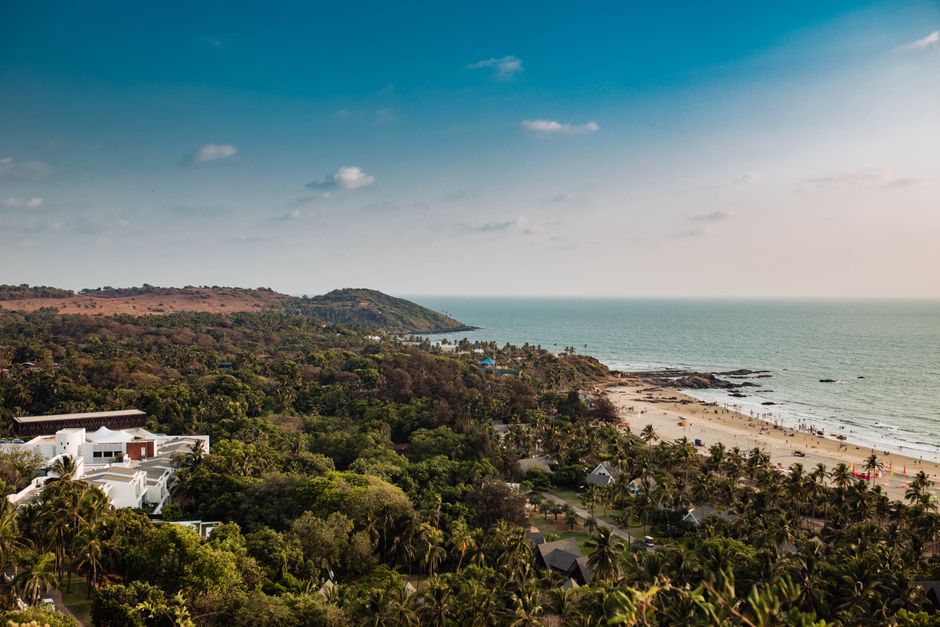
Accommodation Face-Off: Budget Hostels to Luxury Resorts
When planning your 2026 escape, the North Goa vs South Goa debate often starts with where you'll rest your head. The two halves of the state offer fundamentally different hospitality experiences, catering to opposite travel styles. North Goa’s accommodation scene is dense, competitive, and built for social butterflies, while South Goa specializes in sprawl, seclusion, and serenity. Your choice here dictates the rhythm of your entire trip.
In the north, you’re paying for proximity to the action. Properties stack tightly along the Calangute-Baga-Anjuna belt, ranging from hundred-rupee dorm beds to five-star brands like W and Taj. The competition keeps prices sharp, especially if you book a few weeks ahead for January or February 2026. South Goa flips the script entirely. Here, land is cheaper and the vibe is exclusive. You’ll find sprawling Portuguese-style mansions turned into boutique stays, eco-resorts hidden in palm groves, and luxury spa resorts with private beach access where you might not see another guest for hours.
Where to Stay in North Goa: Top Areas and Picks
North Goa divides into distinct micro-neighborhoods, each with a unique personality. Choosing the right base here is crucial because traffic can be dense, and you’ll want to minimize travel time to your preferred beach or party spot. The accommodation range is staggering, from co-working hostels to opulent pool villas.
Anjuna & Vagator: The heart of alternative Goa. Here you’ll find iconic hostels like Jungle Hostel and Pappi Chulo, where digital nomads and solo travelers congregate. Boutique options like The Hosteller Vagator offer private rooms with a social vibe. For luxury, W Goa defines this stretch, sitting directly on Vagator Beach with a legendary sunset-facing pool. The area is perfect for those wanting a mix of the trance-party legacy and upscale dining.
Calangute & Baga: The commercial core. This is the land of mid-range hotels, self-catering apartments, and small resorts tucked behind the main strip. If you want a clean air-conditioned room steps from a buzzing beach shack, this is your zone. It’s ideal for families who don’t mind crowds and want easy access to water sports. Look for places slightly off the main road to escape the noise, like compact boutique hotels with private courtyards.
Assagao: The stylish inland village. Just a 10-minute scooter ride from Vagator, Assagao has exploded as North Goa’s design district. Restored Indo-Portuguese villas like Mademoiselle Boutique and Villa 259 operate as high-end stays with plunge pools and art-filled rooms. This area is perfect for couples seeking a quiet, sophisticated retreat while staying within easy reach of the northern party circuit.
Morjim & Ashwem: The quieter northern frontier. Across the Chapora River, the vibe shifts down several gears. This stretch caters to Russian long-stayers and wellness seekers. You’ll find charming wooden cottages and beachfront resorts like La Cabana that offer yoga shalas and Ayurvedic massages right on the sand. It’s the best North Goa option for a tranquil beachside stay without fully committing to the south.
Practical tip: For a 2026 trip, book North Goa stays with flexible cancellation. The party calendar, including Sunburn or carnival dates, can cause sudden price spikes and sellouts.
Where to Stay in South Goa: Boutique Stays and Eco-Resorts
South Goa’s accommodation philosophy centers on space and slowness. The properties here are destinations in themselves, often designed to blend seamlessly with the coconut groves, paddy fields, and vast empty shorelines. You won’t find dormitories or backpacker strips here; the south trades in intimacy, whether that’s a family-run guesthouse or a world-class wellness resort.
Palolem & Patnem: The gentle heart of the south. Here, accommodation takes the form of colorful coco-huts (wooden beach huts) lining the sand. Places like Ciaran’s and Papillon offer rustic charm with attached bathrooms, steps from the gentle waves. For something sturdier, The Fern Gardenia provides boutique rooms tucked behind the beach. This area is ideal for barefoot luxury on a moderate budget, where your morning starts with a swim and your evening ends with a silent sunset.
Agonda: The serene escape. Agonda’s beach is a turtle nesting site, which restricts construction, keeping the vibe pristine. You’ll find exceptional boutique stays like Mariposa Grove, a forested retreat with elegant wooden cottages, or Dersy Beach Resort, which offers simple, tasteful rooms directly on the sand. The focus here is on eco-conscious living, with many properties using solar power and sourcing locally. It’s a haven for solo travelers seeking quiet reflection.
Benaulim & Varca: The luxury and heritage belt. This stretch is home to South Goa’s most prestigious addresses. The Taj Exotica spreads across 56 acres of landscaped gardens with a private beach, while the ITC Grand Goa offers palatial Indo-Portuguese architecture and lagoon-style pools. For boutique heritage, stay in an ancestral Portuguese villa in the nearby village of Loutolim, where families rent out elegantly furnished rooms steeped in history.
Canacona & Beyond: The eco-warrior’s dream. Further south, near the Karnataka border, you’ll find extreme eco-retreats. Places like Off-Grid Goa offer geodesic domes powered by renewable energy, set on a hilltop with panoramic forest views. These retreats focus on permaculture, digital detox, and reconnection with nature. It’s a raw, transformative experience far removed from any beach shack party.
Practical tip: Many South Goa resorts offer inclusive meal plans. Since standalone restaurants are spread far apart, opting for half-board or full-board can be a smart, hassle-free choice for your 2026 holiday.
Food and Nightlife: Shacks, Clubs, and Culinary Delights
The North Goa vs South Goa contrast is perhaps most starkly felt after sunset and at the dinner table. North Goa is India’s undisputed beach party capital, a place where the music doesn't stop and the seafood grills blaze until dawn. South Goa offers a radically different proposition: candlelit toes-in-the-sand dinners, family-run taverns, and the sound of waves replacing thumping bass. Your culinary and nocturnal expectations should heavily influence which side you pick for your 2026 trip.
In the north, eating and partying are intertwined. Beach shacks double as day clubs, and fine dining restaurants morph into high-energy cocktail bars as the night progresses. The south, by contrast, treats dining as a leisurely ritual and nightlife as a quiet, intimate affair. Both sides excel at Goan cuisine—the vindaloo, xacuti, and fresh catch are universal—but the presentation, pricing, and atmosphere around them differ wildly.
North Goa’s Legendary Nightlife and Beach Shacks
North Goa’s nightlife in 2026 continues to evolve, blending its famous trance heritage with a polished, cosmopolitan edge. The days of purely underground raves have given way to curated electronic music festivals, sleek cocktail bars, and beach clubs that could rival Ibiza or Bali.
Iconic Beach Shacks: The shack culture defines North Goa’s food scene. Places like Curlies on Anjuna Beach (a legacy spot) and Pousada by the Beach in Calangute serve fresh grilled kingfish, butter-garlic crab, and Goan fish curry thali right on the sand. Loungers and umbrellas are free if you’re eating or drinking. These shacks are perfect for a long, lazy lunch that stretches from a swim to a sunset beer.
Clubs and Late Nights: Tito’s Lane in Baga remains the neon-lit epicenter, with Tito’s and Mambo’s drawing massive crowds for Bollywood and commercial EDM. For a more sophisticated electronic music experience, head to Raeeth in Vagator or Thalassa in Siolim, which hosts spectacular sunset parties with international DJs and Greek-inspired decor. House of Chapora is another top pick for underground techno and deep house in a raw, banyan-tree setting.
Diverse Culinary Landscape: Beyond shacks, North Goa is a foodie’s playground. Assagao’s restaurant lane offers gems like Jamun for regional Indian sharing plates and Gunpowder for South Indian comfort food. Anjuna’s German Bakery remains a breakfast institution for wood-fired pizzas and smoothie bowls. For late-night bites, the bhurji-pao stalls and kebab carts near the Baga-Calangute junction are essential stops.
Practical tip: In 2026, many popular North Goa clubs require pre-booked guest lists for peak season weekends. Message the venue on Instagram a day ahead to secure your entry and avoid long queues.
South Goa’s Fine Dining and Quiet Evenings
South Goa’s food scene is an unhurried love affair with flavor, atmosphere, and tradition. You won’t find mega-clubs or thumping dance floors here. Instead, the evenings are lit by fairy lights in garden restaurants and the soft glow of candles on beach tables. The focus is overwhelmingly on the quality of the food and the intimacy of the setting.
Beachfront Dining at Palolem and Agonda: The southern beach shacks transform at dusk into romantic dining rooms. At Art Resort’s Little World on Palolem, you dine at tables set right on the sand under a canopy of lanterns, enjoying freshly caught lobster and Goan chorizo pulao. On Agonda Beach, Kopi Desa offers exceptional organic food with a Dutch-Indonesian twist, served on a quiet stretch of sand. The pace is slow, deliberate, and deeply relaxing.
Authentic Goan Taverns: Inland, you’ll discover authentic Goan tavernas that have served the same recipes for generations. Fernando’s Nostalgia in Raia is a legendary spot, offering dishes like roast tongue and pork sorpotel in a heritage home setting. Martin’s Corner in Betalbatim, made famous by celebrity visits, serves consistently excellent seafood like rava-fried mussels and crab xec xec in a lively, family-friendly courtyard.
Upscale Resort Dining: South Goa’s luxury resorts house some of the region’s best fine dining. The Riverside at ITC Grand Goa offers candlelit Italian dinners on a wooden deck over a lagoon. At Taj Exotica’s Lobster Shack, you can select your own lobster from a fresh catch display and have it grilled to perfection with peri-peri sauce. These experiences are pricey but represent the pinnacle of Goan coastal dining.
The Quiet Evening Ritual: Nightlife in the south means a silent disco at a Palolem shack, a live acoustic guitar set at a café in Patnem, or simply sharing a bottle of wine on your resort balcony. It’s designed for couples and families who want to connect over conversation rather than get lost in a crowd. A typical evening might end at 11 PM, leaving you refreshed for an early morning beach walk.
Practical tip: Some of the best local taverns in the south close by 3 PM and reopen for dinner at 7 PM. Plan your day trips accordingly so you don't miss out on a traditional Goan lunch.
Activities and Experiences: Adventure, Culture, and Beyond
The North Goa vs South Goa divide extends powerfully into what you’ll actually do each day. North Goa is an adrenaline-fueled playground of water sports and bustling markets, while South Goa is a sanctuary for nature lovers, heritage buffs, and those seeking a deeper, slower connection with the landscape. Yet, both sides of this tropical state share a few quintessential Goan experiences that no traveler should miss in 2026.
Your itinerary's personality depends entirely on which coast you choose. In the north, you’re likely to be parasailing one moment and hunting for vintage trinkets at a flea market the next. In the south, your day might involve kayaking through silent mangroves, spotting dolphins at sunrise, and walking through centuries-old Portuguese mansions. Understanding this split ensures you don't book a quiet heritage tour when you really crave a jet ski.
Water Sports and Thrills in North Goa
North Goa’s coastline is the undisputed hub for water-based adventure. The crowded beaches of Baga, Calangute, and Candolim operate like open-air sports centers. The sea here is generally safe for motorized activities during the October-to-May season, and the sheer density of operators means you can negotiate good deals.
You can try parasailing for a bird's-eye view of the coast, bump along on a jet ski, or hold on tight during a banana boat ride. For something more skill-based, book a surfing lesson at Ashwem Beach, where the waves are gentle and consistent for beginners. Anjuna and Vagator offer kayaking trips that explore the rocky cliffs and hidden coves inaccessible by road. Diving is also possible, with PADI centers near Grande Island offering day trips to explore shipwrecks and coral reefs teeming with marine life. The competitive market here means a 2026 traveler can easily bundle three activities into a single discounted package directly on the beach.
Nature Trails, Dolphin Watching, and Heritage in South Goa
South Goa’s activities trade horsepower for tranquility. The calm, clean waters of Palolem and Agonda are perfect for stand-up paddleboarding and sea kayaking. A standout experience is the early morning dolphin-watching trip from Palolem Beach. For a modest fee, local fishermen take small groups out into the bay, where you’re almost guaranteed to spot pods of playful humpback dolphins against a spectacular sunrise backdrop.
Inland, the Cotigao Wildlife Sanctuary offers a raw, dense forest experience with a treetop watchtower where you can observe monkeys, deer, and exotic birds. The heritage scene is equally rich. The grand mansions of Chandor, like the Braganza House, showcase exquisite Portuguese-era architecture with ballrooms, antique furniture, and private chapels. At the Cabo de Rama fort, you tread the line between history and nature, exploring ancient ramparts while soaking in jaw-dropping panoramic views of the Arabian Sea crashing against sheer cliffs. These experiences are quiet, deeply cultural, and often uncrowded even in peak 2026 season.
Shared Experiences: Spice Plantations, Markets, and Backwaters
Despite their differences, North and South Goa share a few unmissable experiences that define the state’s hinterland. A tour of a spice plantation, such as Sahakari Spice Farm near Ponda, is accessible from both sides. You’ll walk through groves of cardamom, vanilla, and black pepper, followed by a traditional Goan buffet lunch served on a banana leaf.
The famous flea markets also bridge the divide. The Anjuna Wednesday Flea Market in the north and the Palolem Saturday Night Bazaar in the south both offer a treasure hunt of handicrafts, jewelry, and tie-dye fashion. Finally, the backwaters of the Zuari and Sal rivers offer shared serenity. Whether you depart from Panjim or the south’s Cavelossim pier, a sunset cruise through mangroves, spotting kingfishers and crocodiles, is a quintessential Goan experience that transcends the regional rivalry.

Travel Logistics: Getting Around, Best Time, and Budget Tips
Understanding the practical side of things makes the difference between a smooth trip and a logistical headache. When weighing North Goa vs South Goa, the way you move, the season you pick, and how you spend your money will heavily influence which side feels right for you. Let’s break down the essentials so you can plan without the guesswork.
Transportation: Scooters, Taxis, and Buses
Renting a scooter or motorbike is the undisputed king of Goan transport, giving you the freedom to chase sunsets on a whim. In North Goa, rental shops are everywhere, especially around Calangute, Baga, and Anjuna, with a typical daily rate of ₹400–600 for a basic scooter. The roads here are busier and more chaotic, with narrow lanes leading to popular beaches often clogged with tourist traffic and parked cars. You can easily hop between the dense cluster of North Goa’s beach towns in 20 minutes or less, which makes bar-hopping and market-hopping a breeze. Just be prepared for random police checkpoints and the constant hum of other bikes around you.
South Goa requires a bit more planning on two wheels. Rental shops exist but are concentrated near Palolem, Benaulim, and Margao city, and you might need your hotel to arrange delivery if you’re staying somewhere secluded. The roads are wider, smoother, and significantly emptier, with long stretches winding through coconut groves and past quiet paddy fields. Renting a scooter here feels more like a scenic cruise than a survival game. A full tank will take you from the northern border of South Goa all the way down to the Karnataka state line with plenty of exploring in between. Do check your brakes before heading into the ghat sections near the interior villages.
Taxis in Goa operate without meters, relying on fixed-rate charts that can feel opaque to visitors. In North Goa, you’ll find cabs lingering outside every beach entrance and restaurant, and while the convenience is real, you’ll need to negotiate firmly and expect to pay ₹300–500 even for a short 5-kilometer ride. South Goa taxis are less ubiquitous, and drivers often quote higher rates for the longer distances between attractions, but you can usually arrange a reliable driver through your accommodation for full-day sightseeing at a pre-agreed price. App-based ride services operate in a limited capacity near Vasco and Panjim, but once you’re deep in either North or South Goa’s beach belts, don’t count on them.
Public buses are the wallet-friendly connective tissue of the state. The Kadamba Transport Corporation and private operators run frequent services along the main NH66 highway, shuttling between Panjim, Margao, and Mapusa hubs. Catching a bus from Panjim to Candolim or Calangute in the north costs under ₹30 and puts you right in the thick of things, while a bus from Margao to Palolem in the south costs about the same and gives you a slice of local life with every ride. The buses are basic, often crowded, and rarely air-conditioned, but they’re a fantastic option if you’re traveling light and don’t mind a slower pace. For getting between North and South Goa, the Panjim-Margao express bus is the fastest public option at around ₹40 and 45 minutes.
When to Visit: Weather, Crowds, and Festivals in 2026
November through February remains Goa’s prime window, with clear skies, low humidity, and daytime temperatures hovering around 28°C to 32°C. This is when the North Goa vs South Goa contrast sharpens most dramatically: the northern beaches buzz with peak-season energy, Christmas and New Year’s parties sell out weeks in advance, and every shacks-and-sand venue is in full swing. South Goa during these months feels pleasantly lively rather than overrun, with enough fellow travelers to create a social atmosphere without the jostling crowds. Book your stay by September 2026 if you’re aiming for late December, especially in North Goa, where the best spots vanish early.
March through May brings scorching heat and dripping humidity, with temperatures regularly nudging 35°C. This is the secret season for South Goa, where you can have entire stretches of beach to yourself and negotiate steep discounts on boutique resorts. North Goa simmers down too, but many beach shacks close by late April, and the party scene shrinks to a handful of stalwart venues. The monsoon, June through September, transforms both regions into lush green dreamscapes, but swimming is dangerous on the western coast, and many restaurants shutter. If you’re chasing Goa’s festivals in 2026, plan around Shigmo (March), the vibrant Hindu spring festival with parades in Panjim and Mapusa, or the November Sunburn electronic music festival that tilts the energy heavily toward the north.
Budget Breakdown: North Goa Costs vs. South Goa Costs
Your daily spend in Goa swings wildly depending on which side you plant your beach towel. In North Goa, a backpacker can get by on ₹1,500–2,500 per day with a basic guesthouse in Anjuna or Vagator, street food meals of fish thali and shawarma, and a scooter rental. Mid-range comfort with an air-conditioned hotel, drinks at beach shacks, and a couple of nicer dinners pushes you to ₹4,500–7,000 daily. South Goa’s budget spectrum starts similarly low in Palolem with basic huts around ₹1,200 per night, but the real value appears in the mid-range, where ₹4,000–6,000 per day gets you a significantly nicer room with a pool, quieter beachfront dining, and a more relaxed overall experience.
Alcohol and food prices reveal the clearest split. A Kingfisher beer at a North Goa beach shack runs ₹120–180, compared to ₹80–120 at a local bar in South Goa. North Goa’s fine-dining and international cuisine spots—serving everything from Tibetan momos to Neapolitan pizza—charge Mumbai-level prices, while South Goa’s restaurants lean heavily into fresh Goan seafood and Hindu Saraswat thalis at gentler rates. Accommodation is where South Goa truly shines for value: a charming Portuguese-era villa or a sea-view cottage in Benaulim often costs the same as a cramped hotel room behind Baga’s noisy main strip. If you’re splitting costs as a couple or group, South Goa stretches your rupees noticeably further while delivering more space and tranquility.
North Goa vs South Goa: Who Wins for Different Travel Styles?
The North Goa vs South Goa debate isn’t about which is objectively better—it’s about which one fits the trip you’re dreaming of. Your travel style, who you’re with, and what you want your days to feel like will point you clearly toward one side or the other. Let’s match each traveler type to their ideal Goan home base.
Solo Travelers and Backpackers
North Goa wins hands down for solo travelers craving instant social connections. Hostels in Anjuna, Vagator, and Arambol overflow with communal dinners, pub crawls, and dorm-room friendships that spark over cheap beers. You can walk to a different beach shack party every night, join a yoga class in the morning, and never feel alone unless you choose to be. South Goa suits the introspective solo traveler who wants solitude without isolation—Palolem’s quiet hostels and Benaulim’s family-run guesthouses offer peaceful retreats where conversations happen organically around sunset rather than at organized mixers.
Couples and Honeymooners
South Goa was practically designed for romance, with its secluded coves, candlelit beach dinners, and resorts that specialize in privacy. Imagine long hand-in-hand walks on empty sands, couples’ Ayurvedic spa treatments, and mornings where the only sound is the Arabian Sea and birdsong. North Goa works better for couples who bond over shared adventures—dancing at a silent disco together, exploring flea markets, and bar-hopping through a dozen different scenes in one evening. Choose North if your love language is excitement, South if it’s stillness.
Families and Groups
South Goa is the clear winner for families with young children or multi-generational groups. The calm, shallow waters of Benaulim and Cavelossim are safe for little ones to paddle in, lifeguards are present on major beaches, and resorts offer kids’ pools, high chairs, and connecting rooms without the late-night noise. North Goa can suit families with teenagers who want activities and energy—parasailing at Baga, dolphin-watching trips, and the buzz of Calangute’s strip—but you’ll need to carefully pick a hotel set back from the loudest party zones to keep evenings peaceful.
Digital Nomads and Long-Term Stays
North Goa’s digital nomad scene is thriving in 2026, with Anjuna and Assagao packed with co-working spaces offering high-speed internet, ergonomic chairs, and networking events. The endless café culture means you can laptop-hop for weeks, and the international community makes building a social circle effortless. South Goa is emerging as a slower, more focused alternative—Palolem has reliable fiber connections in many guesthouses, and the lack of a frantic party scene makes deep work easier. Your cost of living stretches further in South Goa for a monthly rental, but you’ll sacrifice the spontaneous meetups that make North Goa’s nomad life so addictive.
Final Thoughts: Crafting Your Perfect Goan Itinerary
The beauty of Goa is that you don’t actually have to choose one side and ignore the other. The distance between the northernmost party hub and the southernmost quiet cove is barely two hours by road, which means your 2026 trip can hold multitudes. The smartest itineraries treat North and South Goa as complementary chapters of the same story rather than competing destinations. You might start your journey with four days in the north, diving headfirst into the electric chaos of Anjuna’s flea market, the thumping basslines of Vagator’s cliffside venues, and the bohemian swirl of Arambol’s sunset drum circles. Then, just when the pace begins to feel overwhelming, you pack your bag, point your scooter south, and let the landscape shift around you—the billboards thin out, the traffic evaporates, and suddenly you’re gliding past palm-shadowed churches and rivers that reflect the sky like polished glass.
What makes this two-act structure so satisfying is how each side heightens the other. After days of South Goa’s deep quiet—the sound of waves and the occasional chime of a temple bell—you might find yourself craving one more night of music and masala-fried prawns under string lights. Conversely, after a run of late nights in the north, the soft, slow mornings of a South Goa beach hut with a book and a fresh lime soda feel like a revelation. Rather than asking which side is better, ask yourself what you need first. If you land in Goa exhausted and desperate for calm, head straight south to Benaulim or Agonda and let the north be your grand finale. If you arrive buzzing with pent-up wanderlust and a hunger for social energy, let the north fill your cup first, then let the south teach you how to exhale.
In 2026, Goa continues to hold its glorious contradictions together with an ease that feels almost magical. It’s a place where a morning can begin with a solitary swim at a secret southern beach and end with dancing barefoot in a northern paddy-field rave. The key is to build an itinerary flexible enough to follow your mood. Book your first few nights, leave gaps in the middle, and trust that Goa will reveal what you need next. Whether you fall in love with the north’s relentless pulse or the south’s serene embrace, you’ll leave understanding that the real answer to the North Goa vs South Goa question is wonderfully simple: it’s all Goa, and it’s all waiting for you.
Gear for this trip
As an Amazon Associate I earn from qualifying purchases.


No comments:
Post a Comment