
In This Article
- Why the Mekong Delta is a Motorcyclist’s Dream
- Best Time to Ride the Mekong Delta
- Getting Your Motorcycle Ready: Rentals, Gear, and Paperwork
- The Ultimate Mekong Delta Motorcycle Route: A Day-by-Day Itinerary
- Top Stops and Hidden Gems Along the Way
- Navigating the Delta: Road Conditions, Ferries, and Traffic
- Safety Tips for Motorcycling in the Mekong Delta
- Packing List for a Mekong Delta Motorcycle Adventure
- Final Thoughts: Is a Mekong Delta Motorcycle Trip Right for You?
Why the Mekong Delta is a Motorcyclist’s Dream
There is no better way to experience southern Vietnam than on two wheels. A Mekong Delta motorcycle trip guide might promise you scenic routes, but the reality is even richer: a living labyrinth of water, green, and human warmth that unfolds at the pace of your throttle. The Delta does not feel like a destination you arrive at. It feels like a place you ride through, slowly, with the wind carrying the scent of river mud, ripe fruit, and roadside pho. For riders who crave sensory overload in the best possible way, this region delivers like nowhere else on Earth.
Unlike the mountain passes of the north, the Delta’s magic lies in subtlety. The roads are mostly flat, but every kilometer offers something to look at. You will cross bridges that seem too narrow to be real, pass orchards heavy with pomelo and dragon fruit, and wave at children on bicycles who shout hello with unguarded joy. The riding is accessible, but never boring. For anyone researching a Mekong Delta motorcycle trip guide, the first thing to understand is that this is not about high-speed thrills. It is about connection—to the land, to the water, and to the people who call this place home.
The Unique Landscape: Rivers, Rice Paddies, and Lush Greenery
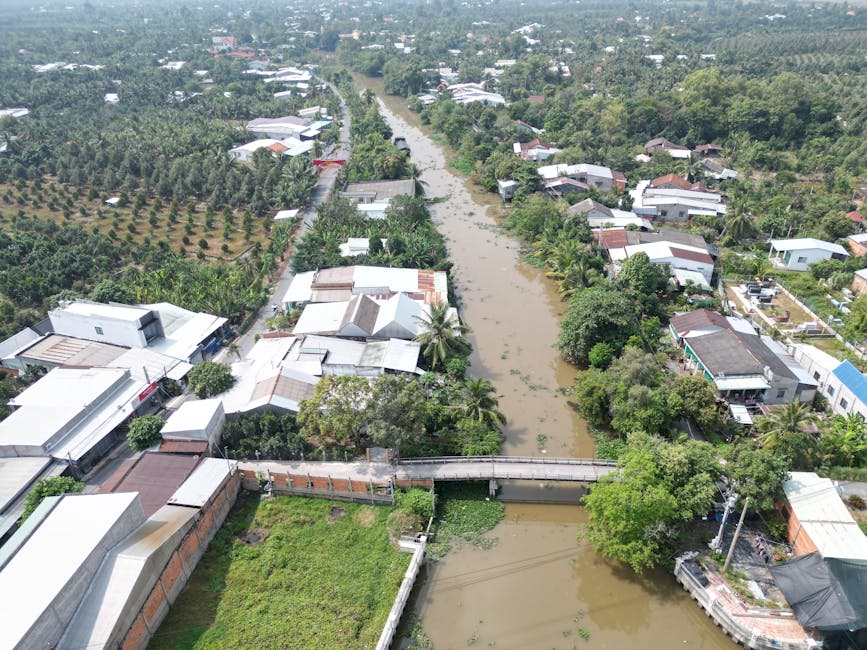
The Mekong Delta is often described as Vietnam’s rice bowl, but that phrase does not prepare you for the visual rhythm of the place. Endless rice paddies stretch to the horizon, their color shifting through the seasons from electric green to soft gold. Canals slice through the land in every direction, some no wider than a country lane. Palm trees lean over the water, and wooden boats bob gently beside concrete ferry landings. Riding here means constantly adjusting your eyes to layers of green—bright, dark, shimmering, and shadowed.
What surprises many riders is how much of life happens at the water’s edge. Houses sit on stilts above the canals, with hammocks strung between posts and laundry drying in the sun. You will pass through villages where the main street is a river, and the only traffic jam is a cluster of sampans loaded with pineapples. The roads themselves often run parallel to these waterways, giving you a front-row seat to a world that functions without cars. This is a landscape that asks you to slow down, look longer, and appreciate how water shapes every part of daily life.
Cultural Immersion on Two Wheels
A motorcycle puts you directly into the cultural bloodstream of the Delta. You are not behind glass. You smell the fish drying by the road, hear the clatter of a workshop, and feel the heat rising off the pavement. Locals see you differently too. A rider becomes approachable in a way a bus passenger never will. People wave, smile, and invite you to stop. You might be offered a cup of tea at a roadside stall or asked where you are from by a curious grandmother shelling beans in the shade.
Stopping at a floating market, visiting a family-run coconut candy workshop, or simply eating lunch at a plastic table next to a canal feels natural on a motorcycle. You can follow a narrow path on a whim, discover a temple with no tourists, or watch a wedding procession pass by in a blur of color. This is immersion without a script. The Delta’s culture is generous and unpretentious, and two wheels give you the freedom to accept that generosity whenever it appears.
The Thrill of the Ride: Roads Less Traveled
The thrill here is not about hairpin turns or steep climbs. It is about discovery. A tiny concrete path veers off the main road, and suddenly you are riding between fruit orchards with no other vehicles in sight. A ferry crossing becomes an adventure, loading your bike between motorbikes, bicycles, and baskets of ducks. These small moments add up to a ride that feels entirely your own.
You will learn to read the road differently here—watching for a sudden patch of sand, a wandering cow, or a section where the asphalt gives way to red dirt. That unpredictability is part of the appeal. The Delta rewards riders who stay present and curious, and punishes only those in a hurry.
Best Time to Ride the Mekong Delta
Timing matters for any motorcycle journey, and the Mekong Delta has a climate all its own. This is the tropics, which means heat and humidity are constants, but rainfall is the real variable. A well-planned Mekong Delta motorcycle trip guide must account for the monsoon, the dry months, and the transitional periods in between. The good news is that the Delta is rideable year-round. The better news is that choosing the right season can transform your experience from merely good to unforgettable.
Most riders aim for the dry season, which runs roughly from December to April. During these months, the skies are often clear, the roads are dry, and the river levels are lower. But the dry season also brings intense midday heat. Smart riders start early, rest in the afternoon, and ride again in the cooler late hours. The rainy season, from May to November, brings daily downpours that are usually short but intense. Riding in the rain here is manageable with the right gear, and the landscape becomes impossibly green. The choice comes down to your tolerance for heat versus rain.
Dry Season vs. Rainy Season: What to Expect
The dry season offers the most predictable riding conditions. Roads are firm, visibility is generally good, and you can plan longer days without worrying about afternoon storms washing out your route. The tradeoff is heat. Temperatures can climb above 35°C, and the humidity makes it feel hotter. You will need to hydrate constantly and protect yourself from the sun. The light during this season is also spectacular, especially in the early morning when mist rises off the canals and rice fields glow gold.
The rainy season is not the disaster many first-time riders fear. Rain usually arrives in the late afternoon and passes quickly. Mornings are often clear and beautiful. The roads drain reasonably well in most areas, though rural paths can get muddy and slippery. The advantage of riding in the rainy season is the landscape itself. Everything is lush, waterfalls appear where none existed, and the air feels cleaner. You will also encounter far fewer tourists. If you pack a good rain suit and embrace the downpours, this can be a magical time to ride.
Month-by-Month Weather Breakdown
December through February is the peak riding window. Days are warm but not brutal, nights are pleasant, and rain is rare. This is the most comfortable period for long days in the saddle. March and April are hotter and drier, with temperatures peaking in April. If you ride during these months, plan your route around shaded roads and carry more water than you think you need. May signals the start of the rains, with showers becoming more frequent but usually brief.
June through August brings the heaviest rainfall, often arriving as dramatic afternoon thunderstorms. Mornings remain rideable, and the countryside is at its greenest. September and October see the river at its highest, and some low-lying roads can flood temporarily. November is a transition month, with rain tapering off and temperatures starting to ease. Each month has its own character, and a flexible itinerary will serve you well.
Festivals and Events Worth Planning Around
Tet, the Lunar New Year, usually falls in late January or February and transforms the Delta with flowers, markets, and family gatherings. The Ok Om Bok festival in Tra Vinh celebrates the Khmer moon with boat races and is a cultural highlight worth timing your ride around.
Getting Your Motorcycle Ready: Rentals, Gear, and Paperwork
Preparation is the foundation of any successful ride, and the Mekong Delta demands a specific kind of readiness. This is not a wilderness expedition, but it is also not a route where you can assume every town has a mechanic and every road is smooth. A thoughtful Mekong Delta motorcycle trip guide covers the practical side of riding here: what bike to choose, what gear to bring, and what paperwork you actually need. Getting these details right before you twist the throttle means more time enjoying the Delta and less time dealing with avoidable problems.
The good news is that Vietnam’s motorcycle culture is robust. You are never far from a repair shop, a tire inflator, or someone who can fix a chain with a hammer and a smile. But relying on that network is easier when your bike is reliable from the start. Whether you rent or buy, choose a machine that suits the terrain. The Delta’s flat roads do not require a massive adventure bike. A smaller, lighter motorcycle is often more maneuverable on narrow paths and easier to handle on wet pavement.
Renting a Motorcycle in Vietnam: Options and Costs
Renting a motorcycle for a Mekong Delta trip is straightforward, especially if you start in Ho Chi Minh City or Can Tho. Most rental shops offer semi-automatic bikes like the Honda Wave or Yamaha Sirius, which are perfect for the Delta. These bikes are light, fuel-efficient, and easy to repair anywhere. Expect to pay between 150,000 and 250,000 VND per day for a basic semi-automatic. A full manual bike like a Honda XR150 costs more, usually 400,000 to 600,000 VND per day, but offers more comfort for longer distances.
Check the bike carefully before you leave. Test the brakes, horn, lights, and mirrors. Look at the tire tread. Ask about the tool kit and whether a spare tube is included. A small deposit or passport copy is standard, but never leave your original passport with a rental shop. If you plan to ride for more than a week, negotiate a lower daily rate. One-way rentals between major cities are possible but usually cost extra.
Essential Gear for the Delta’s Climate and Roads
The Delta’s heat and humidity mean you will sweat, but that does not mean you should ride unprotected. A lightweight mesh jacket with armor is ideal. It allows airflow while protecting your elbows and shoulders. Wear long pants and closed shoes, even if it feels warm. Sunburn at speed is real, and so is road rash. A full-face or modular helmet is non-negotiable, and a pair of riding gloves will save your hands from sun and vibration.
Pack a compact rain suit that fits over your regular gear. Rain in the Delta can appear suddenly, and being soaked for hours is miserable. A waterproof bag or dry sack for your electronics and clothes is worth its weight in gold. Bring a neck gaiter to cover your face from dust and sun, and carry a basic first-aid kit with antiseptic, bandages, and rehydration salts. A phone mount for navigation is useful, but keep a paper map or offline GPS as backup.
Licenses and Permits: What You Legally Need
To ride legally in Vietnam, you need a valid Vietnamese motorcycle license or an International Driving Permit that includes motorcycle endorsement, combined with your home license. Since 2015, the 1968 Vienna Convention IDP is recognized, but many riders still use the 1949 Geneva version. Check which one your home country issues before you travel. Without a proper license, your travel insurance may not cover you in an accident, and police checkpoints can result in fines.
Carry your passport or a notarized copy, your license, and your rental agreement at all times. Registration papers for the bike should be in the rental shop’s name, and you should have a copy with you. Police in the Delta are generally friendly, but they do conduct random checks, especially on highways. Being polite, patient, and carrying the right documents will resolve most situations quickly. Do not ride without insurance. A comprehensive travel policy with motorcycle coverage is essential for peace of mind.

The Ultimate Mekong Delta Motorcycle Route: A Day-by-Day Itinerary
This eight-day route gives you the best mix of smooth highways, bumpy backroads, and ferry crossings without ever feeling rushed. You can stretch it to ten days if you want more time for hammock naps and riverside coffee, but this pacing works well for most riders on a standard 125cc semi-automatic bike. Each day keeps mileage moderate so you arrive early enough to explore on foot before dark.
Day 1-2: Ho Chi Minh City to My Tho and Ben Tre
Escape the city chaos early, ideally by 7:00 AM, using QL1A or the quieter provincial road DT827E toward My Tho. The first hour is the hardest, with dense traffic thinning as you cross into Tien Giang province.
- Stop at Vinh Trang Pagoda, a striking blend of Vietnamese, Khmer, and European architecture just outside My Tho.
- Cross the Rach Mieu Bridge to Ben Tre, the coconut capital, and base yourself in a small riverside guesthouse.
- Spend day two exploring narrow lanes shaded by coconut palms, stopping at family-run candy workshops and brick kilns.
- Try a sampan ride on the smaller canals near Con Phung, but skip the crowded tour boats in favor of local ferries.
Day 3-4: Tra Vinh and the Khmer Heartland
Ride south on QL60 toward Tra Vinh, one of the least touristy provinces in the Delta. The landscape shifts to vast rice paddies dotted with Khmer-style temples painted in ochre and gold.
- Visit Ang Pagoda and Hang Pagoda, both featuring intricate wood carvings and peaceful monastery grounds.
- Stay overnight in Tra Vinh town or push on to a homestay near Ba Om Pond, a lotus-filled lake surrounded by ancient trees.
- Day four offers a loop through Cau Ngang and Duyen Hai, where coastal wind farms meet quiet fishing villages.
Day 5-6: Can Tho and the Floating Markets
Head west on QL60 then join QL1A briefly before turning off toward Can Tho. The city is the Delta's largest, but the real draw sits on the water.
- Wake before dawn on day six for Cai Rang floating market, best experienced from a small hired boat around 6:00 AM.
- Skip Phong Dien market if you want fewer boats and more authentic trading, as it has become quieter in recent years.
- Spend the afternoon at Binh Thuy Ancient House, a beautiful French-colonial home with ornate interiors.
- Eat grilled snakehead fish at a riverside restaurant in the evening.
Day 7-8: Chau Doc and the Cambodian Border Region
The ride from Can Tho to Chau Doc along QL91 is smooth and scenic, passing through Long Xuyen with its floating fish farms.
- Climb Sam Mountain for sunset views over the flat delta and distant Cambodian border.
- Visit the Lady Chua Xu Temple, a major pilgrimage site, and the nearby Tay An Pagoda.
- On day eight, take a boat to the Cham village across the Bassac River to see stilt houses and a mosque.
- End the route here, or continue to Ha Tien for a coastal extension.
Top Stops and Hidden Gems Along the Way
The Mekong Delta rewards riders who turn off the main road without a fixed plan. Some of the best moments happen when you pull over for a drink and end up invited into someone's home for fruit and tea. These picks are worth seeking out, but leave room for spontaneous detours.
Must-See Temples and Pagodas
Khmer temples in Tra Vinh and Soc Trang feel completely different from Vietnamese pagodas, with colorful murals and steep rooflines.
- Vinh Trang Pagoda near My Tho blends three architectural styles in one complex.
- Ang Pagoda in Tra Vinh houses hundreds of intricate statues and a school for young monks.
- Bat Pagoda in Soc Trang is home to thousands of fruit bats hanging in the trees.
- Ba Chuc Mausoleum near Chau Doc is a sobering but important historical site.
Off-the-Beaten-Path Villages and Homestays
Skip the large tourist homestays and look for small family operations where you sleep in a simple wooden house on stilts.
- Con Chim, a tiny islet near Ben Tre, offers quiet lanes and birdwatching with almost no traffic.
- Ba Om Pond outside Tra Vinh has a few basic homestays run by Khmer families.
- Con En Island near My Tho remains overlooked by most tours, with rustic paths and friendly locals.
- Ask at local cafes about "nha nghi" or small guesthouses rather than booking online in advance.
The Best Local Eats: From Street Food to Riverside Restaurants
Every town has a market, and every market has food stalls that serve better meals than most restaurants. Eat where the locals queue.
- Banh xeo in Ben Tre comes stuffed with shrimp and bean sprouts, served with wild herbs.
- Hu tieu My Tho is a clear pork broth with chewy noodles and fresh herbs, best at street stalls.
- Lau mam in Can Tho is a fermented fish hotpot that sounds intimidating but tastes incredible.
- Bun nuoc leo in Soc Trang combines rice noodles with a rich fish and pork broth, topped with roasted pork.
- Riverside restaurants in Chau Doc serve grilled snakehead and fresh river prawns with tamarind sauce.
Navigating the Delta: Road Conditions, Ferries, and Traffic
Riding in the Mekong Delta is easier than many travelers expect, but the conditions change quickly. One minute you are on smooth asphalt, the next you are dodging potholes on a narrow concrete lane. Knowing what to expect keeps the trip fun instead of stressful.
Understanding the Road Network: Highways vs. Backroads
Main highways like QL1A and QL60 are well paved but busy with trucks and buses. Backroads are far more scenic and quiet, but surfaces vary wildly.
- Concrete roads are common in rural areas and can be slippery when wet.
- Dirt and gravel sections appear suddenly, especially near riverbanks and construction zones.
- Google Maps works reasonably well but sometimes routes you onto paths that are more like footbridges.
- Carry a physical map or download offline maps before leaving each town.
Ferry Crossings: Schedules, Costs, and Tips
Ferries are a highlight of any Mekong Delta motorcycle trip guide, not an inconvenience. They run frequently and cost almost nothing.
- Most ferries operate from early morning until late evening, with boats departing every 15 to 30 minutes.
- Motorbike tickets usually cost between 5,000 and 15,000 VND depending on the crossing.
- Board after cars and trucks, and park your bike near the front for a quick exit.
- Keep small bills handy, as attendants rarely have change for large notes.
Dealing with Traffic: Urban vs. Rural Riding
Urban traffic in Can Tho or My Tho feels busy but moves at low speed, making it manageable if you stay predictable. Rural riding is calmer but has its own surprises.
- In cities, follow the flow and avoid sudden lane changes, as locals expect smooth, gradual movements.
- Watch for children, dogs, and chickens crossing village roads without warning.
- Large trucks dominate highways, so keep left and let them pass when you hear the horn.
- Ride slower after rain, as mud from fields washes onto rural roads and becomes slick.
Safety Tips for Motorcycling in the Mekong Delta
Riding a motorcycle through the Mekong Delta is one of the most rewarding ways to experience southern Vietnam, but it comes with real risks that first-time visitors often underestimate. The good news is that most hazards are predictable once you know what to look for. This Mekong Delta motorcycle trip guide section covers the practical safety knowledge you need before you twist the throttle.
Traffic in the Delta is slower and less chaotic than in Ho Chi Minh City, but it has its own rhythm. Trucks, buses, cyclos, bicycles, and wandering water buffalo all share narrow roads. Expect the unexpected, keep your speed moderate, and always have an escape route in mind. Defensive riding is not optional here.
Your horn is a communication tool, not an insult. Use it gently when approaching blind corners, passing slower vehicles, or entering villages. A quick beep lets others know you are there. Headlights should stay on even during daylight hours to improve visibility.
Never ride at night unless absolutely necessary. Roads are poorly lit, animals roam freely, and drunk driving is more common after dark. Plan your daily distances so you arrive at your guesthouse before sunset. If you do get caught out, reduce speed significantly and follow a local vehicle at a safe distance.
Alcohol and riding simply do not mix. A cold beer at the end of the day is one of the great pleasures of a Delta trip, but wait until the bike is parked for good. Vietnamese police conduct random breathalyzer checks, and the legal limit for foreigners is effectively zero tolerance.
Common Hazards: Potholes, Animals, and Weather
Potholes are everywhere in the Mekong Delta, and they range from small cracks to axle-breaking craters. They often hide in shadows under trees or fill with water after rain, making them nearly invisible. Scan the road surface constantly and avoid sudden swerving, which can send you into oncoming traffic. If you cannot avoid a pothole, slow down, grip the handlebars firmly, and hit it straight on rather than at an angle.
Loose gravel and sand are common near construction zones and unpaved side roads. Brake gently and avoid leaning the bike hard when crossing these patches. Wet roads become extremely slippery, especially during the rainy season from May to November. The first thirty minutes of rain are the most dangerous as oil and dust rise to the surface.
Animals are a constant presence. Ducks, chickens, dogs, and pigs cross the road without warning. Water buffalo are large, slow, and unpredictable. If an animal is in your path, slow down and wait rather than trying to swerve around it. Honking usually scares smaller animals away, but buffalo may not react at all.
Weather in the Delta changes quickly. Sudden downpours reduce visibility to near zero within minutes. Carry a lightweight rain poncho and be prepared to pull over under shelter until the worst passes. Strong winds on open bridges and exposed causeways can push a light motorcycle sideways, so lean into the wind and keep your speed steady.
Health and Emergency Preparedness
Before starting your Mekong Delta motorcycle trip, make sure your travel insurance explicitly covers motorcycle riding. Many standard policies exclude motorbikes above 50cc or require an international driving permit. Check the fine print carefully. Without proper coverage, a hospital visit or bike repair could cost thousands of dollars out of pocket.
Carry a basic first aid kit with antiseptic wipes, bandages, gauze, medical tape, and painkillers. Minor scrapes are common, and pharmacies may be far from rural routes. Include any personal medications you need, as specific brands may not be available in small Delta towns.
Save emergency numbers in your phone before you leave. The national emergency number is 115 for ambulance services, 113 for police, and 114 for fire. Also save the number of your embassy or consulate in Ho Chi Minh City. Most guesthouse owners can help you contact local clinics if needed.
Stay hydrated and protect yourself from the sun. Heat exhaustion creeps up slowly and affects your reaction time. Drink water at every stop, wear sunscreen, and cover your arms with a light long-sleeve shirt. If you feel dizzy or unusually tired, stop riding immediately and rest in the shade.
Riding Etiquette and Local Customs
Vietnamese road culture has unwritten rules that keep traffic flowing. The biggest vehicle typically has right of way, but in practice, everyone negotiates space constantly. Make eye contact with other drivers at intersections, signal your intentions early, and never assume someone will yield just because they should.
Passing happens on both sides, so check your mirrors frequently and stay predictable. If a faster vehicle comes up behind you, move slightly right to let them pass. Do not take it personally. It is simply how traffic moves here.
When stopping in villages, smile and greet locals with a simple "xin chào" (hello). Ask permission before taking photos of people, especially older residents. Dress modestly when visiting temples and pagodas along your route, covering shoulders and knees.
Parking is usually informal, but always ask a nearby shop or home owner if you can leave your bike. A small tip of 5,000 to 10,000 VND is appreciated. Never park blocking a doorway, shrine, or market stall. Showing respect for local spaces goes a long way in rural communities.
Packing List for a Mekong Delta Motorcycle Adventure
Packing light is essential for a motorcycle trip through the Mekong Delta. Every extra kilogram affects handling, fuel efficiency, and your comfort over long days in the saddle. The ideal setup is one medium backpack or a pair of soft saddlebags plus a small tank bag for valuables. Hard luggage is overkill for Delta roads and makes squeezing through tight village streets more difficult.
The climate is hot and humid year-round, so you will not need bulky cold-weather gear. Focus on lightweight, quick-drying fabrics that can be rinsed in a sink and dried overnight. Laundry services are cheap and widely available in most towns, so three to four days of clothing is plenty.
This Mekong Delta motorcycle trip guide recommends packing for two scenarios at once: sunny, sweaty daytime riding and sudden tropical downpours. Your gear should handle both without forcing you to stop and repack constantly. A dry bag or waterproof liner inside your main luggage protects electronics and documents no matter what the sky does.
Remember that you can buy almost anything in Vietnam. Toiletries, basic tools, and even riding gear are available in larger Delta cities like Can Tho and My Tho. If you forget something minor, do not panic. Part of the adventure is adapting with what you find along the way.
Clothing and Protective Gear
A proper helmet is non-negotiable. If you rent a bike, the provided helmet may be flimsy or ill-fitting. Consider bringing your own lightweight open-face or modular helmet from home, or buy a quality one in Ho Chi Minh City before heading south. Full-face helmets offer the best protection but can feel hot in the Delta humidity.
Wear a lightweight armored jacket or at least a long-sleeve riding shirt with elbow protection. Mesh jackets with removable liners work brilliantly in tropical climates. Gloves protect your hands from sun, blisters, and abrasion in a fall. Choose ventilated gloves designed for warm weather.
Sturdy shoes that cover your ankles are important. Sneakers work, but light hiking boots or riding shoes offer better protection. Avoid sandals and flip-flops while riding, no matter how tempting the heat makes them. Long pants made from durable fabric protect your legs from sunburn and exhaust pipe burns.
A compact rain suit or poncho is essential. Look for one that packs into its own pouch and can be pulled on quickly at the roadside. Bright colors improve your visibility in heavy rain. A neck gaiter or bandana keeps dust off your face and can be soaked in water for evaporative cooling.
Tools, Spares, and Navigation Aids
Most rental bikes in Vietnam come with a basic tool kit, but quality varies wildly. Bring a small multi-tool, tire pressure gauge, and a compact puncture repair kit with CO2 cartridges or a mini pump. Flat tires are the most common mechanical issue you will face in the Delta, and repair shops can be far apart on rural routes.
Carry spare fuses, a spark plug, and zip ties. These tiny items weigh almost nothing but can get you to the next town if something electrical fails. A length of duct tape wrapped around a pen handles dozens of emergency fixes, from cracked fairings to loose mirrors.
Your smartphone is your best navigation tool, but it needs protection. Use a waterproof handlebar mount and a USB charger wired to the bike battery. Download offline maps in Google Maps or Maps.me before you leave, as mobile data can be patchy in remote Delta areas. A power bank keeps your phone alive through long days.
A paper map serves as a backup and conversation starter with locals. Pointing at a map often works better than pronouncing Vietnamese place names. Write down your destination in Vietnamese on a small card to show people when asking directions.
Personal Items and Documents
Keep your passport, Vietnamese visa, driver's license, and international driving permit in a waterproof pouch. Photocopy everything and store copies separately from the originals. Your rental agreement and insurance documents should also be easily accessible at police checkpoints.
A small dry bag protects your phone, wallet, and camera during river crossings and sudden storms. Bring a headlamp for navigating dark guesthouse stairwells and rural streets at night. Earplugs help you sleep in noisy towns where roosters start crowing at 4 a.m.
Sunscreen, insect repellent, and lip balm with SPF are daily essentials. Pack a quick-dry towel and basic toiletries in a hanging organizer. Hand sanitizer and wet wipes are useful because roadside toilets often lack soap and paper.
Final Thoughts: Is a Mekong Delta Motorcycle Trip Right for You?
A motorcycle journey through the Mekong Delta is not for everyone, and that is perfectly fine. It demands patience, adaptability, and a willingness to embrace discomfort. The roads can be rough, the heat relentless, and the traffic unpredictable. If you need rigid itineraries, predictable schedules, and climate-controlled comfort, you might be happier exploring the Delta by car or organized tour. But if you are the kind of traveler who smiles when plans change, who finds joy in a roadside bowl of hủ tiếu shared with strangers, and who believes the journey matters as much as the destination, then this adventure will stay with you forever.
What makes this region so special is not a single landmark or viewpoint. It is the accumulation of small moments: a ferry crossing at sunrise, a farmer waving from a rice field, the smell of incense drifting from a village temple, a sudden rainstorm that forces you under an awning where an old woman offers you tea. A motorcycle strips away the barriers between you and these experiences. You feel the heat, smell the river, hear the market chatter, and become part of the landscape rather than a passenger moving through it.
This Mekong Delta motorcycle trip guide has covered routes, hazards, packing, and practical tips, but no guide can fully prepare you for the real thing. The Delta has its own pace and its own logic. The best riders here are humble, observant, and willing to learn. Ride slowly, smile often, and trust that the road will reveal what you need. Whether you spend three days or three weeks exploring its waterways and backroads, you will leave with a deeper understanding of Vietnam and, quite possibly, of yourself.
Gear for this trip
- Lightweight Mesh Motorcycle Jacket
- Motorcycle Rain Suit
- Waterproof Motorcycle Phone Mount
- Motorcycle Puncture Repair Kit
- Quick-Dry Travel Towel
As an Amazon Associate I earn from qualifying purchases.


No comments:
Post a Comment