
In This Article
- Why Ride the Transfagarasan Highway in 2026?
- Route Overview: Navigating the Transfagarasan from North to South
- 2026 Road Conditions and Opening Dates: What to Expect
- Essential Motorcycle Gear and Preparation for the Transfagarasan
- Where to Stay: Accommodation Options Along the Route (2026 Edition)
- Fuel, Food, and Facilities: Practical Stops on the Transfagarasan
- Scenic Stops and Photo Opportunities You Can’t Miss
- Combining the Transfagarasan with Other Romanian Motorcycle Routes
- Wrapping Up Your Transfagarasan Adventure
Why Ride the Transfagarasan Highway in 2026?
The Transfagarasan Highway isn't just a road—it's a rite of passage for motorcyclists worldwide. Winding through the Fagaras Mountains, Romania's most spectacular alpine route delivers a sensory overload that no other European pass can quite match. In 2026, the experience promises to be even more rewarding as infrastructure improvements make the journey smoother while the raw, untamed character of the Carpathians remains gloriously intact. Whether you're chasing hairpin perfection or simply want to breathe air that tastes of pine and adventure, this Transfagarasan motorcycle guide 2026 will help you plan every kilometer.
The road climbs to 2,042 meters, threading through tunnels, past glacial lakes, and along vertiginous drops that demand respect and reward skill. For 2026, riders can expect enhanced safety barriers on the most exposed sections and freshly repaved stretches that eliminate some of the notorious potholes from previous seasons. Yet the essence of the ride—the dizzying ascent, the sudden weather shifts, the bears watching from the treeline—remains deliciously wild.
Romania's tourism infrastructure continues evolving, with better accommodation options near both entrances and more English-speaking services. Fuel stations remain strategically placed, though planning your refueling stops remains essential. The 2026 season also brings tighter environmental protections, meaning the pristine alpine meadows and crystal-clear streams stay unspoiled for generations of riders to come.
What Makes the Transfagarasan a Bucket-List Motorcycle Road
Jeremy Clarkson famously declared it the best road in the world, and for once, the hyperbole feels justified. The Transfagarasan delivers 90 kilometers of near-continuous cornering heaven, with more hairpin bends than most riders encounter in a lifetime. What sets it apart from alpine passes in Switzerland or Italy is the sheer drama of its construction—a communist-era engineering marvel blasted through solid rock, designed as a military escape route and now serving as a playground for two-wheeled enthusiasts.
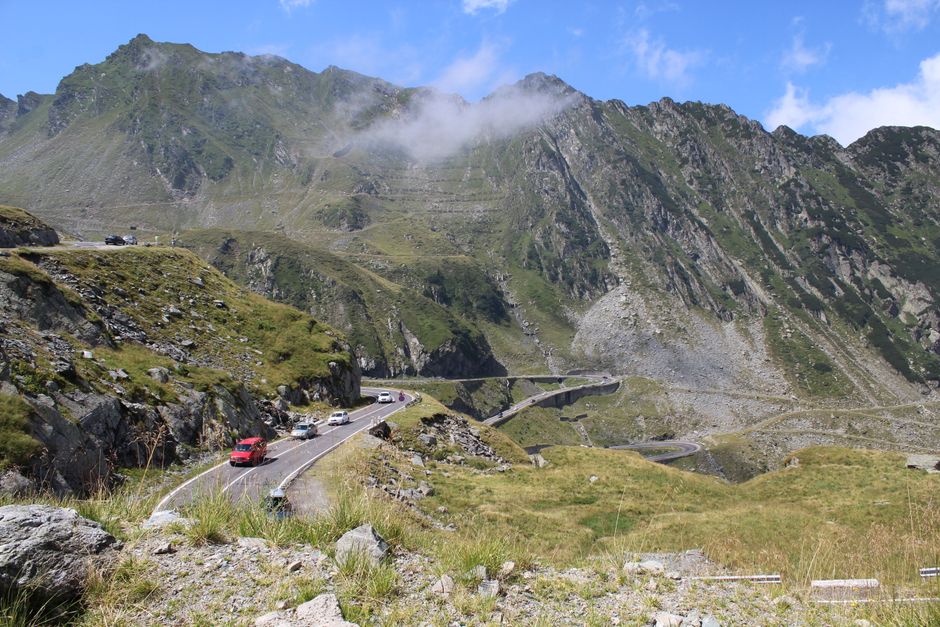
The northern section climbs relentlessly through dense spruce forests before bursting above the treeline into a moonscape of granite and glacial lakes. Every hairpin reveals a new panorama, each more breathtaking than the last. The road surface varies from silky smooth asphalt to rougher sections that keep you alert, demanding constant attention to line choice and body position. This isn't a road for passive cruising; it's an active, engaging ride that leaves your arms pleasantly tired and your memory card full.
Wildlife encounters add another dimension entirely. Brown bears frequently amble near the roadside, particularly during early morning hours. Shepherds move their flocks across high pastures, and golden eagles soar on thermals rising from the valley floors. The Transfagarasan motorcycle guide 2026 experience transcends mere riding—it's immersion in one of Europe's last truly wild mountain landscapes.
Key Changes and Updates for the 2026 Riding Season
Romanian authorities have invested significantly in the Transfagarasan ahead of the 2026 season. The most notable improvement is the complete resurfacing of the middle third between Balea Cascada and Balea Lake, eliminating the patchwork repairs that characterized previous years. New guardrails with motorcycle-friendly lower barriers now protect riders on the most exposed hairpins without obstructing the views.
Digital connectivity has improved markedly, with 4G coverage now available at Balea Lake and along most of the route, making emergency communication far more reliable. A new parking area with dedicated motorcycle bays has been constructed near the summit, complete with information panels in English, German, and Romanian. The 2026 season also introduces a mandatory environmental fee for motorized vehicles, payable via a quick online system or at kiosks near both entrances—budget approximately 15 RON for motorcycles.
Is the Transfagarasan Suitable for All Riders?
The Transfagarasan rewards experience but doesn't necessarily demand it. Novice riders can absolutely enjoy this road provided they approach it with patience and respect. The hairpins are tight—some switchbacks require first-gear navigation—and the altitude can affect both rider concentration and motorcycle performance. If you're comfortable with slow-speed control and can handle steep gradients without stalling, you'll manage the technical demands.
What catches unprepared riders isn't the corners but the conditions. Weather transforms rapidly at altitude; sunshine at the base can become freezing fog near the summit within twenty minutes. Temperatures routinely drop 10-15°C from valley to peak, and afternoon thunderstorms build quickly over the ridgeline. Riders should carry waterproof layers regardless of the morning forecast and be prepared to wait out squalls at Balea Lake's refuge huts.
For pillions, the experience can be intense. The constant direction changes and steep drops may prove unsettling for nervous passengers. Consider your passenger's comfort level honestly—some adore the drama, while others find the exposure genuinely frightening. If your pillion is game, the shared experience creates unforgettable memories.
Route Overview: Navigating the Transfagarasan from North to South
Riding the Transfagarasan from north to south remains the classic direction, descending through the dramatic southern switchbacks rather than climbing them blindly. This orientation places the most photogenic sections in morning light and delivers the Vidraru Dam reveal at golden hour. The route spans roughly 150 kilometers from Cartisoara to Curtea de Arges when you include approach roads, with the high mountain section covering 90 kilometers of pure riding bliss. This Transfagarasan motorcycle guide 2026 recommends allowing a full day for the crossing, factoring in numerous photo stops, a relaxed lunch at Balea Lake, and time to absorb the ever-changing scenery.
The northern approach through Cartisoara begins gently, climbing through pastoral landscapes of haystacks and wooden churches before the gradient sharpens dramatically. The southern descent toward Curtea de Arges unfurls through tunnels, past the colossal Vidraru Dam, and eventually into gentler foothills dotted with plum orchards. Each half of the journey possesses distinct character—the north feels raw and alpine, while the south carries echoes of medieval Wallachia.
Fuel planning deserves attention. The last reliable petrol station heading south is in Cartisoara; the next appears near Arefu on the southern side. Carrying a small reserve container provides peace of mind, particularly for motorcycles with limited tank range. Food options at Balea Lake have improved for 2026, with the main chalet offering hearty Romanian soups, grilled meats, and surprisingly good coffee.
Starting Point: Cartisoara vs. Bascov – Which Is Better?
Cartisoara serves as the traditional northern gateway and for good reason. This small village sits directly at the foot of the climb, offering guesthouses, a well-stocked minimarket, and that crucial last fuel stop. Starting here means you tackle the mountain fresh, with the most demanding riding occurring within the first hour. Accommodation ranges from basic pensions to the excellent Balea Cascada hotel positioned right at the waterfall, letting you begin your ride literally on the Transfagarasan itself.
Bascov, near Pitesti on the southern side, presents an alternative starting point that suits riders approaching from Bucharest or Bulgaria. The advantage is logistical—Pitesti offers better hotels, restaurants, and motorcycle services than the northern villages. However, riding south to north means climbing the tighter switchbacks and potentially meeting more opposing traffic on blind corners. Bascov works best for riders who plan to cross the pass and return the same day, as the northern side provides superior overnight options with mountain views rather than highway proximity.
The Iconic Section: Balea Waterfall to Balea Lake
This 12-kilometer stretch defines the Transfagarasan experience. From the thundering Balea Cascada waterfall, the road immediately commits to the mountain, stacking hairpin upon hairpin in a relentless climb that gains over 800 meters of elevation. The asphalt here is fresh for 2026, dark and grippy, inspiring confidence through the tightest bends. Each switchback offers a pullout just large enough for a single motorcycle, and you'll want to use them—the view back down the valley improves with every meter gained.
Halfway up, the landscape transforms abruptly. The protective spruce forest falls away, replaced by dwarf pine and eventually bare rock. The temperature drops noticeably, and the wind picks up, funneling through the glacial valley. A short tunnel marks the transition into the alpine zone, emerging at Balea Lake itself—a glacial tarn of startling clarity surrounded by weathered peaks. The lake's chalet complex provides welcome warmth, hot drinks, and the chance to warm numb fingers before continuing. For many riders, this section alone justifies shipping a motorcycle halfway across Europe.
Southern Descent: Curtea de Arges and the Vidraru Dam
Descending south from Balea Lake, the character shifts from alpine drama to engineering spectacle. The road plunges through a long, unlit tunnel—ensure your headlight is strong and consider carrying a tinted visor swap for the sudden darkness. Emerging into sunlight, the Vidraru Dam appears like a concrete cathedral wedged between canyon walls. Built in 1966, this 166-meter structure held the European height record for years, and riding across its curved crest delivers a perspective no photograph captures adequately.
Beyond the dam, the road follows the Arges River through a series of shorter tunnels and sweeping bends carved into sheer rock faces. The surface here can be damp even on dry days due to water seepage through the cliffs, demanding smooth throttle control. The final approach to Curtea de Arges passes through villages where horse-drawn carts remain common transport—a reminder that Romania's old ways persist alongside modern adventure tourism. The town itself rewards an overnight stop, with its stunning 16th-century monastery and excellent restaurants serving traditional Romanian cuisine at prices that feel wonderfully outdated.
2026 Road Conditions and Opening Dates: What to Expect
The Transfagarasan operates on nature's schedule, not human convenience. Understanding the seasonal rhythms and surface conditions makes the difference between an epic ride and a frustrating detour. For 2026, Romanian road authorities have committed to earlier snow-clearing operations using upgraded equipment, potentially extending the riding window by several weeks compared to historical averages. This Transfagarasan motorcycle guide 2026 compiles the latest intelligence from local authorities and riders who know the pass intimately.
Snow typically blocks the high section from late October through June, though precise dates vary dramatically with winter snowfall and spring temperatures. Even after official opening, riders should treat early-season crossings as adventures requiring cold-weather gear and flexible schedules. The road surface continues improving year by year, though the Transfagarasan will never be a racetrack-smooth ribbon—its mountain character includes occasional frost heaves, gravel washouts after storms, and sections where the asphalt shows its age.
Typical Opening Schedule and Weather Windows
The Transfagarasan's high section between Balea Cascada and Piscu Negru officially opens when snow-clearing crews finish their work, typically between late June and early July. For 2026, authorities aim for a June 15 opening, though this depends entirely on winter snowfall. The road usually remains fully open through October, with November closures triggered by the first significant snow. Check the official Romanian road authority website or the Transfagarasan Facebook groups for real-time updates before setting out—conditions change fast, and riding to a closed gate wastes precious holiday time.
Weather windows matter more than calendar dates. The most reliable conditions occur from mid-July through mid-September, when temperatures at the summit hover between 5°C and 15°C and afternoon thunderstorms, while still common, tend to pass quickly. Early morning rides offer the clearest skies and quietest roads, with the mountain often completely cloud-free until 10 AM before cumulus build over the peaks.
Road Surface, Hairpins, and Potential Hazards
The 2026 surface varies considerably by section. The northern climb from Cartisoara to Balea Cascada features decent asphalt with occasional patches and minor potholes—perfectly manageable at sensible speeds. The newly resurfaced middle section to Balea Lake offers the best tarmac on the entire route, smooth and confidence-inspiring. The southern descent presents more variable conditions, with older surface in the tunnel sections and some frost-damaged areas that demand careful line choice.
Hairpins constitute the primary technical challenge, particularly the southern switchbacks which tighten progressively through each bend. Gravel occasionally washes onto the road after heavy rain, especially near drainage channels. Wildlife poses a genuine hazard—bears, sheep, and stray dogs all use the road regularly. The long tunnel south of Balea Lake lacks internal lighting beyond basic reflectors; a tinted visor or sunglasses will leave you momentarily blind upon entry.
Traffic Levels and Best Times to Ride in 2026
Traffic patterns on the Transfagarasan follow predictable rhythms. Weekends bring Romanian day-trippers in significant numbers, particularly Sunday when the pass becomes a procession of cars, motorcycles, and the occasional supercar club. For motorcyclists seeking clear sightlines and open corners, weekday riding transforms the experience entirely. Tuesday through Thursday mornings deliver near-empty roads where you might encounter only a handful of vehicles in two hours of riding.
The 2026 season introduces a new timed entry system being trialed during peak August weekends, designed to reduce congestion on the narrowest sections. Motorcycles remain exempt from these restrictions, giving two-wheeled travelers a significant advantage. Early July and September offer the sweet spot—fully open roads, stable weather, and dramatically lower traffic volumes than the August peak. If your schedule allows, target these shoulder months for the purest Transfagarasan experience.
Essential Motorcycle Gear and Preparation for the Transfagarasan
Riding the Transfagarasan isn't like cruising through a mild valley. You're climbing to over 2,000 meters, where weather morphs from summer sunshine to freezing fog in twenty minutes. Preparation isn't just about comfort—it's about safety. This Transfagarasan motorcycle guide 2026 focuses on the exact gear and setup you'll need for the mountain's unique demands.
Protective Clothing for Mountain Weather Swings
The most common mistake riders make on the Transfagarasan is dressing for the weather at the bottom. At the Bascov or Cartisoara base, it might be 28°C. At Balea Lac, it can be 6°C with wind chill pushing it below freezing, even in July. Layering is non-negotiable.
Start with a moisture-wicking base layer. Merino wool is ideal because it regulates temperature and resists odor over multi-day trips. Avoid cotton—it holds sweat and will freeze you on descents. Your mid-layer should be a heated vest or a compact down jacket that packs into a small stuff sack. Modern battery-powered heated gear has transformed high-altitude riding, and for the Transfagarasan, it's worth the investment.
Your outer shell must be a genuine waterproof laminate, not just a water-resistant coating. Gore-Tex or similar membranes perform best. Look for jackets and pants with large ventilation zippers—you'll want them open on the ascent and sealed tight at the summit. Waterproof gloves with a silk or thermal liner are essential. Bring a spare pair in case the first set soaks through.
For boots, choose waterproof touring or adventure boots with good ankle protection. Avoid short urban boots; you'll want the extra coverage against cold and potential slides on gravel pull-offs. A Pinlock-equipped helmet is strongly recommended to prevent visor fogging when you hit the cloud layer that frequently blankets the top section.
Motorcycle Setup: Tires, Brakes, and Luggage Considerations
Your bike's configuration matters enormously on this road. Sport-touring tires like the Michelin Road 6 or Pirelli Angel GT offer the best blend of grip and longevity for the Transfagarasan's mix of smooth tarmac and rougher patches. Full sport tires work but wear faster and offer less margin on cold, damp surfaces near the tunnel. Dual-sport tires aren't necessary unless you plan significant off-road detours on connecting forest tracks.
Check your brake pads before departure. The descent from Balea Lac toward Cartisoara involves constant braking through tight hairpins. Pads with less than 50% life remaining should be replaced. Brake fluid should be fresh—the repeated hard braking generates heat that old, moisture-contaminated fluid handles poorly, increasing fade risk.
Luggage deserves careful thought. Soft panniers are preferable to hard cases on this route. The road is narrow, and hard cases make filtering past stopped cars or navigating construction barriers more stressful. If you use hard luggage, be mindful of width. A tank bag with a clear map pocket is excellent for quick access to toll passes and your phone. Keep weight low and centered. Avoid loading a top case heavily—it raises the center of gravity noticeably in tight switchbacks.
Must-Have Tools, Spares, and Emergency Kit
Mechanical issues on the Transfagarasan quickly become serious because there are no repair shops on the mountain itself. Carry a basic toolkit including tire plug kit and a compact electric pump or CO2 cartridges. A portable jump starter battery pack is invaluable—it doubles as a phone charger and can rescue you from a dead battery at a photo stop.
Pack zip ties, electrical tape, and a small roll of duct tape. These fix loose fairings, cracked mirrors, or blown indicator housings from vibration. Bring spare fuses specific to your bike, a clutch cable repair kit if your bike uses a cable clutch, and spare levers if you have room. A compact first-aid kit with a space blanket belongs in your luggage, not buried at the bottom. Cell service is patchy above the tree line, so download offline maps and share your planned route with someone before ascending.
Where to Stay: Accommodation Options Along the Route (2026 Edition)
Finding the right base transforms your Transfagarasan experience from a rushed day trip into a proper adventure. The 2026 season brings a few updated options worth noting. Accommodation clusters in three zones: the southern foothills near Curtea de Arges, the northern side around Cartisoara, and the high-altitude jewel at Balea Lac itself.
Top Motorcycle-Friendly Hotels and Guesthouses
On the southern approach, Curtea de Arges offers the widest selection. Pensiunea Montana provides secure off-street parking, a rarity that lets you sleep easy. Rooms are clean and the hosts understand bikers, often opening the breakfast room early for riders who want to ascend before traffic builds. Hotel Posada, also in Curtea de Arges, has a proper restaurant and a courtyard where bikes can be tucked away from the street.
Moving north, the Cartisoara area serves as the traditional northern gateway. Pensiunea Balea sits almost at the base of the northern ramp. It's very motorcycle-friendly, with a dedicated bike washing area and tools for minor adjustments. The on-site restaurant serves hearty Romanian food, perfect after a cold ride. Nearby, Pensiunea La Cetate offers slightly more upscale rooms in a converted traditional house, with a large garden where groups often gather to compare notes on the day's ride.
At the top, Cabana Balea Lac is the iconic choice. It sits right beside the glacial lake at 2,034 meters. Rooms are simple but the location is unbeatable—you're parked at the summit, ready to photograph the road at sunrise before any traffic arrives. Book months ahead for 2026 summer dates.
Camping and Wild Camping: Rules and Best Spots
Camping appeals to riders wanting maximum flexibility. Official campsites exist near Curtea de Arges and at the base of the Vidraru Dam. Camping Dracula, near the dam, offers pitches with basic facilities and a restaurant. It's a popular biker meetup point.
Wild camping in Romania occupies a legal gray area. Technically, it's prohibited in national parks and natural reserves, which includes much of the high Transfagarasan zone. In practice, responsible wild camping below the tree line, well away from the road and water sources, is often tolerated if you arrive late, leave early, and leave zero trace. Never light open fires. The area around Balea Lac is strictly monitored—do not attempt wild camping there. For 2026, stick to designated sites to avoid fines that have become more common.
Booking Tips for Peak Season 2026
Peak season runs from late June through early September. The Transfagarasan fully opens around July 1st, weather permitting, and that first open weekend sees massive demand. Book accommodation at least three months ahead for July and August dates.
Many guesthouses in Romania still prefer cash payment in lei, though card acceptance is growing. Confirm payment methods when booking. If your plans are flexible, midweek stays are easier to secure and often cheaper. The Romanian holiday of Sfanta Maria on August 15th creates a long weekend that books solid—avoid it unless you've reserved well in advance.
Fuel, Food, and Facilities: Practical Stops on the Transfagarasan
Practical logistics matter on a mountain road with almost no services on the high section itself. This Transfagarasan motorcycle guide 2026 emphasizes planning your fuel, food, and rest stops before you begin the climb, because once you're among the switchbacks, options vanish.
Fuel Stations and Range Anxiety on the Mountain
There are zero fuel stations on the Transfagarasan between the base towns and the summit. Let that sink in. The road stretches roughly 90 kilometers from Curtea de Arges to Cartisoara, but the climbing, hairpin acceleration, and potential for long idle times behind slow traffic consume far more fuel than flat-distance calculations suggest.
Your last reliable fuel stop on the southern side is in Curtea de Arges, where several stations including Rompetrol and OMV operate. Fill your tank completely here. On the northern side, Cartisoara has a small station, but its hours can be irregular and it has occasionally run dry during peak demand. The nearest guaranteed fuel north is in Avrig or Carta, about 20 kilometers from the northern base. For 2026, note that a new automated fuel station is rumored to open near the Cartisoara junction, but do not depend on it—confirm its status before relying on it.
Most motorcycles with a typical 17-20 liter tank and moderate fuel economy will cross the full road without issue if they start with a full tank. Bikes with smaller tanks or high-performance engines that drink fuel should carry a one-liter emergency fuel bottle. Range anxiety is easily avoided with a simple rule: top up at the last station you see before the climb begins, regardless of what your gauge says.
Best Cafes, Restaurants, and Local Cuisine to Try
Eating on the Transfagarasan is a tale of two halves: the bases offer genuine Romanian cooking, while the summit focuses on quick, warming food with a view. At the southern end, Restaurantul Posada in Curtea de Arges serves traditional dishes like ciorba de burta (tripe soup) and sarmale (cabbage rolls) in a cozy setting. It's the perfect pre-ride meal.
At the Vidraru Dam, several small food stalls and a cafe operate during summer months. The grilled mici—Romanian skinless sausages served with mustard and bread—make an excellent quick lunch. The coffee is basic but hot and welcome. These stalls are your last guaranteed food before the summit push.
At Balea Lac, the cabana's restaurant serves hot soups, stews, and the must-try papanasi—fried doughnuts topped with sour cream and blueberry jam. Eating them on the terrace while looking across the glacial lake at the mountains is one of the ride's great pleasures. On the northern side, Popasul Bikerilor near Cartisoara is exactly what it sounds like: a biker-friendly stop with grilled meats, cold beer, and a parking area full of motorcycles on summer weekends. Try the bulz ciobanesc, a shepherd's dish of polenta stuffed with cheese and baked until crisp.

Scenic Stops and Photo Opportunities You Can’t Miss
Riding the Transfagarasan isn't just about leaning into endless switchbacks—it's a visual feast that demands you pull over often. The road climbs through Romania's highest mountains, offering constantly shifting perspectives that range from glacial lakes to plunging valleys. Every hairpin reveals a new angle worth capturing, but a handful of stops stand above the rest as absolute must-visit locations for your 2026 journey.
Timing your photo stops matters as much as choosing them. Early morning light paints the Fagaras range in golden hues, while late afternoon creates dramatic shadows across the road's serpentine curves. Midday sun can wash out photos, but it's also when the tarmac looks its deepest black against green alpine meadows. Pack a wide-angle lens for sweeping landscapes and something with reach for isolating distant peaks or the road's famous switchback sections.
Cloud inversions are surprisingly common here, especially in June and September. Arriving at Balea Lake to find a sea of clouds lapping at the mountain peaks feels like discovering a hidden world. Check weather forecasts the night before—low cloud cover in the valleys often means spectacular conditions up high. Even summer brings rapidly changing weather, so be ready to capture dramatic storm light followed by rain-washed clarity.
Safety matters when stopping. The road is narrow with limited visibility around bends. Use designated pullouts whenever possible, keep your bike fully off the tarmac, and never stop on a blind corner for a photo. The most popular viewpoints have small parking areas, but they fill quickly in July and August. Arriving before 9 AM gives you empty roads and crowd-free compositions.
Balea Lake: The Crown Jewel of the Transfagarasan
Balea Lake sits at 2,034 meters, a glacial jewel cradled by rocky peaks that hold snow well into summer. The lake itself is stunning—emerald water reflecting the surrounding crags—but the approach is equally memorable. You'll climb through a tunnel that emerges directly into this high-alpine world, the transition from dark rock to open sky feeling almost cinematic.
The main viewpoint near the cable car station gives you the classic shot: Balea Lake in the foreground with the Fagaras ridge rising behind it. Walk a few hundred meters along the eastern shore for a quieter perspective. The small rocky peninsula jutting into the water makes a natural leading line for compositions. In June, wildflowers rim the shoreline in purple and yellow. By October, golden larch trees add warmth to an otherwise stark landscape.
Two mountain huts serve hot meals and drinks—Balea Cascada and Paltinu. Stop for a ciorba (sour soup) and coffee while watching clouds drift across the peaks. The cable car runs year-round, bringing tourists up from the northern side, so this area feels busier than anywhere else on the road. Don't let that deter you. The scale of the cirque swallows crowds, and stepping fifty meters from the parking area restores the sense of wilderness.
Vidraru Dam and the Statue of Prometheus
Vidraru Dam arrests your attention the moment you round the corner approaching it. Completed in 1966, this 166-meter-high concrete arch dam spans the Arges River gorge with an elegance that belies its communist-era origins. The viewing platform on the eastern side gives you the full sweep of the structure against the forested valley below. Park your motorcycle and walk across the dam itself—the vertigo-inducing drop on one side and the deep blue reservoir on the other create a surreal contrast.
At the dam's southern end stands the Statue of Prometheus, a striking figure holding a lightning bolt aloft. The statue commemorates the electrification of Romania, but it feels more like a mythological guardian of the road ahead. Photograph it silhouetted against the sky or with the dam curving away behind it. The concrete textures and angular lines work beautifully in black and white.
The area around Vidraru offers several pullouts worth exploring. Follow the short path down toward the base of the dam for a low-angle perspective that emphasizes its height. The Arges River emerges from the spillway in a rush of white water, and on hot days the mist feels refreshing after miles of riding. Food stalls near the parking area sell grilled mititei and cold drinks—simple, satisfying fuel for the climb ahead.
Hidden Lookouts and Lesser-Known Vistas
Beyond the famous stops lie dozens of unmarked pullouts that reward riders willing to slow down and scan the roadside. About three kilometers south of Balea Lake, a gravel turnout faces west toward the Curmatura Valley. From here, you can see the road snaking away below in a series of tight switchbacks, the tarmac a black ribbon against green slopes. Few tourists stop here, so you'll likely have it to yourself.
The stretch between Capra Waterfall and the tunnel offers several rocky outcrops perfect for parking a single motorcycle. One ledge overlooks the Capra Valley with the waterfall visible as a white thread in the distance. Morning mist rising from the valley floor creates layered mountain silhouettes that look like traditional Chinese paintings. Bring a telephoto lens to compress the layers for something truly different from the typical wide-angle road shots.
On the northern descent, look for a small gravel track branching left about one kilometer below Balea Cascada. It leads to a grassy knoll with an unobstructed view of the Moldoveanu and Negoiu peaks—Romania's two highest summits. This spot is particularly magical at sunset when alpenglow turns the granite faces pink and orange. Pack a headlamp for the ride back to the main road if you stay for the show. The Transfagarasan motorcycle guide 2026 season sees these hidden gems getting slightly more attention, but they remain blissfully quiet compared to the main attractions.
Combining the Transfagarasan with Other Romanian Motorcycle Routes
Riding the Transfagarasan in isolation misses the bigger picture of what Romanian motorcycle touring offers. The country's mountain roads form a network that rivals anywhere in Europe for riding quality and scenery, yet they remain refreshingly free of the traffic and restrictions plaguing Alpine passes further west. Building a trip around multiple legendary routes turns a great day ride into an unforgettable week-long adventure through some of the continent's most unspoiled landscapes.
Romania's road infrastructure has improved steadily, but you'll still encounter everything from fresh asphalt to potholed sections and the occasional horse-drawn cart. That variety is part of the charm. Navigation is straightforward with a good GPS or phone mount, though downloading offline maps is essential—mountain areas have patchy mobile coverage. Fuel stations are regular in towns but sparse in the high country, so top up whenever your tank drops below half.
The culture changes noticeably as you cross from Transylvania into the historical regions of Maramures and Bucovina. Saxon fortified churches and medieval citadels give way to wooden Orthodox monasteries and painted UNESCO World Heritage sites. The riding remains excellent throughout, but the cultural richness adds depth to every stop. Accommodation ranges from guesthouses serving homemade palinca to small hotels in market towns. Book ahead in July and August, but ride freely in June and September when rooms are plentiful and prices drop.
Transalpina (DN67C): The Perfect Companion Road
The Transalpina rivals and arguably surpasses the Transfagarasan in sheer riding pleasure, though it offers a completely different character. Running east-west across the Parang Mountains, the DN67C climbs to 2,145 meters at Urdele Pass—making it Romania's highest paved road. Where the Transfagarasan feels carved into vertical cliffs, the Transalpina rolls across open alpine ridges with sweeping visibility that invites a faster, more flowing pace. The two roads complement each other perfectly, and riding both in a single trip is the definitive Romanian mountain experience.
The Transalpina's history stretches back to Roman times, though its modern paved form dates to King Carol II's reign in the 1930s. Recent resurfacing has left long sections with butter-smooth tarmac, particularly the central high-altitude segment. The southern approach from Novaci winds through forest before bursting into open pastureland dotted with sheepfolds. The northern descent toward Sebes passes through the dramatic Oltet Gorge, with limestone walls rising directly from the roadside.
Linking the two roads is straightforward. From the Transfagarasan's northern end near Cartisoara, ride northwest through Sibiu—a stunning medieval city worth an overnight stop—then continue toward Sebes to pick up the Transalpina's northern terminus. The entire loop from the Transfagarasan to the Transalpina and back to Sibiu covers roughly 300 kilometers of world-class riding. Give it two full days to avoid rushing. The Transfagarasan motorcycle guide 2026 approach emphasizes this pairing as the essential Romanian riding double-header.
Extended Itineraries: Linking Transylvania, Maramures, and Bucovina
For riders with a week or more, extending beyond the two famous passes opens up Romania's most culturally distinct regions. From the Transfagarasan area, head north through Transylvania's Saxon heartland—Sighisoara, Biertan, and Viscri offer fortress churches and cobbled lanes that feel suspended in time. The roads connecting these villages are well-paved back routes through rolling farmland, perfect for relaxed touring between the mountain passes.
Continuing into Maramures brings you to a land of wooden churches, horse-drawn transport, and the Merry Cemetery in Sapanta. The roads here are narrower and occasionally rough, but the cultural immersion is profound. From Maramures, cross the Carpathians into Bucovina to visit the painted monasteries—Voronet, Moldovita, and Sucevita display 500-year-old exterior frescoes in startlingly vivid blues. The DN17 and DN18 routes through the Eastern Carpathians offer excellent riding through forested passes that see minimal tourist traffic. This longer loop requires five to seven days beyond the core Transfagarasan-Transalpina circuit, but it delivers a complete portrait of Romanian rural life and mountain landscapes.
One-Week Romania Motorcycle Tour Plan for 2026
This seven-day itinerary balances epic riding with cultural stops, starting and ending in Bucharest for easy bike rental or shipping access.
- Day 1: Bucharest to Curtea de Arges via the DN7C, visiting the royal monastery before settling in for the night near the Transfagarasan's southern entrance.
- Day 2: Ride the full Transfagarasan northbound, stopping at Poenari Fortress, Vidraru Dam, and Balea Lake, then overnight in Cartisoara or Sibiu.
- Day 3: Explore Sibiu's old town in the morning, then ride the Transalpina south to north, overnighting in Sebes or Alba Iulia.
- Day 4: Cross into Maramures via the DN18 through the Eastern Carpathians, staying in a guesthouse in Breb or Vadu Izei.
- Day 5: Visit the wooden churches of Maramures and the Merry Cemetery, then ride toward Bucovina through the Prislop Pass.
- Day 6: Tour the painted monasteries around Gura Humorului, then begin the return leg south through the Bicaz Gorge toward Brasov.
- Day 7: Ride the DN1A through the Carpathian foothills back to Bucharest, with an optional detour to Bran Castle.
Wrapping Up Your Transfagarasan Adventure
The Transfagarasan stays with you long after you've parked the bike for the last time. It's not just the road itself—though those 90 kilometers of twisting tarmac are unforgettable—but the way it sits within Romania's broader tapestry of mountains, forests, and villages that still move at a slower rhythm. You come for the curves and leave with memories of mist rolling over Balea Lake, the taste of smoky mititei at a roadside grill, and the unexpected warmth of people who live surrounded by peaks.
Riding here in 2026 means experiencing a road that has matured into its fame without losing its soul. The infrastructure keeps improving, with better signage and freshly paved sections appearing each season, yet the essential wildness remains untouched. Brown bears still forage near the tree line. Shepherds still move their flocks across the high pastures. The weather still changes in minutes, reminding you that the mountains set the rules here, not the road builders.
If you take only one thing from this Transfagarasan motorcycle guide 2026, let it be this: ride slowly enough to see the details. The famous hairpins will still be there when you reach them. What you might miss rushing between viewpoints is the small stuff—the wayside shrines, the wild strawberry patches, the old man waving from his gate in a village whose name you'll never learn. Those are the moments that transform a great ride into something genuinely meaningful. Pack your gear, check your brakes, and point your front wheel toward the Fagaras. The road is waiting.
Gear for this trip
- Motorcycle Rain Suit (Waterproof)
- Merino Wool Base Layer
- Motorcycle Tire Repair Kit
- Action Camera with Motorcycle Mount
- Motorcycle Heated Vest
As an Amazon Associate I earn from qualifying purchases.


No comments:
Post a Comment