
In This Article
- Introduction: The Great Luggage Debate for Touring Riders
- Understanding Soft Luggage: Types, Materials, and Modern Innovations
- Understanding Hard Panniers: Aluminum, Plastic, and Composite Options
- Weight and Handling: How Luggage Choice Affects Your Ride
- Durability and Protection: Which Luggage Survives the Long Haul?
- Security and Theft Prevention: Keeping Your Belongings Safe
- Cost Analysis: Budget, Mid-Range, and Premium Options
- Ease of Use and Daily Convenience on Tour
- Final Thoughts: Choosing the Right Luggage for Your Touring Style
Introduction: The Great Luggage Debate for Touring Riders
Every long-distance rider eventually reaches the same crossroads. You are standing in the garage, staring at the back of your motorcycle, and asking one question: soft luggage vs hard panniers. It sounds simple, but the answer shapes every mile that follows. It dictates how you pack, how you filter through city traffic, how you handle a tip-over on a gravel switchback, and how much you can carry when the weather turns ugly.
The debate is older than modern adventure bikes, yet it feels more relevant in 2026 than ever. Manufacturers have blurred the lines. Soft bags now feature welded seams, military-grade fabrics, and semi-rigid backplates. Hard panniers have shed weight, gained smart mounting systems, and become more affordable. Riders are no longer choosing between “floppy and cheap” or “tough and heavy.” Instead, the decision comes down to riding style, terrain, and personal tolerance for compromise.
There is no single right answer. An ultralight solo traveler crossing Central Asia will likely swear by soft luggage. A two-up couple carving through the Alps might never give up their aluminum boxes. Both are correct. Both have learned what works for their specific journey. The goal of this guide is not to crown a winner. It is to give you the honest, detailed comparison you need before spending your hard-earned money.
We will break down materials, mounting systems, real-world crash performance, weather protection, security, and packing ergonomics. We will look at what has changed in 2026 and what has stayed stubbornly the same. By the end, you will know exactly which system fits your bike, your budget, and the way you actually ride—not the way you imagine riding in a brochure.
So before you click “add to cart” on that shiny set of boxes or roll-top bags, take a breath. Let’s unpack the soft luggage vs hard panniers debate properly.
Understanding Soft Luggage: Types, Materials, and Modern Innovations
Soft luggage has come a long way from the sagging canvas throw-over bags of the 1970s. Today’s systems are engineered, tested, and trusted by round-the-world travelers. The core advantage remains the same: flexibility. Soft bags absorb impact rather than transmitting it to the bike’s subframe. They are lighter, often cheaper, and easier to squeeze through narrow gaps. But not all soft luggage is created equal, and understanding the different types will help you avoid buying the wrong setup.
Soft Panniers (Saddlebags)
Soft panniers are the workhorses of the adventure travel world. They mount to side racks and sit low on the bike, keeping the center of gravity manageable. Modern designs use roll-top closures for waterproofing and compression straps to prevent flapping at speed. Many include removable dry-bag liners, which make hotel unloading much easier.
In a crash, soft panniers flex and slide. They rarely bend a subframe or crack a mounting plate. The trade-off is security. A sharp knife can open any fabric bag in seconds, so thieves in urban areas remain a real concern. For remote touring, however, soft panniers are often the smarter choice. They force you to pack lighter and more deliberately, which is rarely a bad thing on a long trip.
Tail Bags and Dry Bags
Tail bags sit on the rear rack or passenger seat and are ideal for riders who want to travel without side luggage. A large roll-top dry bag strapped across the tail is the minimalist’s favorite setup. It keeps the bike narrow, which is a huge advantage on technical trails and in dense city traffic.
Many tail bags now come with quick-release buckles and integrated tie-down loops. Some expand upward, giving you extra capacity for food or camping gear. The main limitation is volume. You will not carry a full camp kitchen and two weeks of clothes in a tail bag alone. But paired with a tank bag, it covers a surprising amount of ground.
Tank Bags and Modular Systems
Tank bags have evolved into true modular hubs. Magnetic bases, strap mounts, and ring-lock systems allow you to click the bag on and off in seconds. They are perfect for valuables, cameras, snacks, and maps. In 2026, many tank bags double as hydration carriers or include transparent touch-screen pockets for phones and GPS units.
Modular soft luggage takes this further. You can mix a small tank bag, a medium tail bag, and slim panniers into a system that suits a weekend or a month-long trip. The beauty is adaptability. You are not locked into one configuration, and you can remove pieces when you reach a basecamp and want to ride light.
Materials and Construction: From Cordura to Hypalon
The fabric matters more than the brand name. Cordura nylon remains popular for its abrasion resistance and reasonable cost. Hypalon and TPU-coated fabrics offer superior waterproofing and UV resistance but cost more. Welded seams have largely replaced stitching on high-end bags, eliminating weak points where water creeps in. Look for reinforced corners, quality buckles, and heat-resistant panels near exhausts.
Understanding Hard Panniers: Aluminum, Plastic, and Composite Options
Hard panniers offer something soft bags simply cannot: structure. They protect contents from crushing, resist slashing, and lock securely to the bike. For many touring riders, that peace of mind is worth the extra weight. But the category has splintered into several distinct camps, each with its own strengths and weaknesses. Understanding the differences between aluminum, plastic, and composite panniers will help you choose wisely.
Aluminum Panniers: The Adventure Standard
Aluminum boxes have become the visual shorthand for “world traveler.” They are strong, repairable, and utterly waterproof when the lid seal is intact. A dented aluminum pannier can often be hammered back into shape at a roadside workshop in rural Mongolia. That repairability is a genuine advantage when you are far from a dealership.
The downsides are real, though. Aluminum is heavy, and that weight sits high and wide on the bike. It can also transfer crash energy directly to the subframe, bending mounts or cracking frames in a hard fall. In hot climates, aluminum boxes become ovens. And in a slow tip-over, the lid can deform enough to break the seal, letting dust and water inside. Still, for sheer durability and lockable security, aluminum remains the benchmark.
Plastic and Composite Panniers: Lightweight Alternatives
Plastic panniers, often made from roto-molded polyethylene or injection-molded composites, have quietly taken over a large share of the market. They are significantly lighter than aluminum, often by several kilograms per pair. They bounce back from impacts instead of denting. A plastic box can flex, scrape, and survive drops that would leave an aluminum lid permanently warped.
The trade-off is repairability. You cannot hammer a cracked plastic pannier back into shape. Once it fails, it usually needs replacement. Plastic can also fade and become brittle after years of harsh UV exposure. However, for most riders, the weight savings and crash-friendly flex are worth it. Brands have refined the designs to be slimmer and more aerodynamic, reducing the “barn door” feel of older models.
Mounting Systems and Quick-Release Mechanisms
The mounting system is arguably more important than the pannier itself. A poor mount will rattle, loosen, and eventually fail. A great mount disappears. It locks the box solidly to the bike yet releases in seconds when you reach camp.
Most modern hard panniers use a quick-release mechanism. You unlock a latch, lift a handle, and slide the box off the rack. The best systems feature a wedge or cam design that tightens as you push the handle down, eliminating play. Cheaper systems rely on simple hooks and can develop an annoying rattle over washboard roads.
Look for mounts with replaceable rubber dampers. These small parts absorb vibration and prevent the pannier from wearing grooves into the rack. Also check how the mount handles a crash. Some designs are designed to break away cleanly, sacrificing a small plastic part instead of bending the entire rack. That is a thoughtful engineering detail that saves you money in the long run.
Finally, consider the locking mechanism. A good lock should secure both the pannier to the bike and the lid to the pannier. Single-key systems that match your ignition are a bonus worth paying for. In 2026, several aftermarket brands offer retrofit kits to key your luggage alike with your motorcycle, which is a small luxury that makes daily use far more pleasant.
Weight and Handling: How Luggage Choice Affects Your Ride
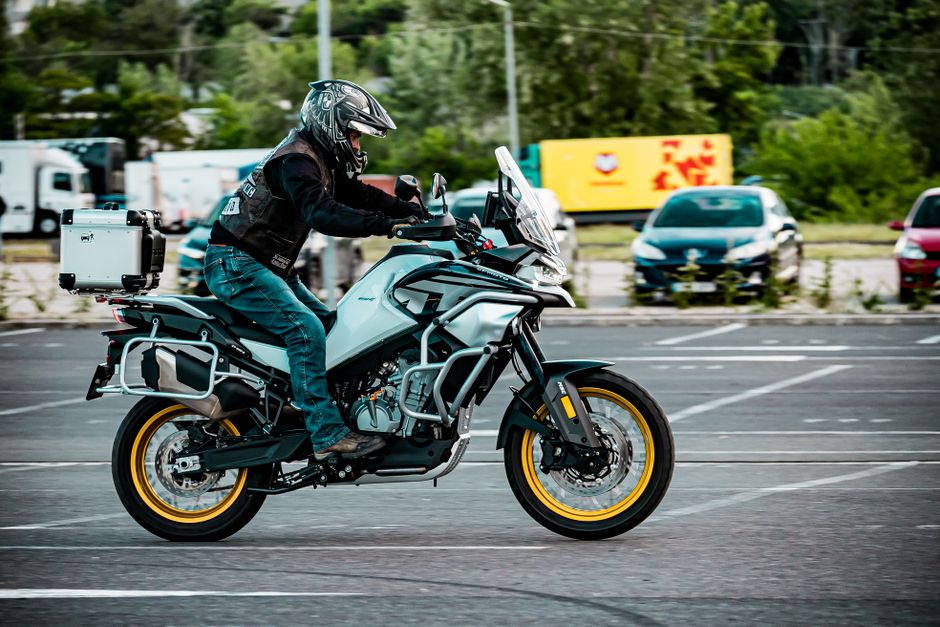
The debate between soft luggage vs hard panniers often starts with weight, and for good reason. Every kilogram you bolt to your motorcycle changes how it accelerates, brakes, and corners. Riders who underestimate this quickly notice the difference at low speeds, where a top-heavy load makes the bike feel sluggish and prone to tipping. Soft luggage typically weighs far less than hard panniers before you even pack a single item. A pair of empty aluminum panniers can weigh 10 to 14 kilograms combined, while equivalent soft bags might come in under 4 kilograms. That is a significant saving before your trip begins.
Weight also affects fatigue over long days. A lighter setup means less effort in parking lots, gravel roads, and when muscling the bike through tight switchbacks. Hard panniers add rigidity and protection, but that comes at the cost of extra mass hanging off the sides. The farther that weight sits from the bike's centerline, the more leverage it exerts. This is why mounting systems matter as much as the luggage itself. Racks and frames for hard boxes add another 3 to 6 kilograms, while soft bag mounting straps or base plates remain minimal.
For 2026 touring, many riders are reconsidering how much they truly need to carry. Ultralight camping gear, compact electronics, and merino wool clothing reduce packed volume dramatically. When your total load shrinks, the penalty of hard luggage becomes harder to justify. Still, some trips demand the structure only hard panniers provide. The key is matching your luggage weight to your riding style, bike size, and terrain.
The Impact of Weight Distribution on Motorcycle Dynamics
Where you place weight matters just as much as how much you carry. Motorcycles respond best when heavy items sit low and close to the bike's center of mass. Hard panniers mount relatively high and wide, raising the center of gravity and increasing the polar moment of inertia. This makes the bike resist leaning into corners and feel heavier during quick direction changes. On a fully loaded adventure bike, this can transform a nimble machine into something that handles like a barge.
Soft luggage, especially saddlebag-style setups, often hugs the bike more tightly. Without rigid frames, the bags sit closer to the rear subframe and slightly lower. This improves agility and reduces the pendulum effect during slow-speed maneuvers. However, soft bags can shift if not strapped securely, creating unpredictable weight transfer mid-corner. A loose bag sliding outward on a bumpy trail is a genuine hazard.
Consider the front-to-rear balance too. Piling everything behind the rear axle lightens the front wheel, reducing traction and stability under braking. Hard panniers encourage overpacking because the space is fixed and tempting to fill. Soft bags compress and bulge, subtly discouraging excess. For technical off-road riding, many experts recommend keeping side luggage as light as possible and placing dense items like tools and water in a tank bag or low-mounted soft tail bag.
Comparing Loaded Weights: Soft vs Hard Setups
A realistic comparison helps clarify the difference. A typical hard pannier setup includes two aluminum boxes, mounting racks, and locking hardware. Empty, this system often weighs 12 to 18 kilograms. Soft saddlebags with heat shields and a dry bag tail pack might weigh only 4 to 7 kilograms empty. That is a 10-kilogram penalty before packing.
Once loaded, the gap narrows because contents usually weigh the same. A week-long camping load might add 25 to 35 kilograms to either system. The hard setup now totals 40 to 50 kilograms, while the soft setup totals 30 to 40 kilograms. That extra 10 kilograms sits high and wide, directly affecting handling.
- Hard panniers: 12–18 kg empty, 40–50 kg loaded
- Soft luggage: 4–7 kg empty, 30–40 kg loaded
- Weight difference: roughly 10 kg, mostly high and wide
For smaller bikes, that difference is enormous. A 650cc single-cylinder adventure bike with 50 kilograms of luggage feels dramatically slower and less stable than the same bike with 40 kilograms. Riders on larger machines notice it less, but fatigue still accumulates over long days. If your priority is spirited riding or technical terrain, soft luggage wins the weight battle decisively.
Durability and Protection: Which Luggage Survives the Long Haul?
Durability means different things depending on where you ride and how often you drop the bike. Hard panniers excel at protecting contents from impacts, crushing, and abrasion. A slow tip-over on rocky ground might dent an aluminum box but leave your camera gear intact. Soft bags absorb less force and transfer more of it to whatever is inside. That said, modern soft luggage uses ballistic nylon, welded seams, and reinforced panels that shrug off years of sun, rain, and trail abuse.
The real question is what you expect to survive. Hard luggage is not invincible. Aluminum boxes crack at mounting points after repeated vibration. Plastic panniers can shatter in cold weather or scrape through on pavement. Soft bags wear through at contact points, zippers fail, and straps fray. Both systems require maintenance and occasional repair. For long-haul touring in remote areas, repairability matters as much as initial toughness.
Many 2026 riders choose hybrid approaches. They use soft bags for lightweight, compressible items and a small hard top case for fragile electronics or camera gear. This balances protection with weight savings. The soft luggage vs hard panniers debate rarely has a single right answer, but understanding failure modes helps you prepare for the journey ahead.
Crash Protection and Impact Resistance
Hard panniers shine in crashes. A rigid box acts as a sacrificial structure, absorbing impact energy and keeping the bike's frame and exhaust off the ground. Adventure riders often view aluminum panniers as crash bars for the rear end. Even a significant drop usually results in cosmetic damage rather than destroyed contents. Plastic panniers flex and return to shape, though extreme cold can make them brittle.
Soft luggage offers less impact protection. A fall onto sharp rocks can puncture a bag and damage what is inside. However, soft bags rarely cause injury to the rider in a crash. Hard boxes with sharp edges and mounting brackets have been linked to leg and ankle injuries. For riders who frequently tackle difficult off-road terrain, the trade-off between gear protection and personal safety deserves careful thought.
Weather Resistance: Keeping Gear Dry in All Conditions
Hard panniers generally seal against rain and dust better than most soft luggage. Rubber gaskets around the lid keep water out even in torrential downpours and deep river crossings. They are not perfectly waterproof forever, as gaskets compress and latches wear, but they start excellent and stay good with maintenance.
Soft luggage varies enormously. Roll-top dry bags are completely waterproof when closed correctly. Many modern saddlebags use welded construction and waterproof zippers. Cheaper soft bags rely on rain covers, which are awkward and eventually soak through. For guaranteed dryness, choose soft luggage with an IPX rating or use internal dry bags inside a non-waterproof shell. This adds a step but provides flexibility.
Long-Term Wear and Tear: Zippers, Seams, and Locks
Zippers are the most common failure point on soft luggage. Dirt, sand, and road grime wear down zipper teeth and sliders. Seams can delaminate after years of UV exposure and flexing. High-quality bags use chunky, corrosion-resistant zippers and bar-tacked stress points, but eventually they fail. The advantage is that soft luggage can often be repaired with a needle, thread, and zip ties in a pinch.
Hard panniers suffer from hinge wear, latch fatigue, and lock corrosion. Dusty environments clog mechanisms. Vibrations crack mounting brackets. Locks seize without regular lubrication. Replacement parts exist for major brands, but in remote areas you may wait weeks for delivery. A broken latch on a hard pannier can render the whole box unusable, while a broken zipper on a soft bag can be bypassed with straps.
Security and Theft Prevention: Keeping Your Belongings Safe
Security is where hard panniers traditionally dominate. A locked aluminum box sends a clear message: this will take time and noise to open. Opportunistic thieves usually move on to easier targets. Soft luggage, by contrast, can be slashed open with a knife in seconds, even when locked. But the reality is more nuanced. Hard panniers are not safes, and a determined thief with a crowbar can pop most latches in under a minute.
The soft luggage vs hard panniers security comparison depends heavily on where you park and how long you leave the bike unattended. In busy urban areas, hard luggage deters casual theft. In remote campsites, both are equally vulnerable because nobody is watching. Many experienced travelers argue that visible security is less about the box and more about behavior. Parking in view, using covers, and never leaving valuables on the bike overnight matter more than the luggage type.
For 2026 touring, integrated security features are improving on both sides. Some hard panniers now include reinforced latch plates and anti-pry lips. Premium soft bags feature lockable zippers, steel cable loops, and slash-resistant fabric layers. Neither is perfect, but combining luggage security with smart habits dramatically reduces risk.
Locking Mechanisms and Built-In Security
Hard panniers typically use keyed locks integrated into the latch mechanism. Many can be keyed alike to match your motorcycle's ignition key, which is convenient. The locks are small and can be picked or forced, but they deter casual theft. Some boxes add stainless steel hasps for padlocks, allowing you to upgrade to a heavy-duty lock. The mounting system itself often locks the box to the bike, preventing someone from walking away with the entire pannier.
Soft luggage security relies on external measures. Most bags have zipper pulls that can be locked together, but a small padlock only stops honest people. Better options include retractable steel cables that thread through bag handles and around the bike frame. Some 2026 models include integrated cable locks and slash-resistant mesh layers. These add weight but provide meaningful deterrence. For maximum security, use a combination of locked zippers, a steel cable, and a motion-sensing alarm disc inside the bag.
Deterrents and Best Practices for Both Types
Regardless of which luggage you choose, behavior is your best security tool. Park in well-lit, high-traffic areas whenever possible. Use a motorcycle cover, which hides your luggage and makes the bike less tempting. Never leave passports, cash, or electronics in panniers overnight. Carry valuables in a small backpack or tank bag that goes with you.
- Park within sight of cafes, hotel windows, or security cameras
- Use a bright cable lock through both panniers and the frame
- Place a small alarm disc inside each bag
- Cover the bike to hide luggage from casual scanning
- Remove tank bags and GPS units every time you walk away
Hard panniers benefit from visible padlocks and anti-pry plates. Soft bags benefit from cable locks and slash-resistant covers. Neither system is theft-proof, but layered deterrents make your bike a less appealing target. In high-risk areas, consider shipping valuables ahead or choosing accommodations with secure parking. The goal is not to make your luggage impenetrable, just more trouble than the next bike over.

Cost Analysis: Budget, Mid-Range, and Premium Options
The debate between soft luggage vs hard panniers often starts with the price tag. Your budget will heavily influence which system makes sense for your 2026 touring plans. Let's break down what you can expect to pay at each tier and where the real value hides.
At first glance, soft luggage appears dramatically cheaper. A full set of quality dry bags and a basic rack can cost less than a single premium aluminum pannier. But the true cost picture includes mounting hardware, durability, and how often you will replace components.
Hard panniers generally come as complete systems with integrated mounting plates. Soft luggage requires a rack, straps, and often additional waterproof liners. Those accessories add up quickly. A budget soft setup might run $150 to $300 all-in, while entry-level hard panniers typically start around $400 to $600 per pair.
Mid-range options narrow the gap considerably. Quality roll-top soft bags from established brands run $300 to $500 per pair, including mounting systems. In the same bracket, you can find polymer or lighter aluminum hard cases for $500 to $800. The choice here comes down to features rather than raw cost.
Premium territory is where hard panniers dominate the price conversation. Top-tier aluminum cases from brands like Touratech or Jesse Luggage can exceed $1,500 per pair. Premium soft luggage rarely crosses $700, even with every accessory. For riders prioritizing budget, soft luggage wins this tier outright.
The real question is not just what you pay today, but what you will pay over three or four seasons of touring. A cheap soft bag that tears on a gravel road costs you time, frustration, and replacement money. A dented aluminum pannier often keeps working fine for years. That durability factor shifts the value equation significantly.
Consider your touring frequency. Weekend riders may never justify premium hard cases. Full-time travelers will wear out budget soft bags within a single season. Match your investment to your mileage.
Another hidden cost is security. Hard panniers lock to the bike and deter casual theft. Soft luggage requires cable locks or removing bags entirely at every stop. If you tour urban areas frequently, that inconvenience carries real value.
Insurance matters too. Hard panniers often survive crashes with cosmetic damage only. Soft luggage can shred in a slide, spilling your gear across the highway. Replacing a full set of camping equipment costs far more than any luggage system.
For 2026, we recommend setting a realistic budget before shopping. Decide whether security, durability, or initial price matters most. Then explore options within that range rather than stretching for features you will never use.
Initial Purchase Price Comparison
Entry-level soft luggage offers unbeatable upfront value. A pair of 30-liter roll-top dry bags costs between $80 and $150. Add a basic rear rack for $100 to $150 and you are touring for under $300. That price point makes motorcycle travel accessible to almost anyone.
Budget hard panniers start around $400 per pair. These are typically polymer or thin aluminum cases with basic mounting racks included. While functional, they often lack the refinement of premium models. Latches may feel flimsy, and mounting systems can rattle on rough roads.
Mid-range soft luggage from brands like Mosko Moto or Enduristan runs $350 to $550 per pair. These include heat shields, robust mounting straps, and better materials. For many riders, this is the sweet spot between cost and capability.
Mid-range hard cases from Givi or SW-Motech cost $600 to $900 per pair. You get better locks, sturdier racks, and more refined aesthetics. These systems often include quick-release mechanisms that make daily use easier.
Premium soft luggage tops out around $700. Premium hard panniers exceed $1,200 and can reach $2,000 with custom colors or special mounting hardware. The gap at the top is enormous and rarely justified for casual riders.
Remember that mounting hardware is usually included with hard panniers but sold separately for soft luggage. Factor this into any comparison. A $300 soft bag set can become $450 once you add racks and straps.
Long-Term Value and Resale Considerations
Hard panniers hold their value remarkably well. Quality aluminum cases from respected brands often resell for 60 to 70 percent of their original price after several seasons. The used market for soft luggage is far less forgiving, with most bags fetching 30 to 40 percent of retail.
Durability drives this difference. A well-maintained aluminum pannier can last a decade or more. Scratches and small dents are considered character, not defects. Soft luggage shows wear through fading, frayed straps, and compromised waterproofing. Buyers hesitate to pay premium prices for gear that might leak.
Repairability also matters. Hard panniers can be straightened, welded, or repainted. Replacement latches and hinges are readily available. Soft luggage repairs are possible but rarely restore full waterproofing. Once a zipper fails or a seam splits, the bag is often finished.
That said, soft luggage offers flexibility that hard cases cannot match. You can move soft bags between bikes easily without buying new mounting hardware. Hard panniers are often bike-specific, requiring new racks when you change motorcycles. That hidden cost erases some resale advantage.
Consider your total cost of ownership over five years. A $600 soft luggage system replaced twice costs $1,800. A $1,200 hard pannier system that lasts the entire period costs less overall. Long-term travelers should think in these terms.
For 2026, we see strong resale demand for premium hard panniers, especially from brands with proven crash protection records. Soft luggage resale remains strongest for waterproof duffel-style bags that work on any bike.
Ultimately, neither system is universally better. Hard panniers reward patient buyers who keep their bikes long-term. Soft luggage suits riders who change motorcycles frequently or tour only occasionally. Your riding habits should dictate where you invest.
Ease of Use and Daily Convenience on Tour
Daily convenience can make or break a long motorcycle tour. The soft luggage vs hard panniers debate is often decided by how each system feels after two weeks on the road. Small frustrations compound when you repeat them every morning and evening.
Hard panniers offer a grab-and-go simplicity that many riders love. Open the lid, toss in your gear, close and lock. The rigid shape keeps everything in place. No compression straps to tighten, no dry bags to fuss with. For riders who pack quickly and move often, this efficiency is priceless.
Soft luggage demands more attention. You must roll closures carefully to maintain waterproofing. Compression straps need adjustment as bags settle. Loose items can shift and create pressure points. The process is not difficult, but it takes longer and requires more focus.
Weather changes highlight another difference. Hard panniers keep contents dry without any special technique. Soft bags require proper rolling and occasional re-treatment with waterproofing spray. In sustained rain, even quality soft luggage can eventually let moisture seep through seams.
Access during the day also differs. Hard panniers open like suitcases, revealing everything at once. This is excellent for finding items quickly but can be awkward in tight parking spaces. Top-opening hard cases solve this but cost more and offer less capacity.
Soft luggage typically opens from the top, like a dry bag. Digging for items at the bottom means unpacking everything above. Some soft systems include side access panels or multiple compartments to address this. Still, organization requires more planning with soft bags.
Security is a daily consideration. Hard panniers lock with a key and stay on the bike. You can leave them unattended for short periods without worry. Soft luggage offers no real security. Even locked straps can be cut with a knife. Many riders remove soft bags entirely at every stop, which becomes tedious.
Weight is another factor. Empty hard panniers add significant mass to your motorcycle. This affects handling and fuel economy. Soft bags weigh almost nothing when empty. For smaller bikes or technical terrain, that weight penalty matters every single day.
Think about your typical touring day. If you cover long distances and unpack only at night, hard panniers shine. If you stop frequently for photos, snacks, or layers, soft luggage's lighter weight and flexibility might feel better.
Both systems work well once you develop routines. The key is matching the system to your travel style rather than fighting it. Test both if possible before committing.
Packing, Access, and Organization
Hard panniers force a certain packing discipline. Their fixed shape means awkward items either fit or they do not. Tent poles, camp chairs, and oddly shaped gear can be frustrating. However, the rigid walls protect fragile items better than any soft bag.
Soft luggage molds to your gear. Oversized or irregular items squeeze in with creative packing. This flexibility is a major advantage for campers carrying bulky sleeping bags or cooking equipment. The trade-off is less protection for delicate electronics or souvenirs.
Organizing gear inside hard cases is straightforward. Many riders use packing cubes or small dry bags to separate clothing, tools, and food. The flat bottom and square corners maximize usable space. Everything stays where you put it.
Soft bags require more thought. Without structure, heavy items sink to the bottom and crush lighter gear. Compression straps help but never fully solve this. You will spend more time repacking soft luggage throughout a trip.
Access patterns differ by design. Side-opening hard cases let you reach gear without removing the bag from the bike. Top-opening soft bags often require unstrapping or unzipping the entire closure. Some premium soft systems include side pockets for frequently used items.
For daily access, hard panniers generally win. Their predictable layout and quick-release lids make grabbing a rain jacket or snack effortless. Soft luggage works fine for overnight stops but becomes tedious when you need constant access throughout the day.
Mounting and Dismounting: Time and Effort
Mounting hard panniers is typically a two-second affair. Slide the case onto its rack, push the latch, and you are done. Removing them is equally quick. This convenience encourages riders to take bags into hotel rooms or secure locations overnight.
Soft luggage mounting takes longer. You must position the bag, thread straps around the rack, and tighten everything securely. A proper job takes five to ten minutes per bag. Rushing leads to loose straps and potential disaster at highway speeds.
Quick-release systems for soft luggage have improved dramatically by 2026. Brands like Mosko Moto offer locking pucks that attach in seconds. However, these systems add cost and still require more effort than most hard pannier mounts.
Weight matters when handling bags off the bike. A loaded hard pannier can weigh 40 pounds or more. Wrestling it onto the mount requires some strength. Soft bags are lighter and easier to lift, though awkward shapes can make them harder to control.
Security during mounting is another consideration. Hard panniers lock to the rack, preventing accidental detachment. Soft luggage relies on straps and buckles that can loosen over rough terrain. Regular checks are essential with soft systems.
For solo travelers, quick mounting matters. Hard panniers allow one-handed operation while balancing the bike. Soft bags often require two hands, making solo mounting more challenging. This is a real consideration for riders who tour alone.
Final Thoughts: Choosing the Right Luggage for Your Touring Style
After exploring costs, convenience, and daily use, the soft luggage vs hard panniers decision comes down to one question: what kind of traveler are you? There is no universal right answer, only the system that fits your riding habits and priorities.
Hard panniers reward riders who value security, durability, and quick daily routines. They make sense for long-distance touring on paved roads, for riders who leave bikes unattended in cities, and for those who keep motorcycles for many years. The higher initial investment pays off through years of reliable service and strong resale value.
Soft luggage appeals to adventurers who prioritize flexibility, light weight, and affordability. It suits off-road riders who need their luggage to flex and absorb impacts, budget-conscious travelers just starting their touring journey, and motorcyclists who change bikes frequently. The lower entry cost lets you begin exploring sooner.
Many experienced riders eventually own both systems. Hard panniers for structured road tours, soft bags for backcountry adventures and day trips. This hybrid approach recognizes that different journeys demand different tools.
Whatever you choose, invest in quality. Cheap luggage fails at the worst possible moment, whether that means a cracked case on a remote highway or a torn bag in a rainstorm. Buy from reputable brands with proven track records. Read reviews from riders who tour in conditions similar to yours.
The best luggage is the one that lets you forget about your gear and focus on the ride. When you stop worrying about whether your clothes will stay dry or your souvenirs will survive, you open yourself to the real joy of motorcycle travel. That freedom, after all, is why we ride.
For 2026, the market offers more choices than ever. Take your time, consider your budget honestly, and choose the system that makes you excited to pack up and go. The road is waiting, and with the right luggage behind you, every mile feels possible.
Gear for this trip
- Waterproof Motorcycle Dry Bag
- Motorcycle Aluminum Panniers
- Motorcycle Tank Bag
- Motorcycle Soft Saddlebags
- Motorcycle Luggage Rack
As an Amazon Associate I earn from qualifying purchases.


No comments:
Post a Comment