
Chengdu: A Slow-Burning Symphony of Spice, Fur, and Steam
Introduction: The City That Breathes
Close your eyes for a moment. Listen. Beneath the hum of a modern metropolis, there's another rhythm, a slower, more ancient pulse. It's the gentle clack of mahjong tiles in a sun-dappled courtyard, the soft slurp of noodles from a thousand street-side bowls, the distant rustle of bamboo in a breeze that carries the earthy scent of damp soil and Sichuan pepper. This is the soundscape of Chengdu, a city that doesn't just exist—it breathes, it savors, it lounges. It's a place where the frenetic energy of 21st-century China meets a profound, almost philosophical, commitment to leisure. You don't simply visit Chengdu; you slip into its tempo, a languid, syrupy pace that will recalibrate your internal clock.
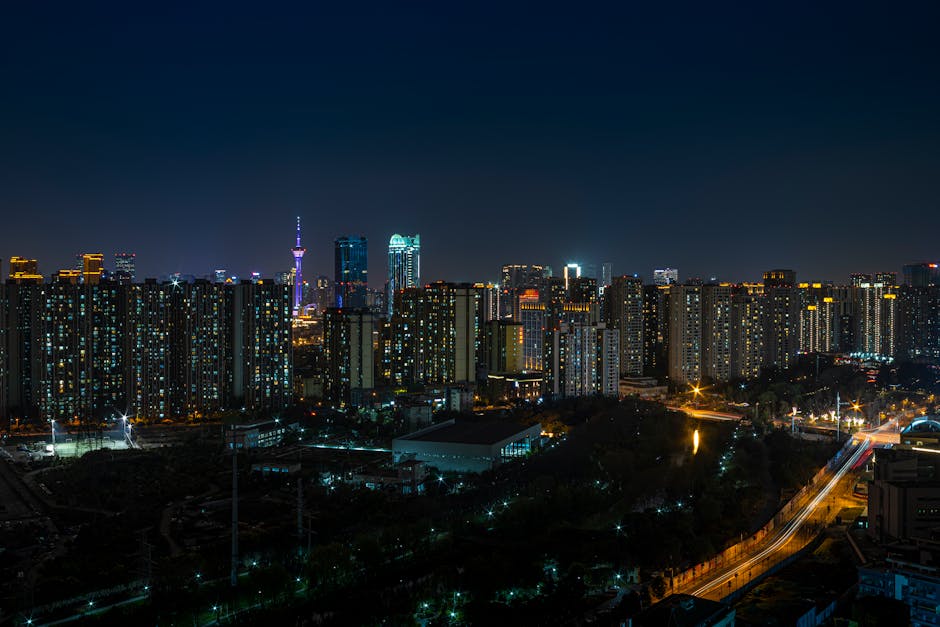
From the moment you step out into its humid, fragrant air, Chengdu envelops you in a sensory paradox. Gleaming skyscrapers pierce a soft, pearl-grey sky, their glass facades reflecting the neon glow of luxury boutiques. Yet, just a shadow away, in the labyrinthine alleys known as hutongs, life unfolds with a theatrical, unhurried grace. Elderly men cradle bamboo birdcages, their song a delicate counterpoint to the sputtering of woks. The air, thick and warm, is a complex perfume: the narcotic sweetness of blooming osmanthus, the sharp, metallic tang of chili oil hitting scorching iron, and the underlying, comforting smell of tea leaves steeping in endless cups.
This is the capital of Sichuan, China's "Heavenly Country," famed for a cuisine that numbs as much as it burns, and the global sanctuary for the giant panda, a creature that embodies the city's own laid-back ethos. But to reduce Chengdu to pandas and hotpot is to miss its soul. Its history is etched in the worn stones of the Wuhou Shrine, whispering tales of the Three Kingdoms. Its spirit is poured, cup by tiny cup, in the thousand teahouses that serve as its living rooms. Chengdu is a city of profound contrasts, where the ancient art of face-changing opera exists alongside cutting-edge tech hubs, all bound together by an unshakeable belief that a good life is a slow life, best enjoyed with friends, flavor, and a perpetually full teacup. Prepare to have your senses awakened, your spice tolerance tested, and your concept of time gently, irrevocably, stretched.
Why Visit Chengdu: More Than a Checklist
Why does Chengdu deserve a place at the top of your travel dreams? Because it offers an experience, not just an itinerary. It's an emotional and sensory journey unlike any other in China. While Beijing impresses with imperial might and Shanghai dazzles with futuristic glamour, Chengdu seduces. It invites you to sit down, to lean in, to become part of its daily rhythm. The city's famous slogan, "Chengdu, the city that makes you don't want to leave," isn't just marketing; it's a genuine sentiment felt by visitors who find themselves hypnotized by its easy charm.
First, there is the undeniable, heart-melting pull of the giant panda. Seeing these black-and-white ambassadors in the flesh, whether clumsily tumbling down a hill or meticulously stripping bamboo, is a moment of pure, unadulterated joy. It's a connection to something gentle and wild, managed within the world-class research facilities of the Chengdu Research Base of Giant Panda Breeding. But the city's magic extends far beyond its furry icons. Chengdu is a living museum of Sichuanese culture. In the historic quarter of Kuanzhai Alley, you can wander through restored Qing dynasty courtyards, their black-tiled roofs and grey brick walls telling silent stories, while the air thrums with the energy of modern craft shops and bustling cafes. It's a seamless blend of past and present.
Ultimately, you come for the atmosphere—the shuhu (comfortable) feeling that locals hold dear. You feel it as you join the locals in People's Park on a Sunday afternoon, surrendering to the skilled hands of an ear cleaner for a surprisingly blissful, tinkling experience. You hear it in the laughter that erupts around a communal hotpot, a culinary ritual of bonding and bravery. You see it in the tranquil concentration of a tea master performing a long-spout pot ceremony, a stream of boiling water arcing through the air with impossible grace. Chengdu doesn't demand you rush from monument to monument; it asks you to participate, to linger, to taste, and to simply be. In a world that glorifies busyness, Chengdu is a masterclass in the art of living well.
When to Visit: Reading the City's Seasons
Chengdu's climate is a study in subtle moods, each season painting the city with a different brushstroke and offering a distinct flavor of experience. Choosing when to go depends on the sensory palette you crave.
Spring (March to May) is arguably Chengdu at its most poetically beautiful. The persistent winter grey lifts, replaced by a soft, hazy light. Temperatures are mild and perfect for wandering. The city's countless parks and the surrounding countryside explode in color—pink peach blossoms, vibrant rapeseed yellow fields, and the delicate white of pear flowers. This is the season for hopeful, gentle exploration, though occasional light rain showers are part of the package, adding a glistening sheen to the ancient rooftops.
Autumn (September to November) is Chengdu's other crown jewel. The humidity retreats, the skies often clear to a pale blue, and the air becomes crisp and invigorating. It's the ideal time for hiking in the nearby Qingcheng Mountains, where Daoist temples peek through a canopy of gold and russet. The comfortable temperatures make outdoor dining and long teahouse sessions an absolute pleasure. This is peak season for a reason, so expect more fellow travelers sharing in the perfect weather.
Summer (June to August) is intense. Chengdu transforms into a steamy, subtropical basin. Heat and humidity hang in the air like a thick blanket, punctuated by torrential, dramatic downpours. Yet, this season has its own fiery charm. The city's vibrant nightlife and street food culture thrive in the balmy evenings. The lush greenery, especially in the panda base, is at its most vibrant, emerald green. Just be prepared to move slowly, seek air conditioning, and embrace the sweat—it's part of the authentic, sultry experience.
Winter (December to February) is damp, chilly, and often shrouded in a famous, persistent mist. The sun is a rare guest. While it rarely snows in the city, the cold seeps into your bones. Yet, this is when Chengdu becomes profoundly cozy. There is no better antidote to the chill than huddling around a bubbling, crimson-red hotpot, the numbing spice of Sichuan pepper warming you from the inside out. The tourist crowds thin, offering a more intimate, contemplative view of the city's historical sites. It's a season for inward journeys and culinary warmth.
How to Get There: Gateways to the Land of Abundance
Reaching the heart of Sichuan is now a seamless journey, thanks to Chengdu's status as a major transportation hub in Western China. Your arrival will likely be a story of modern engineering.
The primary gateway is Chengdu Shuangliu International Airport (CTU), a vast, efficient complex with a growing number of direct international flights from Europe, North America, and across Asia. The newer Tianfu International Airport (TFU), one of the world's largest, has also opened, handling an increasing share of traffic. From either airport, the most convenient way to reach the city center is by taxi or ride-hailing app (like Didi), a journey that takes 30-50 minutes depending on traffic. For a budget-friendly and surprisingly swift option, the metro line connects Shuangliu Airport directly to the city's extensive subway network.
For a truly cinematic approach, consider arriving by high-speed train. China's rail network is a marvel, and gliding into Chengdu East Railway Station after a scenic journey through mountain tunnels and past terraced fields is an experience in itself. Connections from major cities like Beijing (7-8 hours), Shanghai (10-12 hours), and Xi'an (3-4 hours) are frequent and comfortable, offering a ground-level perspective of the changing landscape.
Once within the city, Chengdu's metro system is clean, efficient, and constantly expanding, making it the best way to navigate between districts. For shorter trips, or to reach those hidden alleyway gems, bicycles (both public shared bikes and e-bikes) are ubiquitous and a delightful way to feel the city's pulse. And of course, there are always taxis—just have your destination written in Chinese characters to bridge any language gap. The journey to Chengdu, whether by air or rail, is the first act in a play of contrasts, smoothly transitioning you into its unique, slow-burning world.
Accommodation: From Courtyard Serenity to Cloud-High Luxury
Where you rest your head in Chengdu can define your experience. The city offers a spectrum of stays, each allowing you to live a different chapter of its narrative.
For an immersion into history and tranquility, seek out a renovated courtyard hotel in the Kuanzhai Alley area or near the Wenshu Monastery. These are often hidden behind unassuming doors, which open to reveal serene worlds of their own. Imagine waking to the sound of birdsong in a private courtyard, your room furnished with dark wood and silk, the scent of sandalwood incense in the air. These boutique properties connect you to the city's architectural soul, offering a peaceful refuge from the urban buzz just steps away. They are places where you can sip tea under a ginkgo tree and feel centuries melt away.
If your compass points towards modernity and convenience, the Chunxi Road and Tianfu Square districts are your hubs. Here, gleaming international five-star towers offer staggering panoramic views of the city's ever-evolving skyline. You'll find infinity pools, world-class spas, and restaurants serving everything from exquisite Cantonese dim sum to the very Sichuanese flavors you came for. This is Chengdu as a global player, where the service is impeccable, and the energy is upwardly mobile. It's the perfect base for shoppers and those who want to be at the nexus of the city's metro lines.
For the culturally curious and budget-conscious, the neighborhoods surrounding Jiuyanqiao Bar Street or near Sichuan University pulse with a youthful, creative vibe. Here, you'll find stylish hostels with social courtyards, design-forward budget hotels, and local guesthouses. The streets are lined with indie coffee shops, craft beer bars, and small eateries where students and artists gather. Staying here plugs you directly into the city's contemporary beat, offering a chance to mingle with Chengdu's future while being a short walk or bike ride from its ancient past. No matter your choice, ensure your sanctuary has good air conditioning—it's your ally against the Sichuan summer—and perhaps a window from which you can watch the city's beautiful, unhurried life flow by.
Things to Do: The Chengdu Cadence
To experience Chengdu is to engage in a series of rituals, some adorable, some profound, all deeply sensory. Let your days here unfold not as a checklist, but as a curated sequence of feelings.
Begin in the mist-shrouded bamboo forests of the Chengdu Research Base of Giant Panda Breeding. Go early, as the pandas are most active in the cool morning hours, munching on breakfast bamboo with single-minded dedication. Watch a cub tumble from a wooden platform, evoking a collective "aww" from the hushed crowd. It's a pilgrimage of pure wonder, a reminder of nature's gentle giants. From the realm of the black-and-white, step into the vibrant, chaotic tapestry of Jinli Ancient Street. This reconstructed street, adjacent to the Wuhou Temple, is a sensory carnival. The smell of sizzling snacks—rabbit heads, spicy tofu, sweet rice cakes—guides you through the throng. Red lanterns sway overhead, while artisans demonstrate sugar-blowing and shadow puppet crafting. It's touristy, yes, but it's a vibrant, concentrated dose of Sichuanese street life and craft.
For balance, seek the profound tranquility of Wenshu Monastery. The city's best-preserved Buddhist temple is an oasis of calm. The only sounds are the chanting of monks, the trickle of water in stone basins, and the rustle of prayer flags. In its teahouse, arguably the city's finest, join locals at simple wooden tables. For a few yuan, you're given a thermos of hot water, a bowl of tea leaves, and a cup. Time expands here. You'll watch men play cards, friends gossip for hours, and the world simply pass by. This is the essential Chengdu experience: doing nothing, beautifully.
Delve deeper into history at the Jinsha Site Museum, built over the archaeological excavation that rewrote Chengdu's history. Walking on glass over 3,000-year-old sacrificial pits, gazing at the stunning Sun and Immortal Birds gold foil, you feel the weight of an ancient Shu civilization. It's a humbling, awe-inspiring counterpoint to the city's living culture. As evening falls, you face a choice. For high culture, secure tickets to a Sichuan Opera. The face-changing (bian lian) performance is a breathtaking spectacle—masks change in the blink of an eye, a guarded secret passed down through generations. For contemporary pulse, head to the Jiuyanqiao area, where renovated factory buildings now house chic bars, live music venues, and art galleries. Sip a craft cocktail by the river, the neon lights painting the water in rippling colors, and feel the city's modern, creative heartbeat.
Finally, take a day trip to the Dujiangyan Irrigation System. This is not a mere relic; it's a 2,300-year-old functioning marvel of hydraulic engineering that still tames the Min River. Walking across the swaying Anlan Bridge, feeling the spray from the diverted waters, you witness a project born of brilliant ancient minds that made the "Land of Abundance" possible. It's a testament to human ingenuity in harmony with nature, a perfect metaphor for Chengdu itself.
Food and Drink: A Symphony on the Tongue
To talk about Chengdu is to talk about food. It is the city's love language, its art form, its reason for being. Sichuan cuisine is not merely spicy; it's an orchestration of flavors built on the foundational mala sensation—the numbing (ma) from Sichuan peppercorn and the fiery heat (la) from chili. Dining here is an adventure, a dare, and a deeply communal joy.
The undisputed king is hotpot. You'll know a hotpot restaurant by the aromatic cloud that envelops the block. Inside, you're presented with a cauldron of broth, often split into a mild "white" side and a terrifyingly crimson "red" side, filled with floating chilies and peppercorns. You cook thin slices of meat, tripe, vegetables, and tofu in this bubbling lava, then dip them in a cooling sesame oil and garlic sauce. The experience is social, theatrical, and transformative—your lips will tingle, your brow will glisten, and you'll feel an endorphin rush like no other.
But the culinary landscape is vast. Seek out Mapo Tofu, a deceptively simple dish of silken tofu in a fiery, oily sauce with minced pork and that signature numbing buzz. Try Dan Dan Noodles, a street food staple of wheat noodles dressed in a complex, spicy, peanutty sauce. For the brave, fuqi feipian (husband and wife lung slices) is a cold appetizer of thinly sliced beef offal in a masterful sauce. Visit a local food street like Jiezi Xiang or the area around Chunxi Road after dark. Follow your nose to stalls selling chuan chuan (skewers of anything imaginable, boiled in a communal spicy broth) or sweet, sticky tang you guozi (fried rice balls).
To quench the fire, Chengdu's tea culture is your salvation. Beyond the park teahouses, seek out a traditional tea market to witness the sheer scale of the trade. For something stronger, baijiu, a potent clear grain spirit, is the local firewater, often shared during festive meals. And increasingly, a thriving craft beer scene offers hoppy relief. Remember, eating in Chengdu is a sport for the senses. Don't be afraid to point, to gesture, to smile at the stranger at the next table. Every meal is a story, and every bite is a chapter in your love affair with this city of flavor.
Practical Tips: Navigating the Land of Abundance
A little preparation unlocks Chengdu's treasures smoothly. First, language: While younger people and those in tourism may speak basic English, having a translation app (like Pleco or Google Translate) downloaded for offline use is invaluable. Learn a few key phrases: "má là" (numb-spicy), "xiè xie" (thank you), and "duō shǎo qián?" (how much?).
Money is almost entirely digital. WeChat Pay and Alipay are ubiquitous, used by everyone from five-star hotels to street vendors. Carry some cash as a backup, but expect to link your card to one of these apps. For connectivity, a VPN is essential if you wish to access Google, Instagram, or other Western social media and services. Purchase and install it before you arrive.
Bargaining is expected in markets and for souvenirs, but do it with a smile. In restaurants with displayed prices or in malls, prices are fixed. When using taxis, always ensure the meter is running. Better yet, use the Didi app (China's Uber), which allows you to input your destination in English and pays via the app, eliminating confusion.
Embrace the pace. Service can sometimes feel slow by Western standards, but it's not inefficiency—it's the Chengdu tempo. Breathe, observe, and let go of urgency. Finally, come with a strong stomach and an adventurous palate. The spice level is real, and the ingredients can be unfamiliar. Dive in. The greatest respect you can pay to Chengdu is to eat fearlessly and widely. Your taste buds will thank you, after they recover.
Suggested Itinerary: A Five-Day Chengdu Sonata
Day 1: Arrival & Culinary Immersion
Arrive and settle into your accommodation. As evening falls, dive headfirst into the deep end with your first hotpot experience. Choose a lively local spot, not a hotel restaurant. Let the steam and spice wash over you. Afterward, take a stroll along the Jinjiang River, digesting as you watch the city lights dance on the water.
Day 2: Pandas & Ancient Alleys
An early start for the Panda Base. Spend the morning in quiet awe. In the afternoon, explore the contrasting lanes of Kuanzhai Alleyxiang—the wide, narrow, and well alleys—soaking in the Qing dynasty architecture and modern boutiques. Cap the day with a sophisticated Sichuan dinner at a restaurant like Yu's Family Kitchen (book ahead).
Day 3: History & Theater
Morning at the Jinsha Site Museum, connecting with ancient Shu civilization. After lunch, find peace at Wenshu Monastery. Spend hours in its teahouse, journaling or people-watching. In the evening, experience the magic of Sichuan Opera, including the legendary face-changing act.
Day 4: Engineering Marvel & Local Life
Take a day trip to Dujiangyan. Marvel at the ancient irrigation system and consider a short hike in the surrounding greenery. Return to Chengdu by late afternoon. Visit a local food street for dinner, sampling a variety of street snacks (xiao chi). Experience the local nightlife in the Jiuyanqiao or Lan Kwai Fong areas.
Day 5: Leisure & Departure
Embody the Chengdu spirit. Visit People's Park. Rent a boat on the small lake, try the ear cleaning service, or simply sit in the Heming Teahouse amidst the chatter and mahjong games. Do some last-minute souvenir shopping for chili bean paste or Sichuan peppercorns. Depart with a full heart and a tingling palate.
Conclusion: The Lingering Flavor
Leaving Chengdu, you don't just carry photographs. You carry sensations. The phantom tingle of mala on your lips. The memory of black-and-white fur against bright green bamboo. The sound of porcelain cups meeting wooden tables in a hundred quiet moments. The city's genius lies in its balance—between the ancient and the avant-garde, the frenetic and the fantastically slow, the searing heat of chili and the cool relief of tea.
Chengdu changes you. It teaches you that exploration isn't always about covering ground; sometimes, it's about depth, about sitting in one place long enough to truly see it. It challenges your palate and recalibrates your concept of leisure. You arrive as a tourist, but you leave feeling as if you've been let in on a secret—the secret to a life well-savored. Long after the souvenirs have been put away, the essence of Chengdu remains: a slow-burning warmth in your memory, an invitation to breathe deeper, to taste more bravely, and to always make time for a cup of tea with friends. It is, truly, the city that makes you don't want to leave.
Frequently Asked Questions
Is Chengdu just about pandas and spicy food?
While the giant pandas and the famously numbing-spicy cuisine are its iconic draws, Chengdu offers a far richer tapestry. It's a city of profound history (seen at Jinsha and Wuhou Shrine), deep-rooted tea culture, stunning ancient irrigation engineering at Dujiangyan, vibrant contemporary art scenes in districts like Jiuyanqiao, and a general philosophy of relaxed living (shuhu) that permeates everything. The pandas and hotpot are the glorious entry points to a much deeper cultural experience.
How spicy is the food really? Can I survive if I have a low tolerance?
The food can be extremely spicy and numbing, but survival is not only possible, it's guaranteed. Many restaurants offer "non-spicy" or "slightly spicy" options. Dishes like sweet water noodles (tian shui mian), wonton soup (hong you chao shou can be mild), and various steamed dishes are delicious alternatives. Always communicate "bu la" (not spicy) or "wei la" (a little spicy), and have plenty of rice and milk-based drinks on hand to soothe your palate.
What is the best area to stay in for a first-time visitor?
For a blend of convenience, atmosphere, and access to sights, the areas around Chunxi Road/Tianfu Square (for modern amenities and transport) or near Kuanzhai Alley (for historic charm and walkability) are excellent choices. The Jinjiang River area also offers pleasant scenery and good hotel options. Staying near a major metro line is the key to easy exploration.
Is it easy to get around Chengdu without speaking Chinese?
It's manageable with some preparation. The metro system has clear English signs and announcements. Ride-hailing apps like Didi allow you to input destinations in English. However, in local markets, smaller restaurants, and taxis (without the app), a translation app is essential. Learning a few basic phrases and having your hotel's address written in Chinese will greatly smooth your journey.
Is a day trip to the Leshan Giant Buddha worth it?
Absolutely. The colossal Buddha, carved into a cliff face at the confluence of three rivers, is a UNESCO World Heritage site and a sight of overwhelming scale and serenity. The journey from Chengdu by high-speed train takes about an hour. You can view it from a boat on the river or walk down the steep paths alongside it. It makes for a long but unforgettable day, contrasting beautifully with Chengdu's urban energy.
What should I buy as souvenirs from Chengdu?
Look for food-related items: high-quality Sichuan peppercorns (hua jiao), chili bean paste (doubanjiang), or packaged hotpot base. Panda-themed items are, of course, ubiquitous. For something more traditional, consider Shu embroidery, a delicate and intricate craft, or bamboo ware. A set of beautiful porcelain tea cups from a market is also a lovely, practical reminder of the city's teahouse culture.


No comments:
Post a Comment