Top Summer Destinations in 5 Packing Tips for Southeast Asia Monsoons
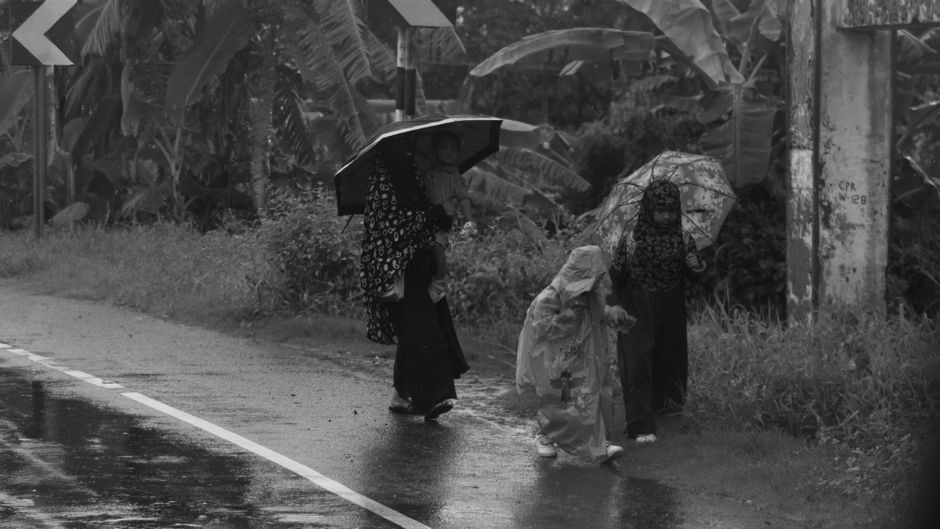
Rain-soaked alley in Hoi An, where the monsoon turns every walk into a splashy negotiation.
☀️ Best months: November–February (dry), but July–October (monsoon) offers fewer tourists and lush landscapes.
💰 Daily budget: $30–50 per person (mid-range, including local food and transport).
⏱️ Ideal trip length: 10–14 days to cover two countries without rushing.
🎯 Difficulty: Moderate – rain needs flexibility, but infrastructure is decent.
🌡️ Avg. temp: 28–32°C (feels hotter with humidity).
👥 Best for: Solo adventurers, couples who don’t mind getting wet, food travelers.
The Essentials at a Glance
- ✅ Quick-dry everything: Merino wool or synthetic shirts save you from being damp all day.
- ✅ Waterproof bag liner: A roll-top dry sack inside your backpack – a flooded bus ride taught me this.
- ✅ Rain jacket with pit zips: Not a poncho (those make you a sail on a scooter).
- ✅ Sandals with good grip: Flip-flops are suicide on wet tile. Tevas or Chacos work.
- ✅ Power bank (20,000 mAh+): Power cuts happen during storms. You will rely on your phone for maps and translation.
The Complete Summer Guide
1. Chiang Mai’s Monsoon Escape
I landed in Chiang Mai in late July. The air was so thick you could chew it. My phone buzzed – flood warnings in the old city. I didn’t care. The wet season turns the northern hills into a botanical riot. The Doi Suthep temple, shrouded in mist, felt like a sacred secret instead of a tourist zoo. Tip: pack a thin, hooded rain jacket. Not a heavy shell – you’ll overheat. I wore a Patagonia Houdini, and it was perfect for the 4 PM downpours that arrive like clockwork. After the rain, the Night Bazaar smells of grilled pork and wet asphalt. Buy a cheap umbrella from the 7-Eleven – it will break in a week, but it costs $2.
2. Ho Chi Minh City’s Wet Season Rhythm
Saigon in July is an experiment in patience. The sidewalks become rivers, and crossing the street is a game of chicken with motorbikes. I hated it at first. I got soaked up to my knees crossing Đồng Khởi Street. Then I discovered the city’s rooftop bars. From the top of the Bitexco Tower, you can watch the lightning crack over the skyline while sipping a $3 Bia Saigon. Tip: bring a waterproof phone pouch. I lost a phone to humidity in my pocket once. Not again. Also, microfibre towel – cheap, dries fast, fits in a daypack. The street food stalls stay open in the rain, just under tarps. Bun bo Hue from a lady on Nguyễn Thái Học – the broth cuts through the damp.
3. Bali’s Surf and Sudden Showers
Bali’s “dry season” is May–September, but by August the southern coast gets occasional squalls. I surfed at Padang Padang with fat raindrops stinging my face. The waves were messy but hollow. After, I sat in a warung on the cliff, dripping saltwater and rain, eating nasi goreng. Tip: pack a rash guard with UV protection and board shorts with a zip pocket. I lost a key card in the sea because my boardies had no closure. Also, biodegradable sunscreen – the reefs are already dying. Don’t be part of the problem. The rain usually lasts 30 minutes, then the sun burns through. Learn to read the clouds.
4. Luang Prabang’s Calm in the Rain
Laos during the monsoon is a meditation. The Mekong swells, and the waterfalls – Kuang Si, Tad Sae – are at their roaring peak. I stayed in a guesthouse with a balcony overlooking the river. Every afternoon at 3 PM the rain started, heavy and rhythmic. Tip: pack a headlamp. Power outages are common in smaller towns. The night market stays open under tarpaulins; buy a handwoven scarf to stay dry. I regretted not bringing a reusuable water bottle with a filter – the tap water is sketchy, and buying plastic bottles adds up. Use a Steripen or Grayl.
5. Penang’s Street Food in Stormy Weather
George Town in August: 90% humidity, sudden tropical storms, and the best street food in Asia. I walked from one hawker center to another, dodging rain under five-foot ledges. Char kway teow, curry mee, apom balik – the rain only makes the spices smell stronger. Tip: pack a foldable daypack that packs into its own pocket. I used an Osprey Ultralight Stuff Pack. It weighs nothing and keeps your valuables dry if you line it with a plastic bag. Don’t bother with a rain cover for your main backpack – just line the whole thing. Penang’s humidity will mold your clothes if you don’t dry them immediately. Use the guesthouse’s fan on full blast overnight.
Summer Traveler's Pro Tips
1. Ride the rain, don’t hide from it. The best experiences happen right after a downpour – empty temples, cool air, smiling locals. In Bangkok, wait 10 minutes after rain stops and grab a bowl of boat noodles at Thong Lor Soi 10.
2. Pay for the “dry bag” upgrade. In Koh Lanta, I booked a cheap ferry that didn’t offer overhead storage. My backpack sat on the deck in the spray. Next time I spent $5 extra for the “VIP” boat with enclosed cabin.
3. Use Grab or Gojek, not taxis. During storms, drivers on apps are honest about price. Street taxis in Ho Chi Minh City will try to triple the fare because of rain. I paid 80,000 VND with Grab vs. the 250,000 VND a guy on the street quoted.
4. Learn the phrase for “rain” in the local language. “Mưa” in Vietnamese, “hujan” in Indonesian. It breaks the ice. A market vendor in Chiang Mai taught me “fon tok” – she laughed when I repeated it, then gave me extra mango sticky rice.
5. Sunscreen every hour – even when it’s cloudy. I got a nasty burn on my neck in Luang Prabang because I thought the overcast meant no UV. The reflection off wet sand and water is brutal. Use SPF 50 and reapply.
Common Summer Travel Mistakes
❌ Wearing cotton. I arrived in Penang in a cotton t-shirt and jeans. Two hours later I was drenched in sweat and rain. Cotton soaks and stays wet. I had to buy a quick-dry shirt at a knockoff market for $5. Itchy, but lifesaving.
❌ Booking a cheap homestay without checking for air-con. In the highlands near Dalat, I thought the breeze would be enough. It wasn’t. The room was a steam bath. Fan-only rooms during monsoon are moldy hell. Always pay $5 extra for air-con dehumidification.
❌ Thinking the rain will ruin your trip. It won’t. It just changes the schedule. Most storms come in the late afternoon (3–5 PM). Plan indoor activities then: museums, cooking classes, massages. The morning sun is usually fine.
❌ Not packing a second pair of shoes. My only sandals broke on day three in Koh Samui. I had to wear plastic slippers from a pharmacy for four days. Your feet will thank you for a backup pair of lightweight closed-toe shoes like trail runners.
Your Summer Travel Checklist
📄 Documents:
- Passport (two photocopies, stored separately)
- Travel insurance printout (covers monsoon-related delays)
- e-Visa confirmations (check for each country – Vietnam requires it)
🔥 Heat Preparation:
- 2 quick-dry shirts (synthetic or merino)
- 1 pair of convertible hiking pants (zip-off legs)
- Wide-brim hat or baseball cap (sweat will blind you)
- Electrolyte powder (add to water – cheap, prevents headaches)
📱 Bookings:
- Flexible accommodation (free cancellation in case of floods)
- Domestic flights booked 2 weeks ahead (prices spike in July)
- Train/bus tickets for overnight travel (avoids daylight humidity)
📂 Offline Apps:
- Google Maps (download offline maps for each city)
- Translate app (download Vietnamese/Thai/Indonesian language packs)
- Grab (works without SIM card on WiFi at cafes)
Traveler FAQ
Q: Is July a bad time to visit Southeast Asia because of monsoon?A: No, July is actually a great time if you embrace the rain. You’ll find lower prices, fewer crowds, and incredibly green landscapes. Just pack smartly and stay flexible.
Q: What is the best rain jacket for Southeast Asia monsoon travel?A: A lightweight, packable shell with pit zips. Something like the Outdoor Research Helium or Montbell Versalite. Avoid heavy Gore-Tex – you’ll overheat. Also, make sure it’s bright colored so you’re visible on scooters in downpours.
Q: Can I still go island hopping during monsoon season?A: Yes, but check the sea conditions daily. In Thailand, the west coast (Andaman Sea) has calm waters November–April, while the east coast (Gulf of Thailand) is better May–October. For example, Koh Samui, Koh Phangan, and Koh Tao have their best weather from June to August despite being in “monsoon” overall.
Q: How do I keep my electronics dry without a fancy camera housing?A: Use a simple zip-lock bag as a primary layer, then put everything inside a roll-top dry bag. For phones, a waterproof pouch with a neck strap costs $5 and lets you take photos in the rain. Pro tip: keep a silica gel packet in your bag to absorb moisture.
Q: What should I do if I get stuck in a flash flood?A: Do not try to walk or drive through moving water that’s above your knees. Seek higher ground immediately. Flash floods in cities like Bangkok’s Pratunam area usually recede within an hour. Have Grab app ready to call a taxi once water drops, or wait it out in a 7-Eleven – they’re everywhere.
Ready for Your Summer Adventure?
I left Luang Prabang with damp clothes and a sunburn on my right arm. But I also left with the memory of standing under a waterfall that was thundering so loud I couldn’t hear my own thoughts. The monsoon doesn’t hide its power – it forces you to slow down, to notice the smell of wet earth, the way a kingfisher shakes off its feathers. Pack your bag light, leave your expectations at home, and let the rain be your guide. You’ll come back with stories that no filter can touch.
💾 Save this guide for later
Bookmark this page or screenshot the checklist. When you’re stuck at 2 AM packing for your flight, these tips will keep you dry and sane. And let us know in the comments – what was your wildest monsoon moment? Did you lose a sandal in a mudslide? Eat the best curry during a typhoon? Share it all below. We read every reply.


No comments:
Post a Comment