Hostel vs Guesthouse: Which Is Cheaper in Southeast Asia?
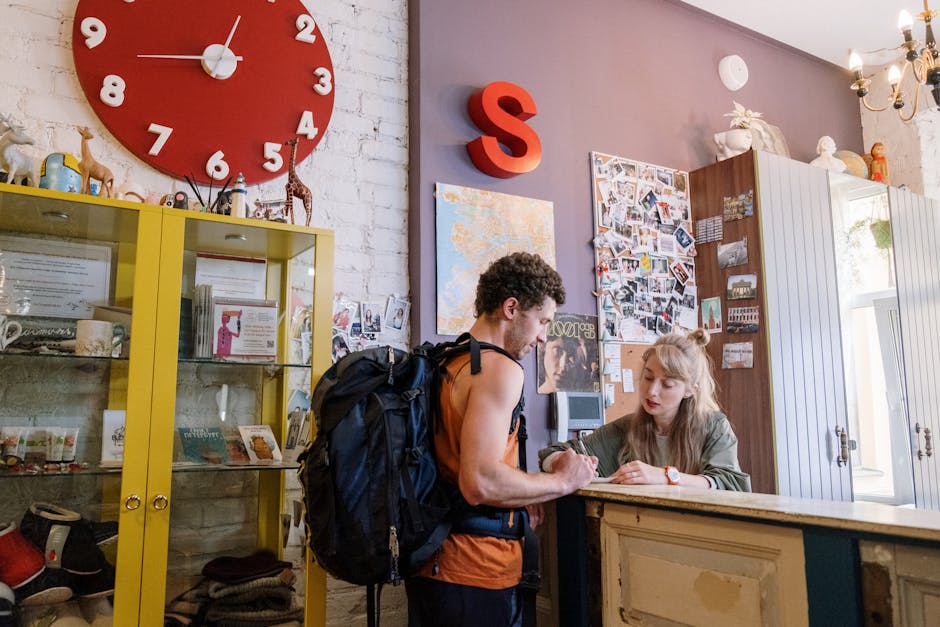
A quiet guesthouse lane in Chiang Mai — cheap, but worth the walk from the party strip? Photo: Pexels.
💰 Daily budget: $22–$30 (hostel) / $25–$35 (guesthouse)
🛏️ Cheapest dorm bed: $4 (Chiang Mai, May 2024)
🚌 Local transport: $0.50–$2 per day
⏱️ Ideal trip length: 3–6 weeks for real savings to stack
🎒 Best for: Solo travelers who want social spaces vs. couples craving privacy
I remember standing in the sticky heat of Bangkok’s Khao San Road, a 300-baht guesthouse key in one hand and a 150-baht hostel dorm card in the other. Both were clean. Both had WiFi. But one came with a shared bathroom and a rooftop bar blasting reggae until 2 a.m.; the other offered a double bed, a ceiling fan, and the sound of motorbikes clattering past my window at dawn. Which was cheaper? Depends on how you count.
After six months bouncing between hostels and guesthouses in Thailand, Vietnam, Cambodia, and Laos, I’ve learned that the sticker price on Booking.com tells only half the story. This article breaks down the real costs — accommodation, food, transport, hidden fees — and weighs them against the experience you get. No fluff, just the baht-and-dong math I wish someone had shown me before I packed my backpack.
The Essentials at a Glance
- 🧳 Hostels win on social value — you trade silence for connections.
- 🏡 Guesthouses often include breakfast or a kitchenette, shaving $2–$4 off your food spend.
- 📶 WiFi is free everywhere, but guesthouse routers are usually weaker in older buildings.
- 🚿 Hot water is not guaranteed under $10 — check before you book.
- 🛏️ Private rooms in guesthouses can undercut a 4-bed hostel dorm when split between two people.
Hostel vs Guesthouse: The Real Cost Breakdown
Accommodation: Where Your Baht Goes Farthest
In Chiang Mai’s Old City, a dorm bed at a well-rated hostel like Green Tiger or Stamps Backpackers costs 150–200 baht ($4–$6) per night. A private room with shared bathroom in a guesthouse two blocks away — say, P. Guesthouse on Moon Muang Road — runs 350 baht ($10). Already the hostel looks cheaper. But if you’re two people, that private room becomes 175 baht per person. Suddenly the guesthouse wins.
In Hanoi’s Old Quarter, the gap narrows. Hostel dorms hover around $7–$9; private guesthouse rooms start at $12. But many guesthouses include a simple breakfast — eggs, baguette, coffee — which saves you $2–$3. Over a week, that’s real money.
I once stayed in a guesthouse in Hoi An for $8 per night (double room, fan only). The cheapest dorm in the same area was $6. I had my own space, a fridge, and a balcony overlooking the Thu Bon River. The hostel crowd was fun, but I slept deeper. Cost per night: $2 more. Cost per quality of sleep: priceless.
Food: Kitchen Access vs. Street Stalls
Hostels in Southeast Asia rarely offer a guest kitchen — they want you eating out or buying their $1 instant noodles. Guesthouses, especially family-run ones in Cambodia and Laos, often let you use a shared stove. I cooked pasta in Siem Reap for $0.50 one night; the same meal at a restaurant would have been $3. Over 10 nights, that’s a $25 saving.
But street food is cheap everywhere. A pad thai in Bangkok costs 40 baht ($1.10). A bowl of pho in Hanoi: 30,000 dong ($1.25). When you eat local, the kitchen advantage shrinks. The real edge comes when you want breakfast without leaving your room — guesthouse hosts sometimes bring you fresh fruit and coffee for a few extra baht.
My rule: If the guesthouse is more than $3 per night above the hostel, the breakfast isn’t worth it. If it’s $2 or less, take the private room and enjoy the quiet.
Transport: Location, Location, Location
Hostels cluster around tourist hubs — Khao San Road, Bangkok’s backpacker ghetto; Pham Ngu Lao in Saigon; Pub Street in Siem Reap. Guesthouses are more scattered; many are tucked into residential lanes where transport is less frequent.
Staying on Khao San means you can walk to bars, markets, and bus stops. A guesthouse in Banglamphu (the neighborhood just north) might be 10 minutes on foot — but you’ll pay $2 for a tuk-tuk if you’re lazy. That adds up. In Chiang Mai, the Old City is walkable either way. But if you choose a guesthouse outside the moat (e.g., near the Night Bazaar), you’ll need songthaews at 20 baht per ride. Over a week, that’s 140 baht ($4) you wouldn’t spend if you dormed in the Old City.
Verdict: Factor in transport costs when comparing prices. A $8 guesthouse that’s a 30-minute walk from everything might really cost you $10 when you add daily transport.
Hidden Costs: WiFi, Laundry, and Water
Hostels almost always have free WiFi that works in common areas. Guesthouses in older buildings can have spotty signals — I once had to sit on the bathroom floor in a guesthouse in Luang Prabang to get a signal. Not ideal if you’re working remotely.
Laundry: Both options charge roughly $1–$2 per kilo. But hostels often have a self-service machine; guesthouses usually send it out, meaning longer turnaround. Water: Hostels often provide refill stations for 2–5 baht per liter; guesthouses may sell bottles at market price ($0.30). Not a game-changer, but it adds a penny here and there.
Security deposits: Some guesthouses ask for a $10 cash deposit for the room key. Hostels rarely do. That’s $10 you can’t spend while it’s held. Small, but real.
The Bottom Line: Total Weekly Budget
Let’s compare a 7-day stay in Chiang Mai, solo traveler, eating street food, using public transport, doing one paid activity (e.g., temple entrance + cooking class). Numbers are based on actual prices I paid in May 2024.
| Item | Hostel (dorm) | Guesthouse (private) |
|---|---|---|
| Accommodation (7 nights) | $35 (avg $5/night) | $63 (avg $9/night) |
| Food (street food + one market dinner) | $49 ($7/day) | $42 ($6/day, thanks to guesthouse breakfast) |
| Transport (songthaews + 1 tuk-tuk) | $7 | $14 (farther from markets) |
| Activity (Doi Suthep + cooking class) | $25 | $25 |
| Laundry + water + misc. | $8 | $10 |
| Total (7 days) | $124 | $154 |
The guesthouse costs $30 more over a week. But if you split that private room with a friend, it drops to $108 per person — cheaper than the hostel dorm. The math flips depending on your travel style.
Backpacker Tip: I once stayed in a guesthouse in Bangkok’s Soi Rambuttri for 280 baht ($8) — fan room, shared bathroom, included toast and jam breakfast. The nearby hostel wanted 250 baht for a dorm. The guesthouse gave me a quiet night, a real bed, and breakfast. That $0.80 difference was the best value in the city. Always check what’s included before you click “book.”
Money-Saving Tips
- Book direct when possible. Many guesthouses offer 10–20% off if you call or walk in. I saved $7 on a 3-night stay in Luang Prabang by ignoring Booking.com and knocking on the door.
- Negotiate long stays. If you’re staying a week or more, ask for a weekly rate. In Siem Reap, I got a guesthouse room for $5/night instead of $7 by paying up front for 7 nights. Hostels rarely negotiate; guesthouses almost always do.
- Eat where the guesthouse owner eats. Ask your host for their favorite local joint — it’s almost always cheaper and better than the tourist menu on the main street. I ate a $0.80 bowl of khao soi in Chiang Mai that way.
- Use hostel common areas even if you sleep in a guesthouse. Need to meet people? Walk into the nearest hostel, buy a $1 beer, and hang out. No one checks your wristband. You get the social vibe without paying for the dorm.
- Carry a reusable bottle and a towel. Hostels often charge $0.50 for towel rental; guesthouses usually provide one free. But if you bring your own, you avoid both fees. Also, many hostels have filtered water — fill up before heading to your guesthouse.
Common Mistakes to Avoid
- ❌ Booking based only on price. The cheapest hostel may be a 16-bed bunk with no lockers. The cheapest guesthouse might be a windowless box with mold. Read recent reviews — specifically about cleanliness and safety.
- ❌ Assuming a guesthouse is always quieter. I’ve stayed in guesthouses next to karaoke bars and hostels tucked in silent alleys. Check the map for nearby entertainment venues.
- ❌ Forgetting to check luggage storage. Many hostels let you leave your bag free after checkout; guesthouses sometimes charge $1–$2. If you have a late flight, that eats into your savings.
- ❌ Not factoring in seasonality. In high season (November–February), both hostels and guesthouses raise prices. Book ahead or travel in shoulder months (March, October) for the best deals.
Quick Checklist
Documents & Money: Passport (with copies), cash in local currency, a backup credit card, a photocopy of your visa.
Packing: Earplugs (hostels), sleep mask, padlock (for hostel lockers), quick-dry towel, reusable water bottle.
Bookings: Compare 3 sites (Booking.com, Hostelworld, Agoda) before committing; call guesthouses directly for unpublished rates.
Apps & Currency: Grab (for transport), Maps.me (offline maps), XE Currency (for rates). Carry small bills — many guesthouses can’t break $50 notes.
Safety: Check that guesthouse doors have deadbolts; in hostels, keep valuables in the locker (bring your own lock). Trust your gut — if the neighborhood feels sketchy at night, pay $2 more for a better location.
FAQ
Q: Are guesthouses always cheaper than hostels?
A: Not always. Guesthouse private rooms are usually more expensive than dorm beds, but can be cheaper for two people sharing. In many Southeast Asian cities, a double room in a guesthouse costs roughly the same as two hostel dorm beds — sometimes less.
Q: Do hostels or guesthouses include breakfast in Southeast Asia?
A: Guesthouses often include a basic breakfast (toast, eggs, coffee), while hostels rarely do. If breakfast is important, a guesthouse that costs $2 more per night can actually save you $3–$5 on food.
Q: Which is safer for solo female travelers?
A: Both can be safe, but hostels offer more social proof (staff visible, common areas, other travelers). Guesthouses may require walking through quiet streets alone. Read recent solo female reviews and check the lock on your door.
Q: Can I get a private room in a hostel cheaper than a guesthouse?
A: Sometimes. Hostel private rooms in popular areas (Khao San Road, Bangkok’s backpacker district) often cost $15–$20, while a guesthouse two blocks away might be $10. Always compare — hostels charge a premium for location and amenities like a bar or pool.
Q: Which option is better for digital nomads?
A: Hostels typically have fast WiFi in common areas and co-working vibes. Guesthouses may have weaker connections, but often offer quieter workspaces in your room. If you need reliable internet, check recent reviews for both — or bring a portable hotspot.
Final Thoughts
There’s no universal winner in the hostel-versus-guesthouse debate. Your choice depends on your travel style, budget, and who you’re traveling with. I’ve spent amazing nights in both: a dorm where I met my best travel buddy, a guesthouse where I finally slept through the night after a week of snoring bunkmates. The key is to do the math before you arrive — not just on price, but on what you value.
If you’re a solo backpacker who thrives on social energy and wants to stretch every dollar, hostels are your home. If you need privacy, sleep early, or split costs with a partner, guesthouses offer better per-person value with more comfort. Whichever you choose, ask the right questions, read the recent reviews, and never assume the cheapest option saves the most. Sometimes the real savings come from spending a bit more for a good night’s sleep or a free breakfast that keeps you going for a day of exploring.
Save this guide — bookmark it, share it with a friend planning a trip, or screenshot the cost table for your next booking. Got a favorite hostel or guesthouse story? Drop it in the comments below. Safe travels, and may your dorms always be quiet and your private rooms always have hot water.


No comments:
Post a Comment