Hostel vs Guesthouse: Which Is Cheaper in Southeast Asia?
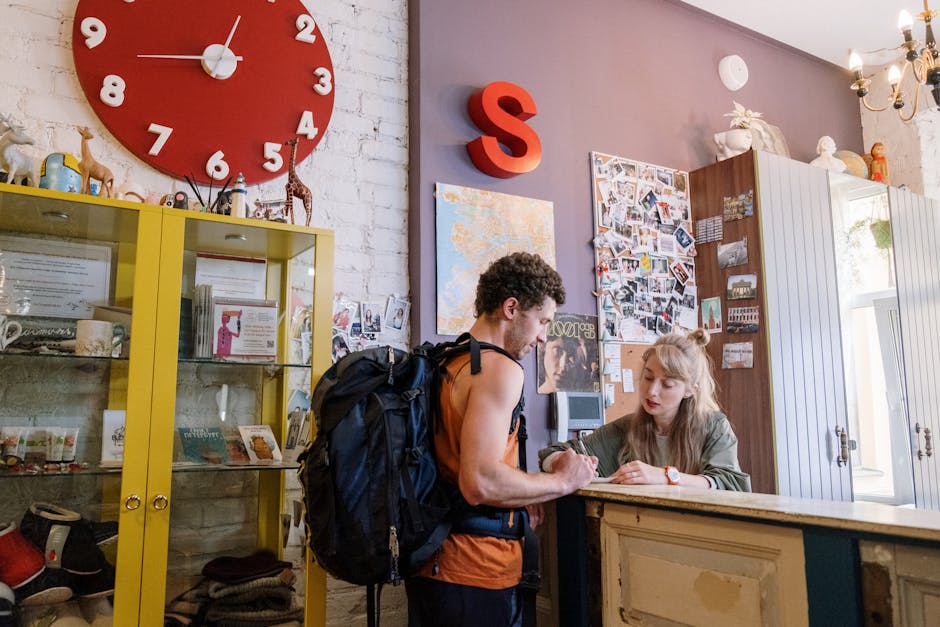
A quiet guesthouse balcony in Chiang Mai's old city — or a packed dorm in Bangkok's Khao San Road? The real savings might surprise you.
🛏️ Cheapest hostel price: $6–10 (dorm bed)
🛏️ Cheapest guesthouse price: $10–18 (private room)
🚌 Transport cost: $1–3 per city ride; $15–30 for overnight buses
⏱️ Ideal trip length: 3–4 weeks for sampling both options
🎒 Best for: Solo social butterflies (hostels) vs. couples / digital nomads needing quiet (guesthouses)
I remember the exact moment I started questioning the hostel gospel. It was my third week in Southeast Asia, and I was sprawled on a thin mattress in a Chiang Mai guesthouse, ceiling fan whirring, the scent of jasmine drifting up from the garden below. Across the alley, my hostel-bound friend was paying the same nightly rate for a squeaky bunk in an eight-bed dorm with a broken locker. That night, after a 50-baht pad thai and a 60-baht Chang beer on the guesthouse patio, I crunched the numbers. The difference in comfort? Enormous. The difference in cost? Almost zero. This article isn't about declaring a winner — it's about showing you, down to the dollar, when a guesthouse beats a hostel and when the hostel rowdiness is worth every baht.
The Essentials at a Glance
- 🏠 Hostels — $6–15/night for dorms, free Wi-Fi, communal kitchens, but expect shared bathrooms and possible 3 AM snorers.
- 🏡 Guesthouses — $10–25/night for private rooms, often with en-suite bathroom, quiet after 10 PM, sometimes fan-only.
- 💸 Hidden extras — Hostels charge for towel rental ($1), lockers ($2), and activities. Guesthouses bundle breakfast or include bike rental.
- 🌍 Location — Hostels cluster in party zones (Khao San, Bangkok; Riverside, Siem Reap). Guesthouses are in quieter alleys, nearer to local markets.
- 🤝 Social factor — Hostels force interaction; guesthouses offer peace — choose based on your travel style, not just the sticker price.
The Real Cost Breakdown
Let's get granular. I tracked every dollar for two weeks in northern Thailand and Vietnam — alternating between hostels and guesthouses — to see where the budget really goes. Prices are in USD and reflect average spending for a solo budget traveler.
Accommodation
In Chiang Mai, I paid $7 for a 6-bed dorm at Stamps Backpackers (pool, free breakfast, but lockers were $2 extra). Three blocks away, Green Tiger Guesthouse gave me a fan double room for $14 — private shower, free tea, silent after 9 PM, and a rooftop with a view of Doi Suthep. That's a $7 difference per night. In Hoi An, a dorm at Sunflower Hostel cost $8 with included breakfast; a guesthouse room at Hoi An Garden was $12. In Hanoi's Old Quarter, the gap narrowed: hostel dorms $6–8, guesthouse privates $10–15. The pattern? Guesthouses are only slightly more expensive in tourist-heavy areas — and you get a whole room to yourself.
Food & Drink
Hostels often have community kitchens where I saved $2–3 per meal cooking rice and eggs. But in practice, most backpackers eat street food anyway. A bowl of pho in Hanoi costs $1.50 everywhere. Guesthouses with attached restaurants sometimes charge a 20% premium for convenience — I paid $2 for an omelette at a guesthouse when the same thing was $1.50 two streets away. My advice: walk three blocks. The real food budget doesn't change between accommodation types if you eat where locals eat.
Transport
Both hostels and guesthouses help arrange transport, but guesthouses usually add a $1–2 “convenience fee.” In Luang Prabang, my guesthouse quoted $15 for a minivan to Vang Vieng; the hostel next door offered it for $13. I haggled the guesthouse down to $14 by mentioning the hostel price. Always compare. For in-city moves, both are within walking distance of main sights, so transport cost is identical (or zero).
Activities
Hostels run their own tours — often cheaper than street agencies because they buy in bulk. A cooking class in Chiang Mai: hostel booking $18, guesthouse front desk $22. But guesthouses can be more flexible; the owner once told me to skip the overpriced kayaking and gave me a free map for a hike. The social value of hostels — meeting people to split a day trip — can save you $5–10 per activity. However, guesthouses offer quiet to do your own research and book directly, avoiding markup.
Total Weekly Comparison
| Category | Hostel (per week) | Guesthouse (per week) |
|---|---|---|
| Accommodation (7 nights) | $49 | $98 |
| Food & drink | $42 | $42 |
| Transport (local) | $14 | $14 |
| Activities & misc | $35 | $40 |
| Total | $140 | $194 |
That's a $54 difference per week — $54 that buys you a private room, a quiet sleep, and often a better location. For many, that's a bargain. For others, that's two nights of partying. Your call.
Backpacker Tip: In Vietnam, always ask for the “walk-in rate” at guesthouses. I once got a $12 room for $8 just by showing up at 2 PM — the owner preferred a low price over an empty bed. Hostels rarely negotiate. Guesthouses often will.
Money-Saving Tips
You don't have to pick one or the other. Mix and match. Here's how to stretch your Southeast Asia budget without sacrificing sanity.
- Book dorms for party cities, privates for quiet towns: In Bangkok, hostel dorms at Nap Park cost $7 and put you two minutes from Khao San. In Hoi An, pay $12 for a guesthouse with a pool — you'll thank yourself after a day of cycling in 35°C heat.
- Use dorm loyalty apps: Hostelworld discounts for repeat bookings can knock off 10–15%. Even better, some guesthouses list on Booking.com with “secret deals” that undercut walk-in prices by $2–3.
- Share the room: If you're two people, a guesthouse private is almost always cheaper than two dorm beds. At $7 per dorm bed (two people = $14) vs. a $15 double, the guesthouse wins — and you have privacy.
- Negotiate weekly rates: Almost all guesthouses in Thailand and Vietnam will give a 10–20% discount if you commit to staying 3+ nights. I got a $14 room down to $11 in Chiang Mai just by asking.
- Pack a towel and earplugs: Hostels charge $1–2 for towel rental. Guesthouses usually provide one free. Earplugs cost $0.50 at any pharmacy and save you from a sleepless night in a thin-walled guesthouse (or a snoring dorm).
Common Mistakes to Avoid
- 🚫 Assuming guesthouses are always quieter. Some guesthouses put a bar on the ground floor. I stayed at one in Phnom Penh that turned into a karaoke lounge until 1 AM. Read recent reviews — filter by “quiet” and “noise.”
- 🚫 Booking hostels for the social life and then never leaving your bed. The real opportunity cost is time: if you're in a dorm, you're likely to stay out late and oversleep. Guesthouses let you wake up fresh and start exploring earlier.
- 🚫 Not checking if Wi-Fi works at guesthouses. I walked into a gorgeous $10 private in Siem Reap that had no Wi-Fi signal in the room. Hostels usually invest in good Wi-Fi; guesthouses often rely on a single router in the lobby. Ask before you pay.
- 🚫 Overpacking because you think guesthouses have unlimited space. Most guesthouse rooms are small — 10–12 m². The same size as a hostel dorm, but you have it to yourself. Still, keep your pack under 10 kg or you'll be tripping over it.
💡 Save this guide: Bookmark this page or take a screenshot. I've spent three years refining these strategies — they'll save you at least $50–100 over two weeks in Southeast Asia. Share it with someone who's planning their first trip.
Quick Checklist
Documents: passport + copies (digital & paper), travel insurance (World Nomads is $50/month), visa-on-arrival cash (e.g., $35 for Vietnam).
Packing: microfiber towel (dorm essential), earplugs, padlock (for hostel lockers), sarong (guesthouse towel alternative), universal sink plug (for hand-wash in guesthouse).
Bookings: first 2 nights in advance (Hostelworld or Agoda), then walk-in if you want to negotiate. Always check cancellation policy.
Apps/Currency: grab (for taxis), maps.me (offline maps), splitwise (for group costs), cash in small denominations ($1–5). Guesthouses often have no card machine.
Safety: headlamp for reading in dorms, water purifier bottle (Grayl – $35, saves $100 on bottled water in 2 months), photocopy of passport left in guesthouse safe.
FAQ
Q: Can I find a private room cheaper than a dorm?A: Only if you're two people sharing the private. Solo, dorms are almost always cheaper — but the gap can be as little as $4 in budget cities like Chiang Mai or Hoi An.
Q: Which is better for a solo female traveler?A: Both have pros. Hostels have staff who enforce quiet hours and often have female-only dorms. Guesthouses offer a locked door, but I recommend checking recent reviews for safety concerns. Many solo women prefer guesthouses for the private en-suite.
Q: Do guesthouses provide toiletries?A: Some guesthouses give a small bar of soap and a roll of toilet paper. Hostels almost never do. Bring your own shampoo and conditioner — guesthouses may not have hot water consistently.
Q: Is it cheaper to book hostels/guesthouses online or walk in?A: For hostels, online is usually cheaper (10–15% booking fee, but you get member discounts). For guesthouses, walking in and negotiating is king — I've gotten $8 off by showing up at noon and offering to pay in cash.
Q: Which type has better Wi-Fi?A: In general, hostels invest in robust Wi-Fi because guests need to work and stream. Guesthouses often have a single router; signal drops in rooms far from the lobby. Check reviews, and if you're a digital nomad, choose hostels with a co-working space.
Final Thoughts
The cheapest option isn't always the dorm. If you value sleep, space, and a private bathroom, a guesthouse will often cost only $5–10 more per night — and you'll save on mental energy and stress. And if you're on a razor-thin budget, stick to hostels but pick them wisely: avoid the party dorms unless you plan to party. I've slept in both for months, and I've learned that $7 in a quiet guesthouse (yes, they exist) beats $6 in a loud, hot dorm every time. So crunch your own numbers, read the reviews, and choose based on your rhythm, not just the dollar sign. Happy trails.
Did this help? Bookmark it, share it, or drop a comment with your own guesthouse vs. hostel experience — I'd love to hear what works for you.